-
×
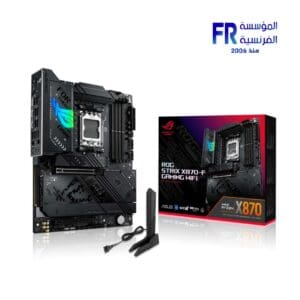 Asus Rog Strix X870 F Gaming Wifi Motherboard
1 × 22800 جنية
Asus Rog Strix X870 F Gaming Wifi Motherboard
1 × 22800 جنية -
×
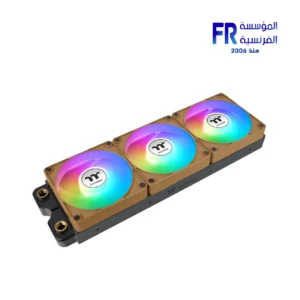
 Thermaltake CT120 EX ARGB Sync Gravel Sand PC Cooling 3 Fan
1 × 2599 جنية
Thermaltake CT120 EX ARGB Sync Gravel Sand PC Cooling 3 Fan
1 × 2599 جنية -
×
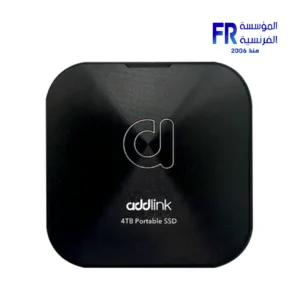 Addlink P30 1TB 4000MB/s USB 4.0 Type-C Magnetic Portable External SSD
1 × 6600 جنية
Addlink P30 1TB 4000MB/s USB 4.0 Type-C Magnetic Portable External SSD
1 × 6600 جنية -
×
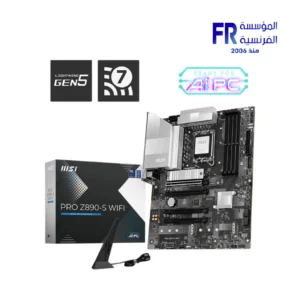 MSI PRO Z890 S WIFI Motherboard
1 × 12900 جنية
MSI PRO Z890 S WIFI Motherboard
1 × 12900 جنية -
×
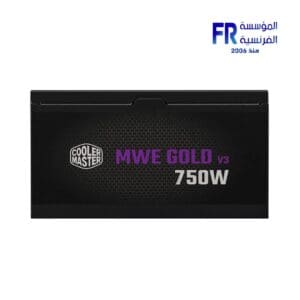 Cooler Master MWE Gold V3 750W 80 PLUS Gold Fully Modular ATX 3.1 PCIe 5.1 Power Supply
1 × 4999 جنية
Cooler Master MWE Gold V3 750W 80 PLUS Gold Fully Modular ATX 3.1 PCIe 5.1 Power Supply
1 × 4999 جنية -
×
 Xigmatek Fury GD 850W 80+ Gold ATX 3.1 Full Modular Power Supply
1 × 4799 جنية
Xigmatek Fury GD 850W 80+ Gold ATX 3.1 Full Modular Power Supply
1 × 4799 جنية -
×
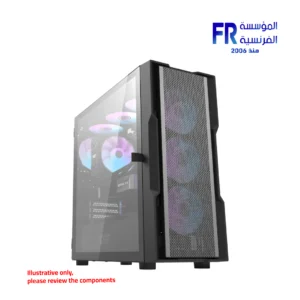 DarkFlash DK431 Mesh TG With 4 CL6 ARGB Fans With GP750 750W 80 Plus Bronze PSU Black Full Tower Gaming Case
1 × 3900 جنية
DarkFlash DK431 Mesh TG With 4 CL6 ARGB Fans With GP750 750W 80 Plus Bronze PSU Black Full Tower Gaming Case
1 × 3900 جنية -
×
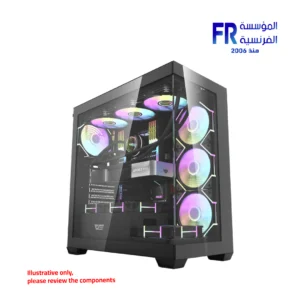 DarkFlash DS900 Panoramic TG With 4 DM20 ARGB Fans With GP750 750W 80 Plus Bronze With APC1 Controller Black Mid Tower Gaming Case
1 × 4500 جنية
DarkFlash DS900 Panoramic TG With 4 DM20 ARGB Fans With GP750 750W 80 Plus Bronze With APC1 Controller Black Mid Tower Gaming Case
1 × 4500 جنية -
×
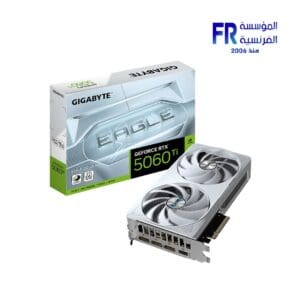 Gigabyte GeForce RTX 5060 Ti Eagle OC Ice 8Gb GDDR7 Graphic Card
1 × 23750 جنية
Gigabyte GeForce RTX 5060 Ti Eagle OC Ice 8Gb GDDR7 Graphic Card
1 × 23750 جنية -
×
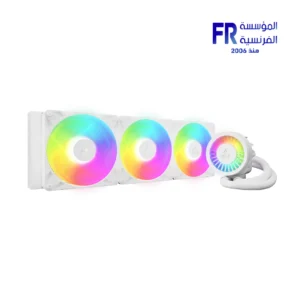 Arctic Liquid Freezer III Pro 420 ARGB White AIO Liquid CPU Cooler
1 × 6900 جنية
Arctic Liquid Freezer III Pro 420 ARGB White AIO Liquid CPU Cooler
1 × 6900 جنية -
×
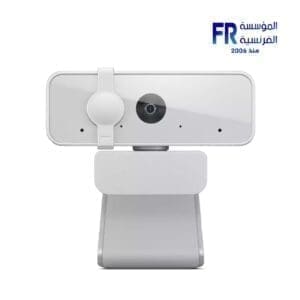 Lenovo 300 Cloud Grey WebCam
1 × 2999 جنية
Lenovo 300 Cloud Grey WebCam
1 × 2999 جنية -
×
 Lenovo Legion X Large Gaming Mouse Pad
1 × 849 جنية
Lenovo Legion X Large Gaming Mouse Pad
1 × 849 جنية -
×
 Thermal Grizzly KryoSheet 25x25 Thermal Pad
1 × 875 جنية
Thermal Grizzly KryoSheet 25x25 Thermal Pad
1 × 875 جنية -
×
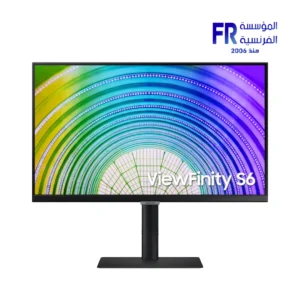 Samsung S60A S24A600UCM 24 Inch 75Hz 5ms QHD IPS Flat HDR10 FreeSync USB-C 65W Intelligent Eye Care Black Monitor
1 × 9999 جنية
Samsung S60A S24A600UCM 24 Inch 75Hz 5ms QHD IPS Flat HDR10 FreeSync USB-C 65W Intelligent Eye Care Black Monitor
1 × 9999 جنية -
×
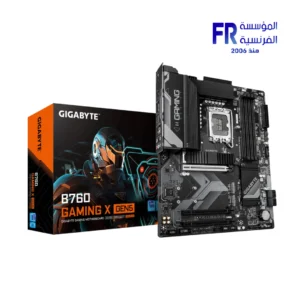 Gigabyte B760 Gaming X Gen5 Motherboard
1 × 7800 جنية
Gigabyte B760 Gaming X Gen5 Motherboard
1 × 7800 جنية -
×
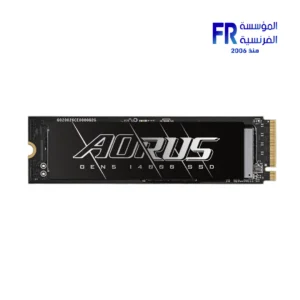 Gigabyte Aorus Gen5 14000 2TB M.2 PCIe Gen5 NVMe Internal Solid State Drive SSD
1 × 16799 جنية
Gigabyte Aorus Gen5 14000 2TB M.2 PCIe Gen5 NVMe Internal Solid State Drive SSD
1 × 16799 جنية -
×
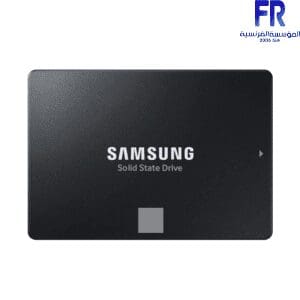 Samsung 870 Evo 4Tb Internal Solid State Drive SSD
1 × 18600 جنية
Samsung 870 Evo 4Tb Internal Solid State Drive SSD
1 × 18600 جنية -
×
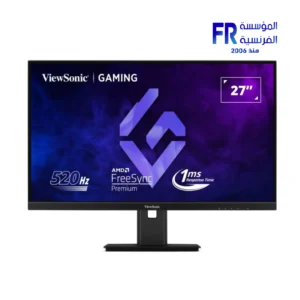 ViewSonic GAMING XG2737 27 Inch 520Hz 1Ms FHD Fast IPS G Sync HDR10 Gaming Monitor
1 × 24999 جنية
ViewSonic GAMING XG2737 27 Inch 520Hz 1Ms FHD Fast IPS G Sync HDR10 Gaming Monitor
1 × 24999 جنية -
×
 Razer BlackShark V2 Pro White Wireless Gaming Headset
1 × 12899 جنية
Razer BlackShark V2 Pro White Wireless Gaming Headset
1 × 12899 جنية -
×
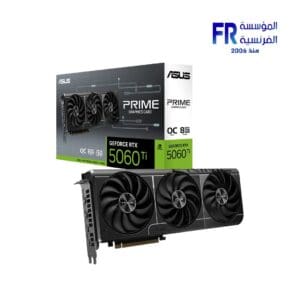 Asus GeForce RTX 5060 Ti Prime 8GB GDDR7 OC Edition Gaming Graphic Card
1 × 26500 جنية
Asus GeForce RTX 5060 Ti Prime 8GB GDDR7 OC Edition Gaming Graphic Card
1 × 26500 جنية -
×
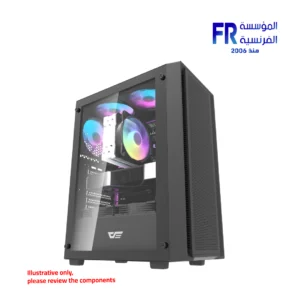 DarkFlash A305 Mesh TG With 4 CL6 ARGB Fans With GP650 650W 80 Plus Bronze PSU Black Mid Tower Gaming Case
1 × 3100 جنية
DarkFlash A305 Mesh TG With 4 CL6 ARGB Fans With GP650 650W 80 Plus Bronze PSU Black Mid Tower Gaming Case
1 × 3100 جنية -
×
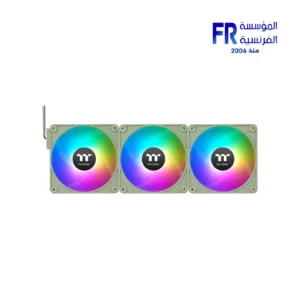
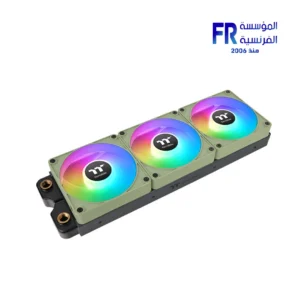
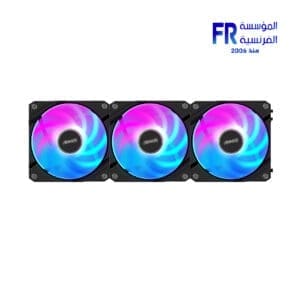 Gigabyte Aorus EZ Chain 120 ARGB 3 Fans
1 × 3400 جنية
Gigabyte Aorus EZ Chain 120 ARGB 3 Fans
1 × 3400 جنية

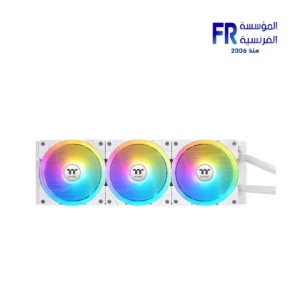
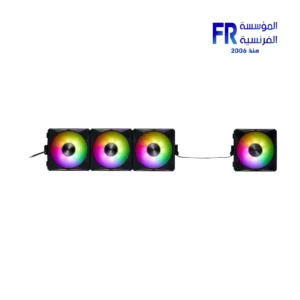
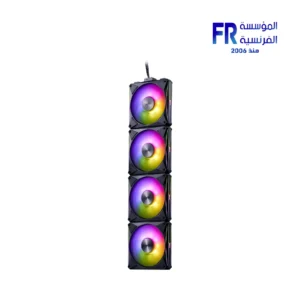
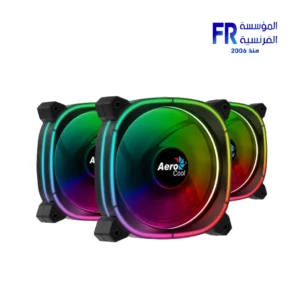
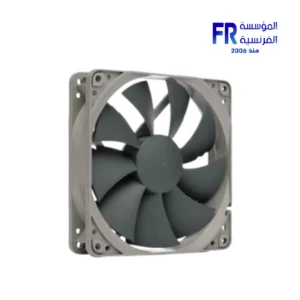
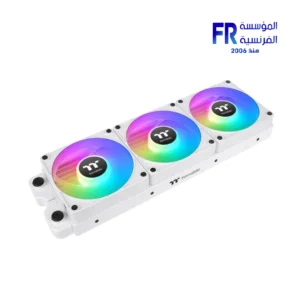
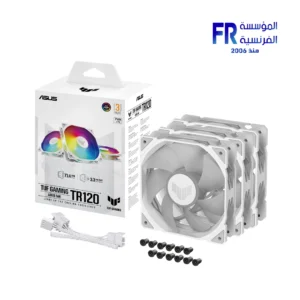
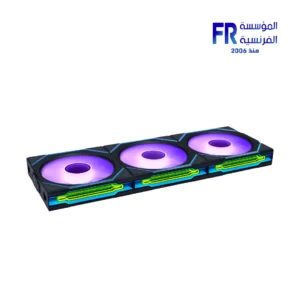
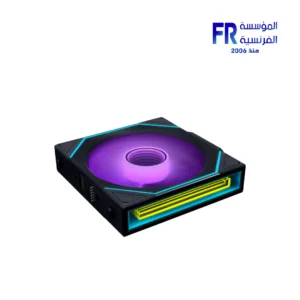
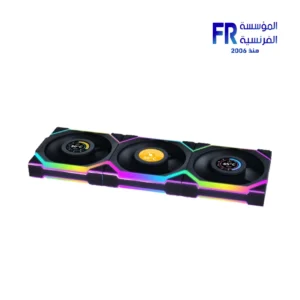
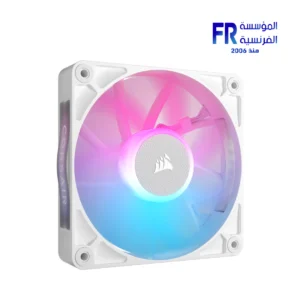
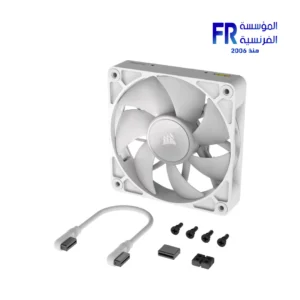
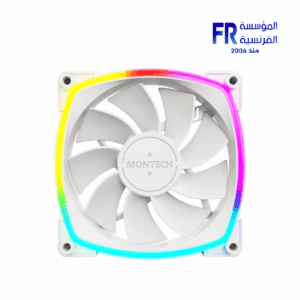
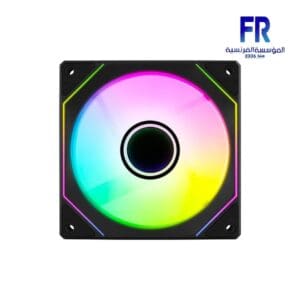
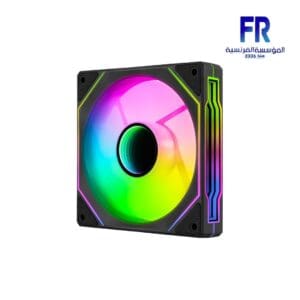
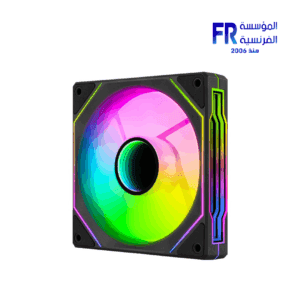
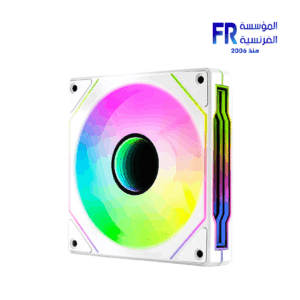
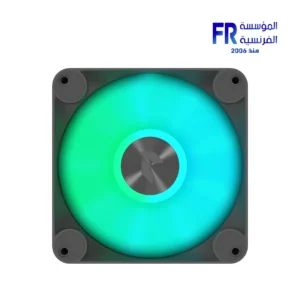
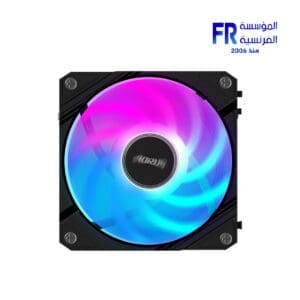
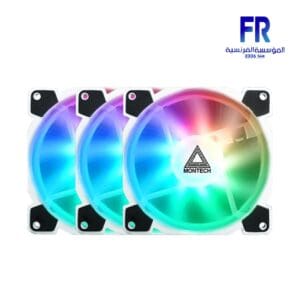
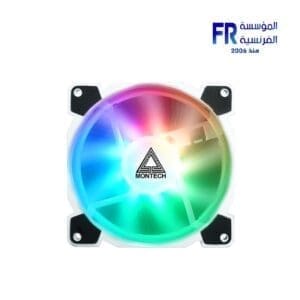
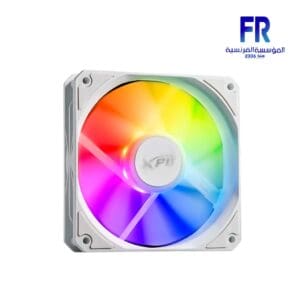
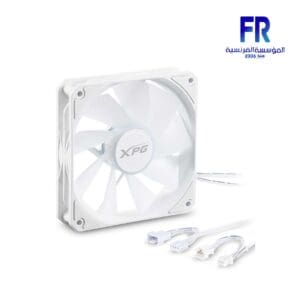
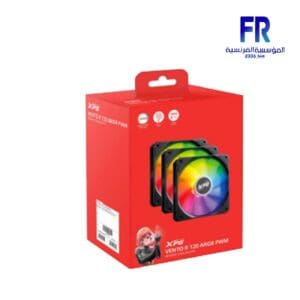
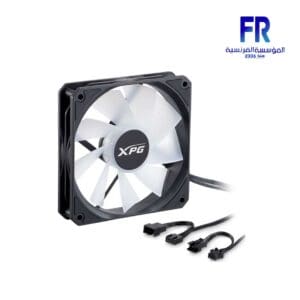
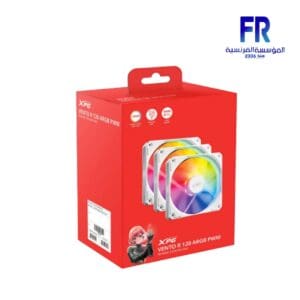
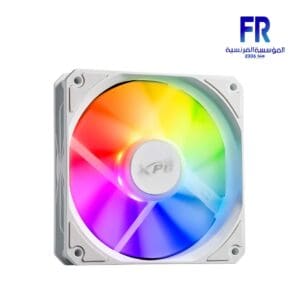
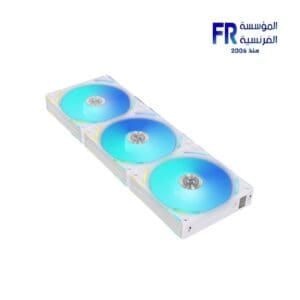
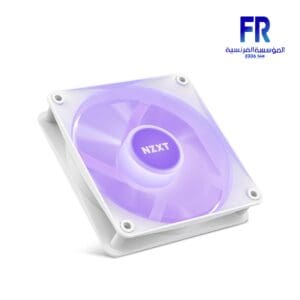
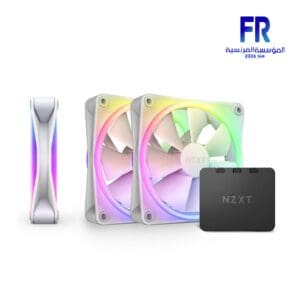
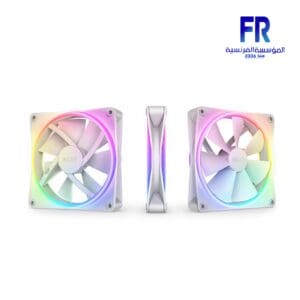
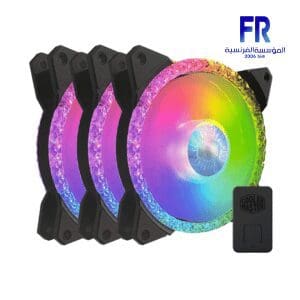
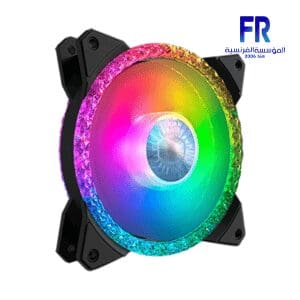
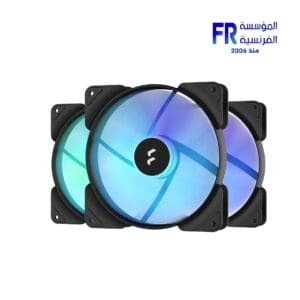
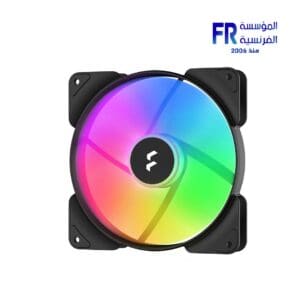
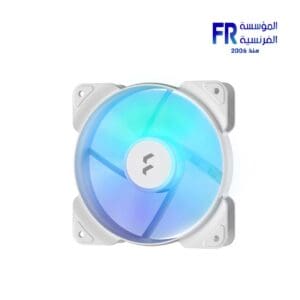
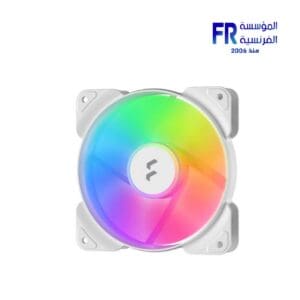
Case fans are essential for keeping your computer cool. They help to circulate air inside the case and remove heat from the components. Case fans come in a variety of sizes and speeds, so it is important to choose the right ones for your case and components.
One of the most important factors to consider when choosing case fans is airflow. Airflow is measured in cubic feet per minute (CFM). The higher the CFM rating, the more air the fan can move. For most cases, you will want to choose fans with a CFM rating of at least 50 CFM.
Another important factor to consider is noise. Case fans can be quite noisy, especially if they are running at high speeds. If you are looking for quiet fans, you will want to choose fans with a low noise rating. Noise is measured in decibels (dBA). The lower the dBA rating, the quieter the fan.
Finally, you will need to consider the size of the fans. Case fans come in a variety of sizes, including 80mm, 120mm, 140mm, and 200mm. The size of the fans will depend on the size of your case and the components you are using.
Tips for installing case fans
Here are some tips for installing case fans:
Make sure that the fans are oriented in the correct direction. The fans should be blowing air into the case, not out of the case.
Mount the fans in a position where they will be able to circulate air effectively. For example, you can mount one fan at the front of the case to blow air in and one fan at the back of the case to exhaust air out.
Connect the fans to the motherboard or fan controller. Most motherboards have a few fan headers that you can connect the fans to. If you do not have enough fan headers on your motherboard, you can use a fan controller to connect the fans.
Set the fan speeds to your desired level. Most motherboards and fan controllers allow you to set the fan speeds manually or automatically. If you are not sure what fan speed to set, you can start with the default fan speed setting.
Conclusion
Case fans are an essential part of any computer build. By choosing the right case fans, you can help to keep your computer cool and prevent it from overheating.
تعتبر مراوح الحالة ضرورية للحفاظ على برودة جهاز الكمبيوتر الخاص بك. فهي تساعد على تدوير الهواء داخل العلبة وإزالة الحرارة من المكونات. تأتي مراوح العلبة بأحجام وسرعات متنوعة، لذا من المهم اختيار المراوح المناسبة لحالتك ومكوناتك.
أحد أهم العوامل التي يجب مراعاتها عند اختيار مراوح الحالة هو تدفق الهواء. يتم قياس تدفق الهواء بالقدم المكعب في الدقيقة (CFM). كلما ارتفع تصنيف CFM، زادت كمية الهواء التي يمكن للمروحة تحريكها. في معظم الحالات، سوف ترغب في اختيار مراوح ذات تصنيف CFM لا يقل عن 50 CFM.
هناك عامل مهم آخر يجب مراعاته وهو الضوضاء. يمكن أن تكون مراوح العلبة مزعجة للغاية، خاصة إذا كانت تعمل بسرعات عالية. إذا كنت تبحث عن مراوح هادئة، فستحتاج إلى اختيار مراوح ذات معدل ضوضاء منخفض. يتم قياس الضوضاء بالديسيبل (dBA). كلما انخفض تصنيف ديسيبل، أصبحت المروحة أكثر هدوءًا.
وأخيرا، سوف تحتاج إلى النظر في حجم المشجعين. تأتي مراوح العلبة بأحجام متنوعة، بما في ذلك 80 مم، 120 مم، 140 مم، و200 مم. يعتمد حجم المراوح على حجم حالتك والمكونات التي تستخدمها.
نصائح لتثبيت مراوح الحالة
فيما يلي بعض النصائح لتثبيت مراوح الحالة:
تأكد من توجيه المراوح في الاتجاه الصحيح. يجب أن تقوم المراوح بنفخ الهواء داخل العلبة، وليس خارجها.
قم بتركيب المراوح في وضع يمكنها من تدوير الهواء بفعالية. على سبيل المثال، يمكنك تركيب مروحة واحدة في الجزء الأمامي من العلبة لنفخ الهواء ومروحة واحدة في الجزء الخلفي من العلبة لإخراج الهواء.
قم بتوصيل المراوح باللوحة الأم أو وحدة التحكم بالمروحة. تحتوي معظم اللوحات الأم على عدد قليل من موصلات المروحة التي يمكنك توصيل المراوح بها. إذا لم يكن لديك ما يكفي من موصلات المروحة على اللوحة الأم، فيمكنك استخدام وحدة تحكم المروحة لتوصيل المراوح.
اضبط سرعات المروحة على المستوى الذي تريده. تسمح لك معظم اللوحات الأم ووحدات التحكم بالمروحة بضبط سرعات المروحة يدويًا أو تلقائيًا. إذا لم تكن متأكدًا من سرعة المروحة التي تريد ضبطها، فيمكنك البدء بإعداد سرعة المروحة الافتراضية.
خاتمة
تعد مراوح الحالة جزءًا أساسيًا من أي بناء للكمبيوتر. من خلال اختيار مراوح الهيكل المناسبة، يمكنك المساعدة في الحفاظ على برودة جهاز الكمبيوتر الخاص بك ومنعه من السخونة الزائدة.