-
×
 Tplink UB500 Bluetooth 5.3 Nano Usb Adapter
1 × 400 جنية
Tplink UB500 Bluetooth 5.3 Nano Usb Adapter
1 × 400 جنية -
×
 Redragon Perdition M901 RGB 18 Buttons White Wired MMO Gaming Mouse
1 × 1199 جنية
Redragon Perdition M901 RGB 18 Buttons White Wired MMO Gaming Mouse
1 × 1199 جنية -
×
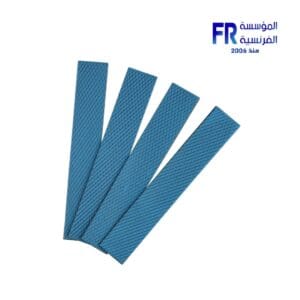 Thermal Grizzly Minus Pad Advance 120x20x1.0mm 4 Pcs Thermal Pad
1 × 900 جنية
Thermal Grizzly Minus Pad Advance 120x20x1.0mm 4 Pcs Thermal Pad
1 × 900 جنية -
×
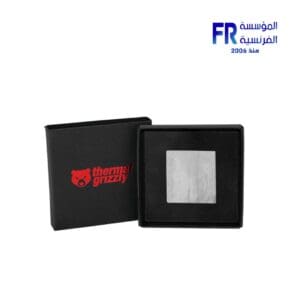 Thermal Grizzly KryoSheet 25x25 Thermal Pad
1 × 875 جنية
Thermal Grizzly KryoSheet 25x25 Thermal Pad
1 × 875 جنية -
×
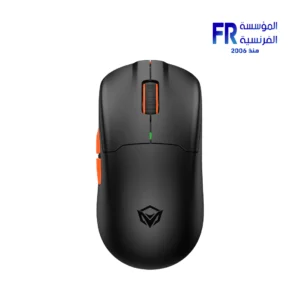 Meetion Air GW39 Lightweight Pixart PAW3395 With Charging Base 3 Mode Rechargeable Wireless And Bluetooth Gaming Mouse
2 × 2200 جنية
Meetion Air GW39 Lightweight Pixart PAW3395 With Charging Base 3 Mode Rechargeable Wireless And Bluetooth Gaming Mouse
2 × 2200 جنية -
×
 Lenovo Legion Pro 5 16IAX10 83F3003QPS - Intel Core Ultra 7 255HX - 32GB DDR5 5600Mhz - 1TB PCIe 4.0 NVMe SSD - RTX 5060 8GB - 16 inch 165Hz WQXGA OLED G-SYNC - 24-Zone RGB Keyboard - NO OS - LA3 AI Chip - Eclipse Black Gaming Laptop
1 × 84999 جنية
Lenovo Legion Pro 5 16IAX10 83F3003QPS - Intel Core Ultra 7 255HX - 32GB DDR5 5600Mhz - 1TB PCIe 4.0 NVMe SSD - RTX 5060 8GB - 16 inch 165Hz WQXGA OLED G-SYNC - 24-Zone RGB Keyboard - NO OS - LA3 AI Chip - Eclipse Black Gaming Laptop
1 × 84999 جنية -
×
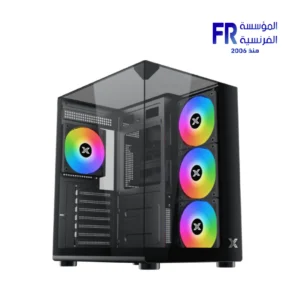 Xigmatek Aqua Compact 4 Fan ARGB PWM Mid Tower Case
1 × 2799 جنية
Xigmatek Aqua Compact 4 Fan ARGB PWM Mid Tower Case
1 × 2799 جنية -
×
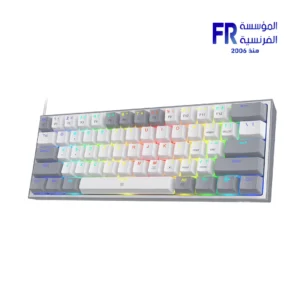 Redragon Fizz Pro K616-RGB Red Switch RGB 60 Percent Compact Gray And White 3 Modes Wireless Bluetooth Mechanical Gaming Keyboard
1 × 2450 جنية
Redragon Fizz Pro K616-RGB Red Switch RGB 60 Percent Compact Gray And White 3 Modes Wireless Bluetooth Mechanical Gaming Keyboard
1 × 2450 جنية -
×
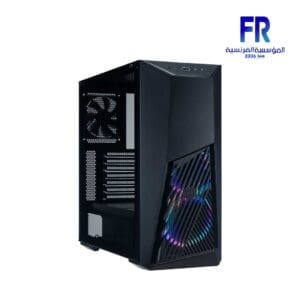 Cooler Master Masterbox K501L ARGB Mid Tower Case
1 × 3500 جنية
Cooler Master Masterbox K501L ARGB Mid Tower Case
1 × 3500 جنية -
×
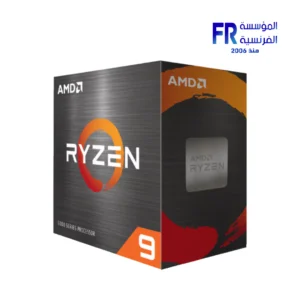 AMD Ryzen 9 5900XT Processor
1 × 18000 جنية
AMD Ryzen 9 5900XT Processor
1 × 18000 جنية -
×
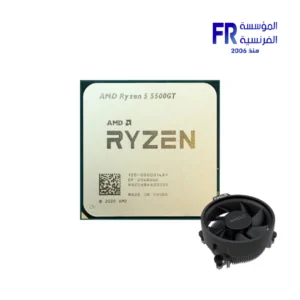 AMD Ryzen 5 5500GT Mpk Tray With Fan Processor
1 × 5600 جنية
AMD Ryzen 5 5500GT Mpk Tray With Fan Processor
1 × 5600 جنية -
×
 Corsair K65 Plus MLX Red switches Wireless Mechanical Gaming Keyboard
1 × 8800 جنية
Corsair K65 Plus MLX Red switches Wireless Mechanical Gaming Keyboard
1 × 8800 جنية -
×
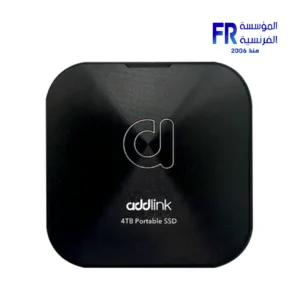
 Addlink S93 4TB M2 2280 Pcie Gen4 Nvme Internal Solid State Drive SSD
1 × 15480 جنية
Addlink S93 4TB M2 2280 Pcie Gen4 Nvme Internal Solid State Drive SSD
1 × 15480 جنية

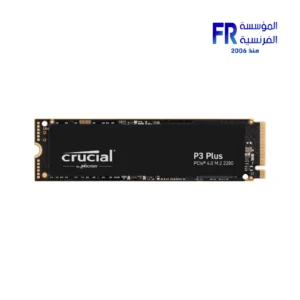
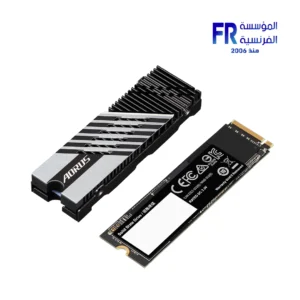
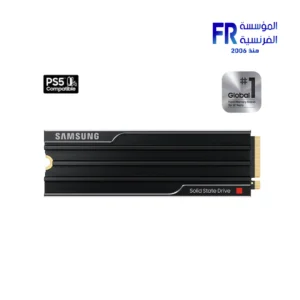
Storage is the space where data is kept on a computer. There are two main types of storage: primary storage and secondary storage.
Primary
is the memory that the computer uses to store data that it is actively using. It is a volatile memory, meaning that it loses its data when the computer is turned off. Primary includes RAM and ROM.
Secondary
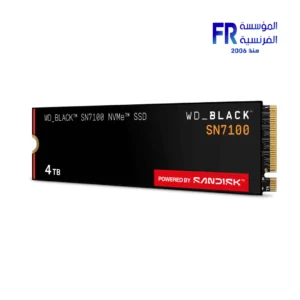
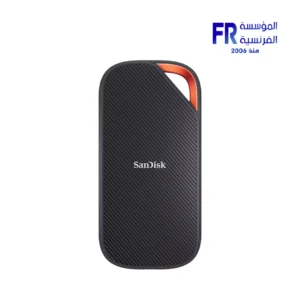
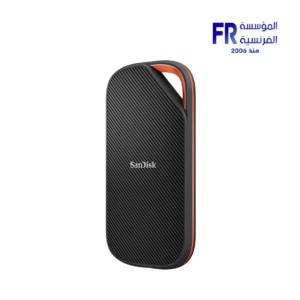
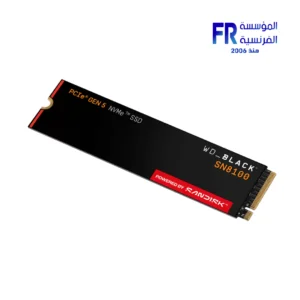
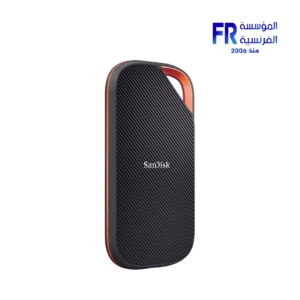
is the memory that the computer uses to store data that it is not actively using. It is a non-volatile memory, meaning that it retains its data even when the computer is turned off. Secondary includes hard disk drives (HDDs), solid state drives (SSDs), optical discs, and cloud .
HDDs
are the most traditional type of secondary . They use spinning platters coated with magnetic material to store data. HDDs are relatively inexpensive and have a large capacity, but they are also slower and less reliable than SSDs.
SSDs
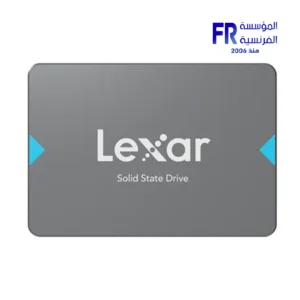
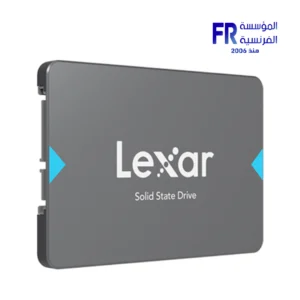
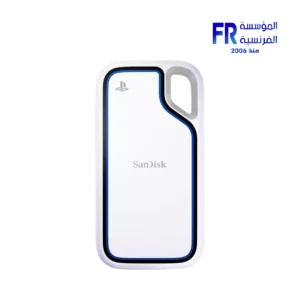
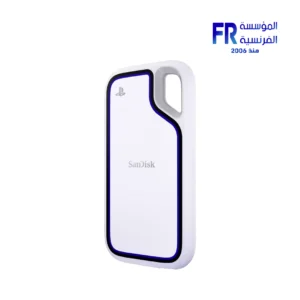
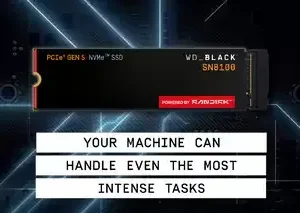
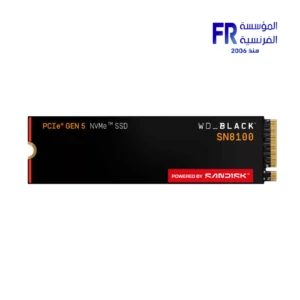
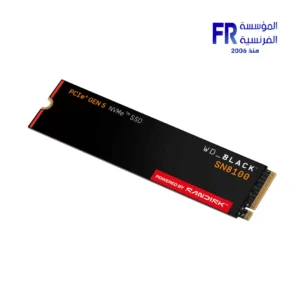
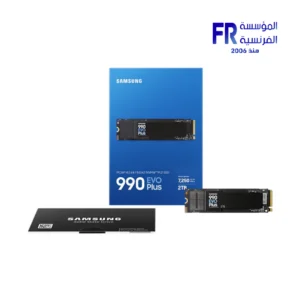
are a newer type of secondary that uses flash memory to store data. SSDs are much faster and more reliable than HDDs, but they are also more expensive.
Optical discs
are removable devices that use light to read and write data. Optical discs include CDs, DVDs, and Blu-ray discs. Optical discs are a good option for backing up data or storing data that you need to access infrequently.
Cloud
is a type of secondary that stores data on remote servers. Cloud storage is convenient and accessible from anywhere with an internet connection. However, cloud can be expensive and there are security concerns associated with storing data on remote servers.
When choosing for your computer, there are a few factors to consider:
-
Capacity:
How much data do you need to store?
-
Speed:
How fast do you need to be able to access your data?
-
Reliability:
How important is it that your data be reliable?
-
السعر من الي
How much are you willing to spend on storage?
Once you have considered these factors, you can choose the type of storage that is right for you.
Here are some recommendations for storage for different types of users:
-
Casual users:
Casual users who only use their computer for basic tasks such as browsing the web, checking email, and word processing may be able to get by with a small SSD (128GB-256GB).
-
Power users:
Power users who run multiple programs at the same time or work with large datasets may want to consider a larger SSD (512GB-1TB) or a hybrid drive (HDD with a small SSD cache).
-
Enthusiasts and professionals:
Enthusiasts and professionals who need the fastest possible performance and/or need to store a large amount of data may want to consider a large SSD (1TB or more) or a RAID array (multiple storage devices combined into a single logical unit).
If you are unsure how much storage you need or what type of storage is right for you, it is always best to consult with a computer technician.
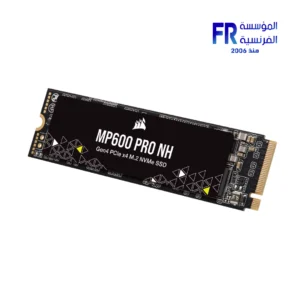
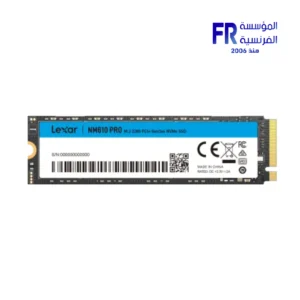
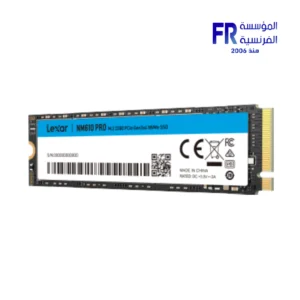
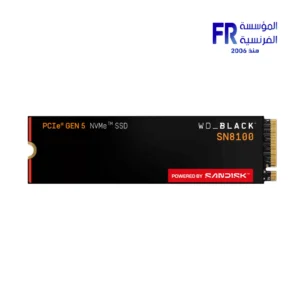
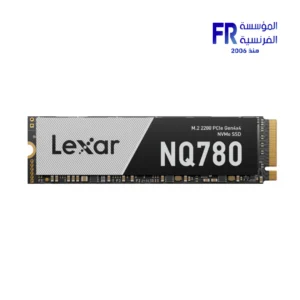
غير متوفر في المخزون
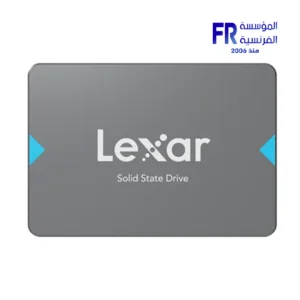
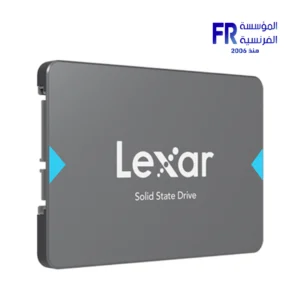
غير متوفر في المخزون
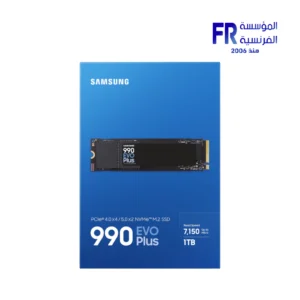
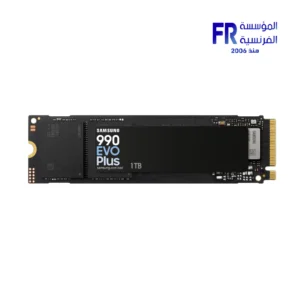
غير متوفر في المخزون
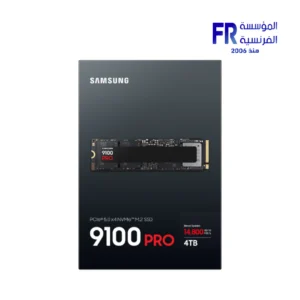
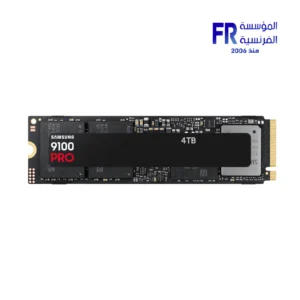
غير متوفر في المخزون
غير متوفر في المخزون

غير متوفر في المخزون
غير متوفر في المخزون
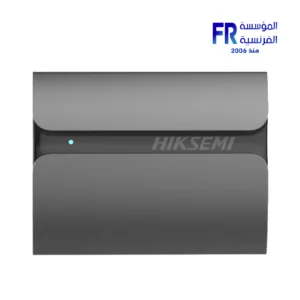
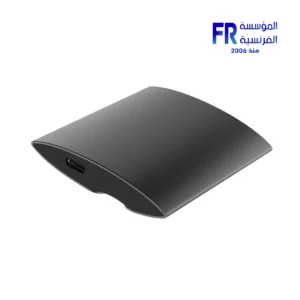
غير متوفر في المخزون
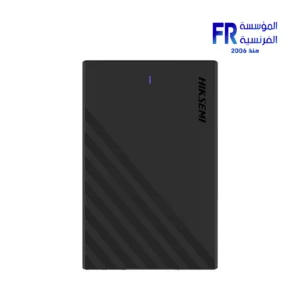
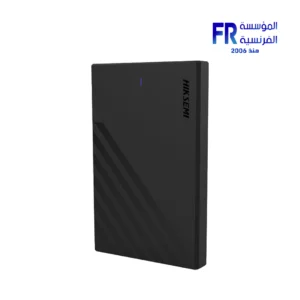
غير متوفر في المخزون
غير متوفر في المخزون

غير متوفر في المخزون



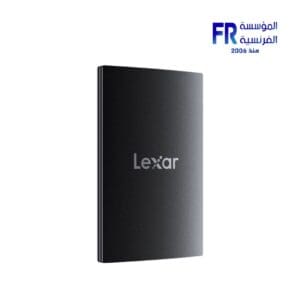
غير متوفر في المخزون
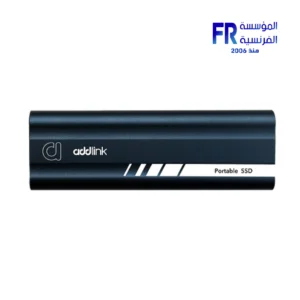
غير متوفر في المخزون
غير متوفر في المخزون

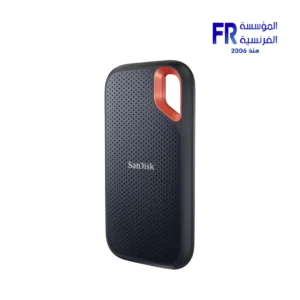
غير متوفر في المخزون