-
×
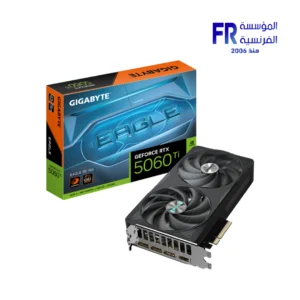 Gigabyte GeForce RTX 5060 Ti Eagle 16GB GDDR7 OC Graphic Card
1 × 26399 جنية
Gigabyte GeForce RTX 5060 Ti Eagle 16GB GDDR7 OC Graphic Card
1 × 26399 جنية -
×
 Corsair MP600 PRO NH 8TB 7000MB/s M.2 2280 PCIe Gen 4 NVMe Internal Solid State Drive SSD
1 × 47000 جنية
Corsair MP600 PRO NH 8TB 7000MB/s M.2 2280 PCIe Gen 4 NVMe Internal Solid State Drive SSD
1 × 47000 جنية -
×
Logitech G G515 TKL Tactile Switch Low Profile Black Wired Gaming Keyboard
1 × 5499 جنية
-
×
Cooler Master Hyper 612 Apex Dual Mobius 120P Fan 6 Heatpipe Air CPU Cooler
1 × 3999 جنية
-
×
Logitech G G915 X TKL Tactile Switch Low Profile Black Wireless Gaming Keyboard
1 × 11000 جنية
-
×
Xigmatek Pano M Nano 5 FAN ARGB Micro Tower Case
1 × 1799 جنية
-
×
Redragon Perdition M901 RGB 18 Buttons White Wired MMO Gaming Mouse
1 × 1199 جنية
-
×
Logitech MK250 Compact Graphite Bluetooth Keyboard And Mouse Combo
1 × 1250 جنية
-
×
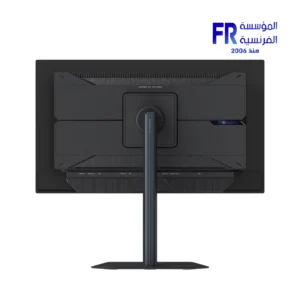
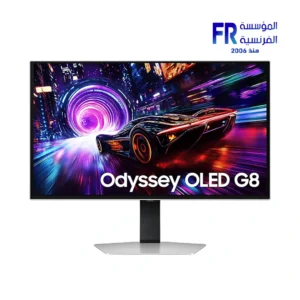
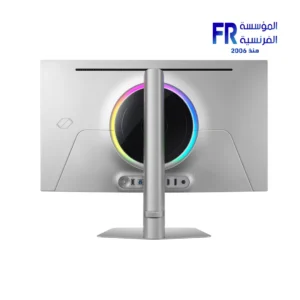
Gigabyte Gaming MO27Q2A 27 Inch 280Hz 0.03Ms QHD QD-OLED VESA DisplayHDR True Black 400 99% DCI-P3 ClearMR 15000 Black Gaming Monitor
1 × 28500 جنية
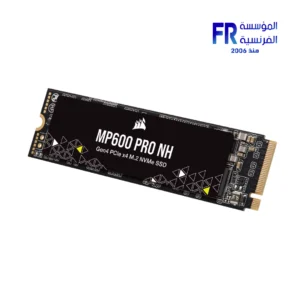 Corsair MP600 PRO NH 8TB 7000MB/s M.2 2280 PCIe Gen 4 NVMe Internal Solid State Drive SSD
 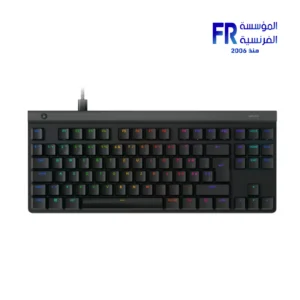 Logitech G G515 TKL Tactile Switch Low Profile Black Wired Gaming Keyboard
 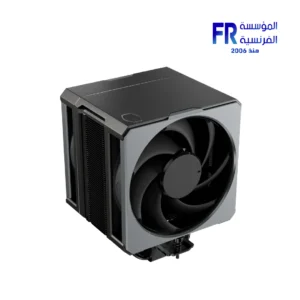 Cooler Master Hyper 612 Apex Dual Mobius 120P Fan 6 Heatpipe Air CPU Cooler
 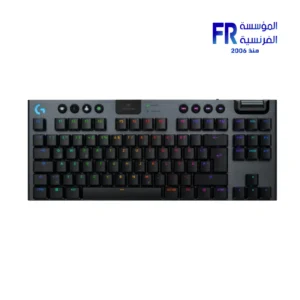 Logitech G G915 X TKL Tactile Switch Low Profile Black Wireless Gaming Keyboard
 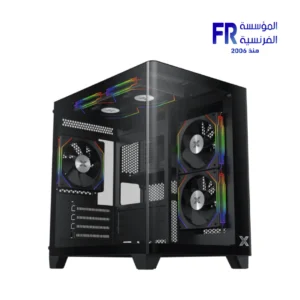 Xigmatek Pano M Nano 5 FAN ARGB Micro Tower Case
  Redragon Perdition M901 RGB 18 Buttons White Wired MMO Gaming Mouse
 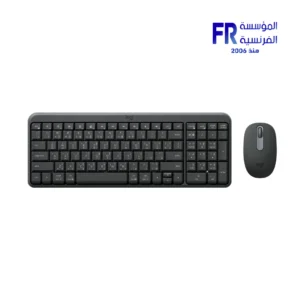 Logitech MK250 Compact Graphite Bluetooth Keyboard And Mouse Combo
 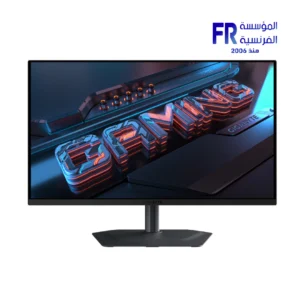 Gigabyte Gaming MO27Q2A 27 Inch 280Hz 0.03Ms QHD QD-OLED VESA DisplayHDR True Black 400 99% DCI-P3 ClearMR 15000 Black Gaming Monitor
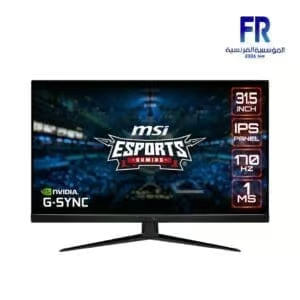
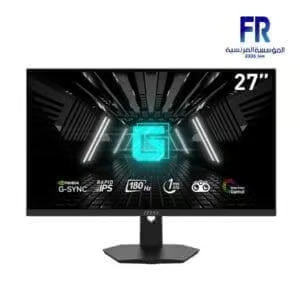
**NVIDIA G-SYNC** is an advanced technology from NVIDIA that aims to improve the gaming experience by synchronizing the display refresh rate with the frame rate produced by the graphics card (GPU). G-SYNC eliminates tearing and stuttering in the image, providing a smoother and faster gaming experience.
### **NVIDIA G-SYNC** Features:
1. **Tearing Reduction**: G-SYNC technology prevents tearing that may occur when the frame rate produced by the graphics card is faster or slower than the display refresh rate, enhancing image smoothness.
2. **Stuttering Reduction**: Reduces sudden image stoppages when there are gaps in the frame rate, helping to improve game responsiveness and increase motion stability.
3. **Dynamic Refresh Rate Support**: G-SYNC allows the display refresh rate to be dynamically adjusted to match the frame rate produced by the graphics card, contributing to improved display smoothness.
4. **Smooth and Fast Performance**: With G-SYNC, performance remains smooth even when the frame rate drops to low levels, making games more responsive without stuttering or lag.
5. **Advanced Gaming Experience**: Gamers can enjoy a more immersive gaming experience when using G-SYNC, as the technology provides high performance in fast-moving games and complex graphics.
### How does G-SYNC work?
G-SYNC technology works by synchronizing the display’s refresh rate with the frame rate produced by the NVIDIA graphics card. On traditional monitors, gamers experience tearing when the refresh rate does not match the frame rate, but with G-SYNC, the display refreshes at the same moment the graphics card produces the frames, ensuring a smooth display.
### **NVIDIA G-SYNC** Requirements:
– **G-SYNC Compatible Monitor**: You need a G-SYNC-capable monitor, which is usually an LCD monitor with G-SYNC Built-in or G-SYNC Ultimate.
– **NVIDIA graphics card**: The graphics card must be from NVIDIA that supports G-SYNC, usually from the GTX 10 series and later, as well as modern cards from the RTX series.
### The difference between G-SYNC and FreeSync:
– **G-SYNC** requires special components inside the monitor (such as the integrated G-SYNC module), which increases the cost compared to **AMD FreeSync** which relies more on software support.
– **FreeSync** can be a more economical option because it does not require special components in the monitor, while **G-SYNC** offers superior performance in most cases.
Overall, **NVIDIA G-SYNC** is an ideal technology for gamers looking to enhance their gaming experience professionally, with smooth, graphical movement free of stuttering or lag.