-
×
 Redragon Perdition M901 RGB 18 Buttons White Wired MMO Gaming Mouse
1 × 1199 جنية
Redragon Perdition M901 RGB 18 Buttons White Wired MMO Gaming Mouse
1 × 1199 جنية -
×
 Msi MAG 274QPF X30MV 27 Inch 300Hz 0.5Ms WQHD Rapid VA Mini LED DisplayHDR 1000 Gaming Monitor
1 × 19999 جنية
Msi MAG 274QPF X30MV 27 Inch 300Hz 0.5Ms WQHD Rapid VA Mini LED DisplayHDR 1000 Gaming Monitor
1 × 19999 جنية -
×
Thermal Grizzly Minus Pad Pro 120x20x1.5mm 2Pcs Thermal Pad
1 × 1325 جنية
-
×
Meetion MK600RD Red switch Arabic Wired Mechanical Keyboard
1 × 849 جنية
-
×
Sapphire Pulse Radeon RX 9070 Gaming OC 16GB GDDR6 256-bit Graphic Card
1 × 36500 جنية
-
×
Xigmatek Pano II LCD Arctic Type C 8 Fan ARGB Pwm 9Inch Multi Display LCD Panel Curved TG EATX Super Tower Case
1 × 7299 جنية
-
×
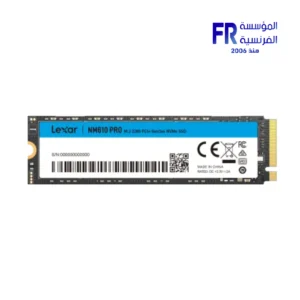
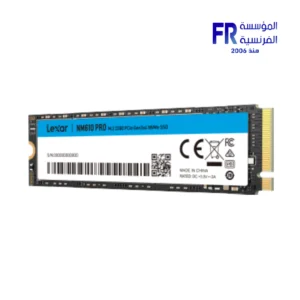
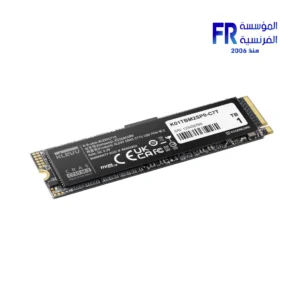
Lexar Nm610 Pro 1Tb M2 Nvme Internal Solid State Drive SSD
1 × 3960 جنية
-
×
Meetion MK80 Ultrathin Blue switch Arabic Wired Mechanical Keyboard
1 × 2499 جنية
-
×
Samsung Odyssey G5 S27DG502EU 27 Inch 180Hz 1Ms QHD IPS VESA DisplayHDR 400 Gaming Monitor
1 × 10500 جنية
-
×
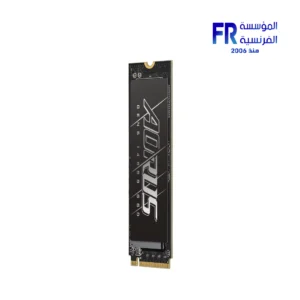
Gigabyte X870 Aorus Stealth with Wifi 7 and USB 4 Ice Motherboard
1 × 18000 جنية
-
×
Corsair MP600 PRO NH 8TB 7000MB/s M.2 2280 PCIe Gen 4 NVMe Internal Solid State Drive SSD
1 × 47000 جنية
-
×
Msi Pro H610M E DDR5 Motherboard
1 × 4099 جنية
-
×
Asus Geforce RTX 5070 Prime 12Gb Graphic Card
1 × 36500 جنية
-
×
Baseus PowerCombo GaN AC+2U+2C 65W EU Black Powerstrip
1 × 1999 جنية
-
×
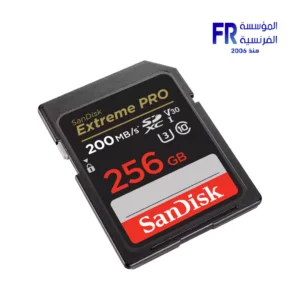
SanDisk Extreme Pro 128Gb SDXC UHS-I Memory Card
1 × 1700 جنية
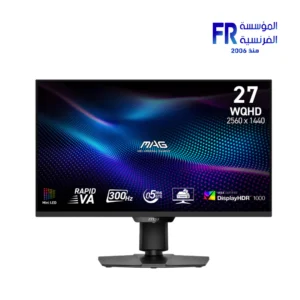 Msi MAG 274QPF X30MV 27 Inch 300Hz 0.5Ms WQHD Rapid VA Mini LED DisplayHDR 1000 Gaming Monitor
  Thermal Grizzly Minus Pad Pro 120x20x1.5mm 2Pcs Thermal Pad
 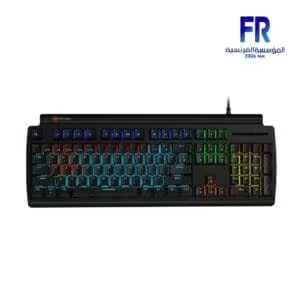 Meetion MK600RD Red switch Arabic Wired Mechanical Keyboard
 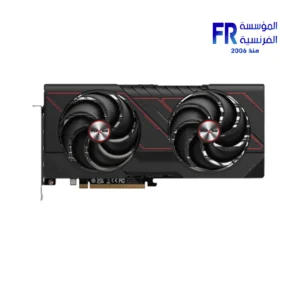 Sapphire Pulse Radeon RX 9070 Gaming OC 16GB GDDR6 256-bit Graphic Card
 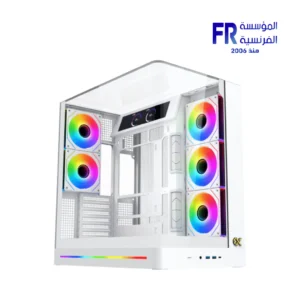 Xigmatek Pano II LCD Arctic Type C 8 Fan ARGB Pwm 9Inch Multi Display LCD Panel Curved TG EATX Super Tower Case
  Lexar Nm610 Pro 1Tb M2 Nvme Internal Solid State Drive SSD
 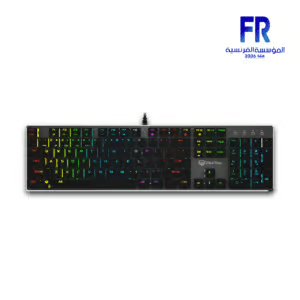 Meetion MK80 Ultrathin Blue switch Arabic Wired Mechanical Keyboard
 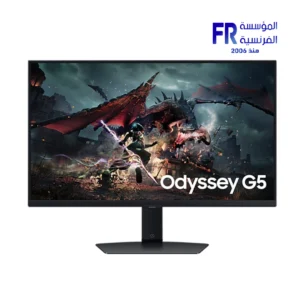 Samsung Odyssey G5 S27DG502EU 27 Inch 180Hz 1Ms QHD IPS VESA DisplayHDR 400 Gaming Monitor
 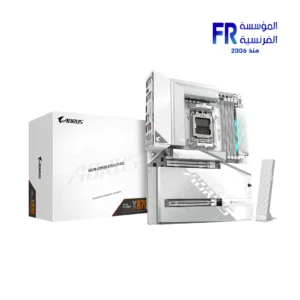 Gigabyte X870 Aorus Stealth with Wifi 7 and USB 4 Ice Motherboard
 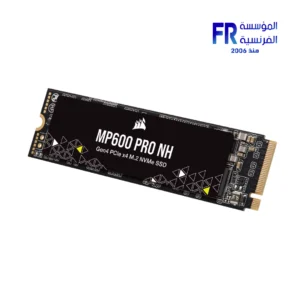 Corsair MP600 PRO NH 8TB 7000MB/s M.2 2280 PCIe Gen 4 NVMe Internal Solid State Drive SSD
  Msi Pro H610M E DDR5 Motherboard
 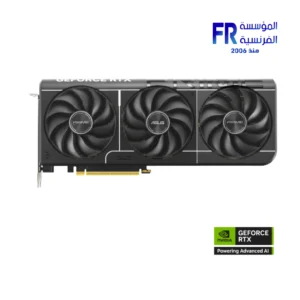 Asus Geforce RTX 5070 Prime 12Gb Graphic Card
  Baseus PowerCombo GaN AC+2U+2C 65W EU Black Powerstrip
  SanDisk Extreme Pro 128Gb SDXC UHS-I Memory Card
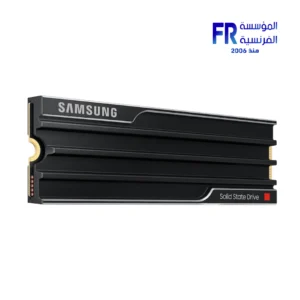
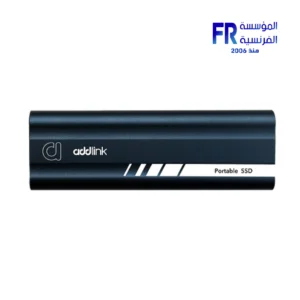
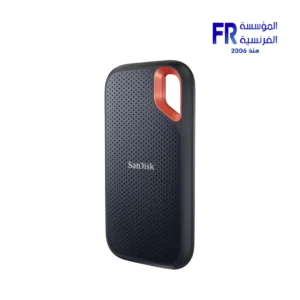
Storage is the space where data is kept on a computer. There are two main types of storage: primary storage and secondary storage.
Primary
is the memory that the computer uses to store data that it is actively using. It is a volatile memory, meaning that it loses its data when the computer is turned off. Primary includes RAM and ROM.
Secondary
is the memory that the computer uses to store data that it is not actively using. It is a non-volatile memory, meaning that it retains its data even when the computer is turned off. Secondary includes hard disk drives (HDDs), solid state drives (SSDs), optical discs, and cloud .
HDDs
are the most traditional type of secondary . They use spinning platters coated with magnetic material to store data. HDDs are relatively inexpensive and have a large capacity, but they are also slower and less reliable than SSDs.
SSDs
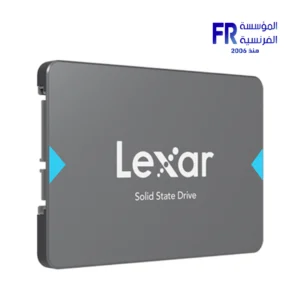
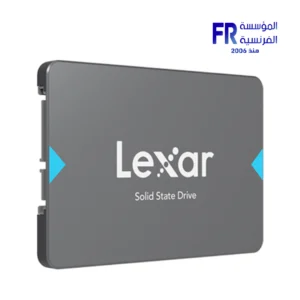
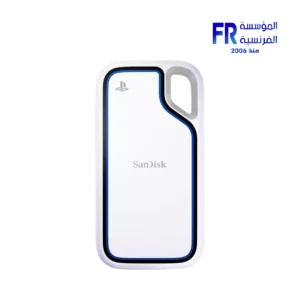
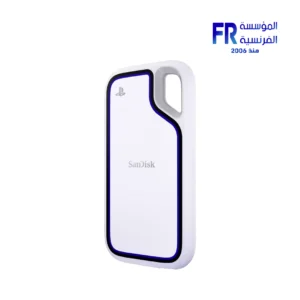
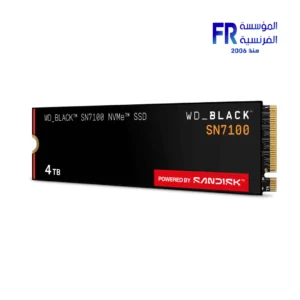
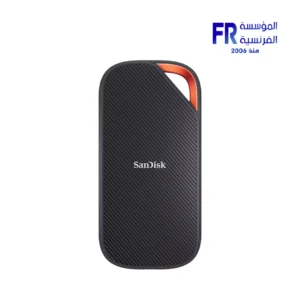
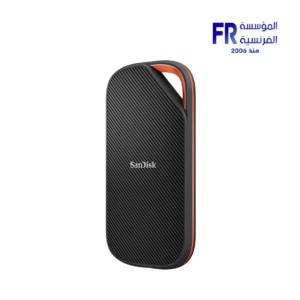
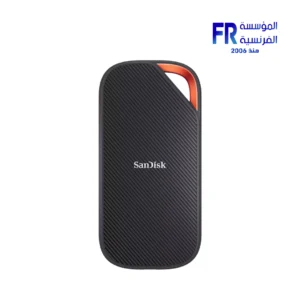
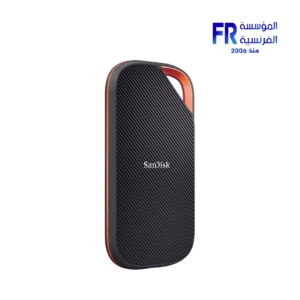
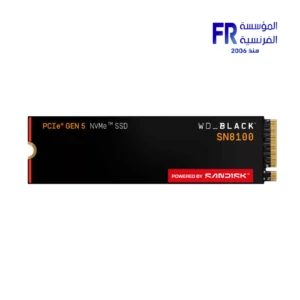
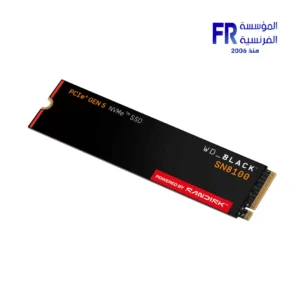
are a newer type of secondary that uses flash memory to store data. SSDs are much faster and more reliable than HDDs, but they are also more expensive.
Optical discs
are removable devices that use light to read and write data. Optical discs include CDs, DVDs, and Blu-ray discs. Optical discs are a good option for backing up data or storing data that you need to access infrequently.
Cloud
is a type of secondary that stores data on remote servers. Cloud storage is convenient and accessible from anywhere with an internet connection. However, cloud can be expensive and there are security concerns associated with storing data on remote servers.
When choosing for your computer, there are a few factors to consider:
-
Capacity:
How much data do you need to store?
-
Speed:
How fast do you need to be able to access your data?
-
Reliability:
How important is it that your data be reliable?
-
السعر من الي
How much are you willing to spend on storage?
Once you have considered these factors, you can choose the type of storage that is right for you.
Here are some recommendations for storage for different types of users:
-
Casual users:
Casual users who only use their computer for basic tasks such as browsing the web, checking email, and word processing may be able to get by with a small SSD (128GB-256GB).
-
Power users:
Power users who run multiple programs at the same time or work with large datasets may want to consider a larger SSD (512GB-1TB) or a hybrid drive (HDD with a small SSD cache).
-
Enthusiasts and professionals:
Enthusiasts and professionals who need the fastest possible performance and/or need to store a large amount of data may want to consider a large SSD (1TB or more) or a RAID array (multiple storage devices combined into a single logical unit).
If you are unsure how much storage you need or what type of storage is right for you, it is always best to consult with a computer technician.
غير متوفر في المخزون
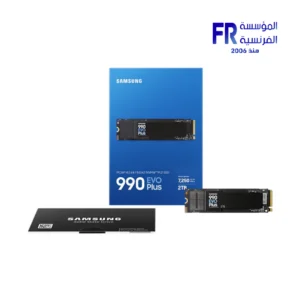
غير متوفر في المخزون
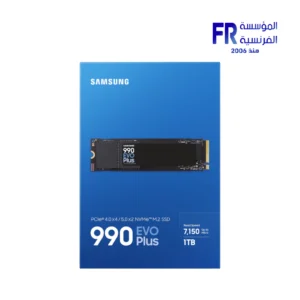
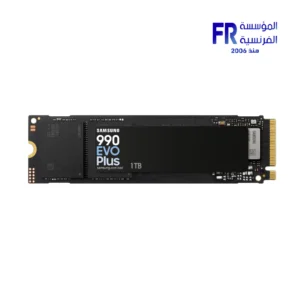
غير متوفر في المخزون
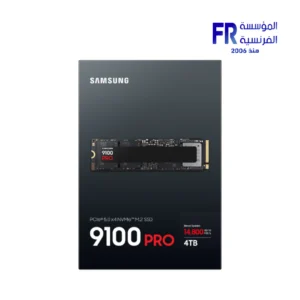
غير متوفر في المخزون
غير متوفر في المخزون

غير متوفر في المخزون
غير متوفر في المخزون
غير متوفر في المخزون
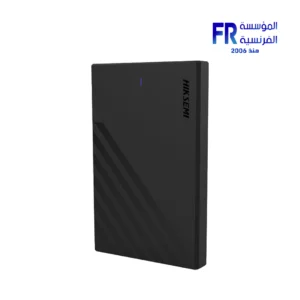
غير متوفر في المخزون
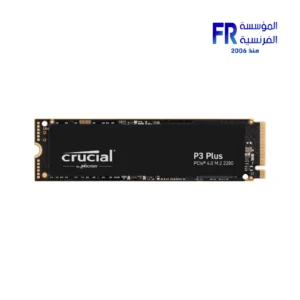
غير متوفر في المخزون

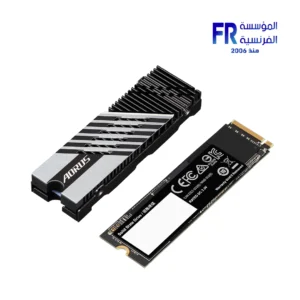
غير متوفر في المخزون


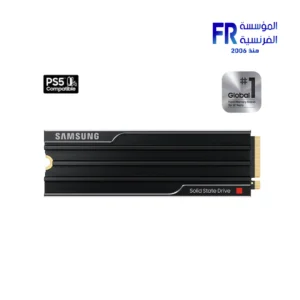


غير متوفر في المخزون
غير متوفر في المخزون
غير متوفر في المخزون

غير متوفر في المخزون