

-
×
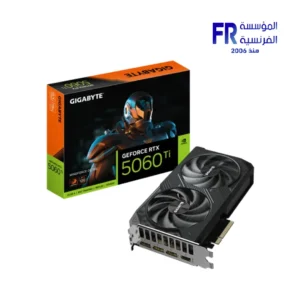 Gigabyte GeForce RTX 5060 Ti Windforce OC 16GB GDDR7 Graphic Card
1 × 25700 جنية
Gigabyte GeForce RTX 5060 Ti Windforce OC 16GB GDDR7 Graphic Card
1 × 25700 جنية -
×
 Gigabyte B850 Aorus Stealth with Wifi 7 Ice Motherboard
1 × 14900 جنية
Gigabyte B850 Aorus Stealth with Wifi 7 Ice Motherboard
1 × 14900 جنية -
×
Lenovo Legion Pro 5 16IAX10 83F3003QPS - Intel Core Ultra 7 255HX - 32GB DDR5 5600Mhz - 1TB PCIe 4.0 NVMe SSD - RTX 5060 8GB - 16 inch 165Hz WQXGA OLED G-SYNC - 24-Zone RGB Keyboard - NO OS - LA3 AI Chip - Eclipse Black Gaming Laptop
1 × 109700 جنية
-
×
Gigabyte X870 Aorus Elite X3D Ice Gaming Motherboard
1 × 15499 جنية
-
×
Thermal Grizzly Aeronaut 3.9g 1.5ml Thermal Paste
2 × 375 جنية
-
×
Thermal Grizzly Duronaut 2g Thermal Paste
2 × 501 جنية
-
×
Polartherm X10 2g Thermal Paste
1 × 201 جنية
-
×
Lava ST 40 Mini Digital Speakers
1 × 150 جنية
-
×
Lenovo LOQ 15IAX9 – Core i5 – 12450HX – 8GB – 512GB SSD – RTX 3050 6 GB – 15.6 FHD 144Hz – Gaming Laptop
1 × 42000 جنية
-
×
Polartherm X10 5g Thermal Paste
1 × 301 جنية
-
×
MSI MAG 274QF X24 27 Inch 240Hz 0.5ms WQHD Rapid IPS Flat AMD FreeSync Premium HDR Ready Monitor
3 × 13500 جنية
-
×
Aerocool Smart G1 750W 80 Plus Gold Non-Modular ATX 3.1 PCIe 5.1 Power Supply
1 × 4299 جنية
-
×
MSI PRO MP251 E2 24.5 Inch 120Hz 1ms FHD IPS Flat Adaptive Sync HDR Ready With Speakers Black Monitor
2 × 5100 جنية
-
×
Thermalright Frozen Prism 360mm ARGB White AIO Liquid CPU Cooler
1 × 4500 جنية
-
×
Xigmatek Connect Pro 360 Argb 7 Inch Magnetic LCD Aio Liquid Cpu Cooler
1 × 6499 جنية
-
×
Gigabyte Z790 Eagle AX DDR5 Motherboard
1 × 10900 جنية
-
×
Samsung Odyssey Neo G9 G95NC S57CG952NU 57 Inch 240Hz 1ms GTG Dual UHD VA Curve 1000R Quantum Matrix FreeSync Premium Pro White Monitor
1 × 119999 جنية
-
×
Asus Prime B850M A WIFI AM5 DDR5 Motherboard
1 × 9000 جنية
-
×
Intel Core I5 14600K Processor
1 × 11250 جنية
-
×
Cooler Master Hyper 212 Black X Duo Dual Fan 4 Heatpipe Direct Contact Air CPU Cooler
1 × 2050 جنية
-
×
MSI MAG 273QP QD-OLED X24 27 Inch 240Hz 0.03ms WQHD QD-OLED Flat Adaptive Sync DisplayHDR True Black 400 Black Monitor
3 × 32999 جنية
-
×
Polartherm X10 10g Thermal Paste
1 × 551 جنية
-
×
Asus VA VA34VCPSR 34 Inch 100Hz 4ms UWQHD VA Curve 1500R Adaptive Sync HDR10 With Speakers Monitor
1 × 21500 جنية
-
×
Gigabyte GeForce RTX 5060 Aero OC 8GB GDDR7 Graphic Card
1 × 19000 جنية
-
×
Gigabyte B760M DS3H WIFI 6E Gen 5 Micro ATX Socket LGA1700 Motherboard
1 × 7400 جنية
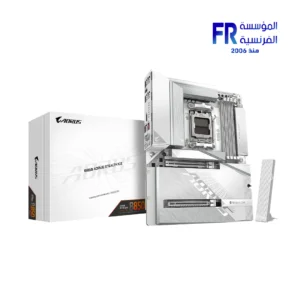 Gigabyte B850 Aorus Stealth with Wifi 7 Ice Motherboard
  Lenovo Legion Pro 5 16IAX10 83F3003QPS - Intel Core Ultra 7 255HX - 32GB DDR5 5600Mhz - 1TB PCIe 4.0 NVMe SSD - RTX 5060 8GB - 16 inch 165Hz WQXGA OLED G-SYNC - 24-Zone RGB Keyboard - NO OS - LA3 AI Chip - Eclipse Black Gaming Laptop
 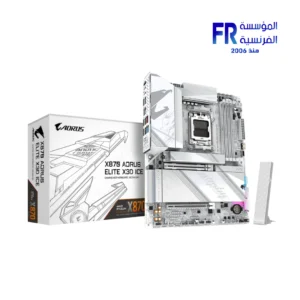 Gigabyte X870 Aorus Elite X3D Ice Gaming Motherboard
 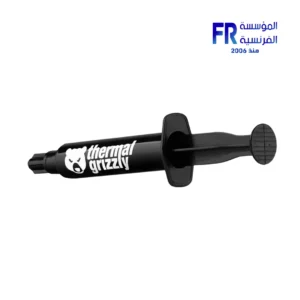 Thermal Grizzly Aeronaut 3.9g 1.5ml Thermal Paste
  Thermal Grizzly Duronaut 2g Thermal Paste
  Polartherm X10 2g Thermal Paste
  Lava ST 40 Mini Digital Speakers
 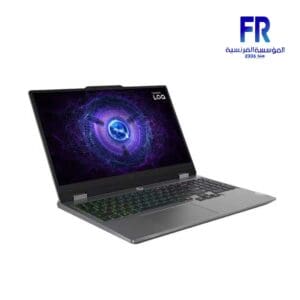 Lenovo LOQ 15IAX9 – Core i5 – 12450HX – 8GB – 512GB SSD – RTX 3050 6 GB – 15.6 FHD 144Hz – Gaming Laptop
  Polartherm X10 5g Thermal Paste
 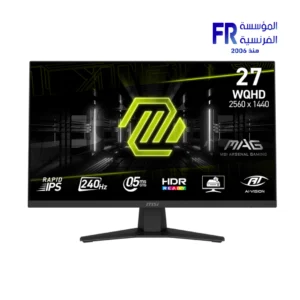 MSI MAG 274QF X24 27 Inch 240Hz 0.5ms WQHD Rapid IPS Flat AMD FreeSync Premium HDR Ready Monitor
 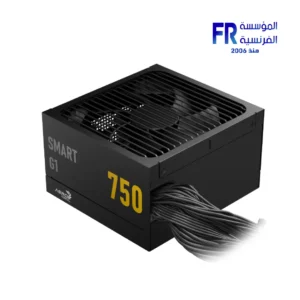 Aerocool Smart G1 750W 80 Plus Gold Non-Modular ATX 3.1 PCIe 5.1 Power Supply
 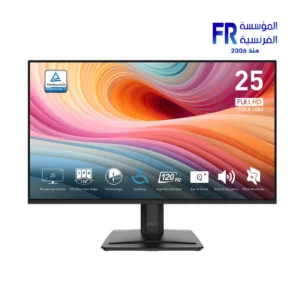 MSI PRO MP251 E2 24.5 Inch 120Hz 1ms FHD IPS Flat Adaptive Sync HDR Ready With Speakers Black Monitor
  Thermalright Frozen Prism 360mm ARGB White AIO Liquid CPU Cooler
 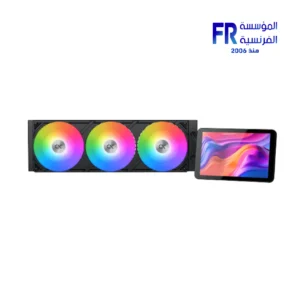 Xigmatek Connect Pro 360 Argb 7 Inch Magnetic LCD Aio Liquid Cpu Cooler
 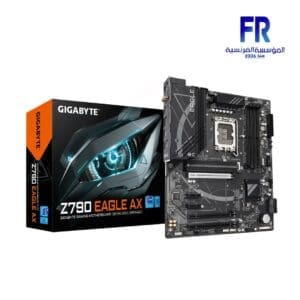 Gigabyte Z790 Eagle AX DDR5 Motherboard
  Samsung Odyssey Neo G9 G95NC S57CG952NU 57 Inch 240Hz 1ms GTG Dual UHD VA Curve 1000R Quantum Matrix FreeSync Premium Pro White Monitor
 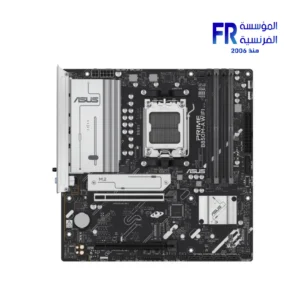 Asus Prime B850M A WIFI AM5 DDR5 Motherboard
 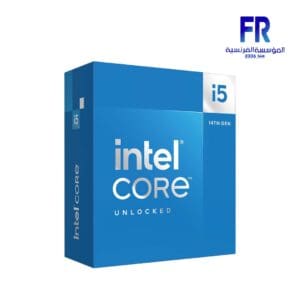 Intel Core I5 14600K Processor
 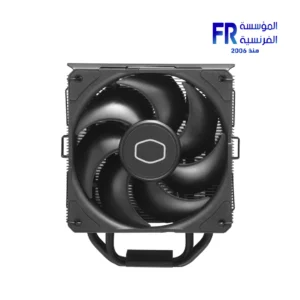 Cooler Master Hyper 212 Black X Duo Dual Fan 4 Heatpipe Direct Contact Air CPU Cooler
 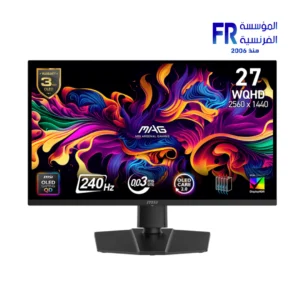 MSI MAG 273QP QD-OLED X24 27 Inch 240Hz 0.03ms WQHD QD-OLED Flat Adaptive Sync DisplayHDR True Black 400 Black Monitor
  Polartherm X10 10g Thermal Paste
 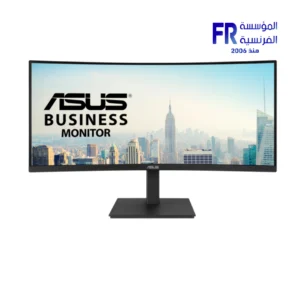 Asus VA VA34VCPSR 34 Inch 100Hz 4ms UWQHD VA Curve 1500R Adaptive Sync HDR10 With Speakers Monitor
 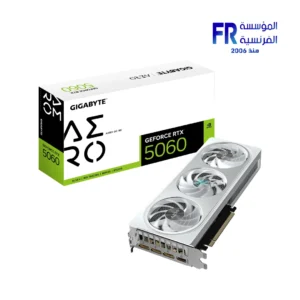 Gigabyte GeForce RTX 5060 Aero OC 8GB GDDR7 Graphic Card
 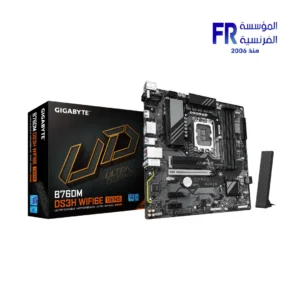 Gigabyte B760M DS3H WIFI 6E Gen 5 Micro ATX Socket LGA1700 Motherboard
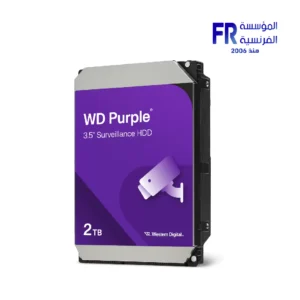
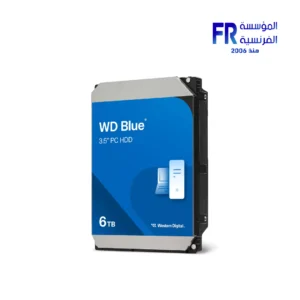
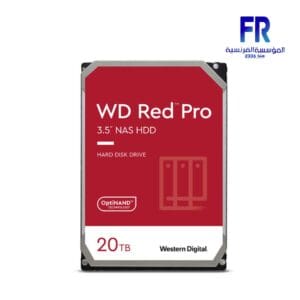
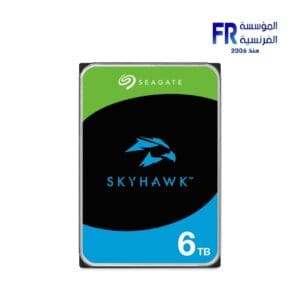
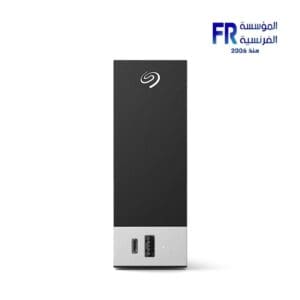
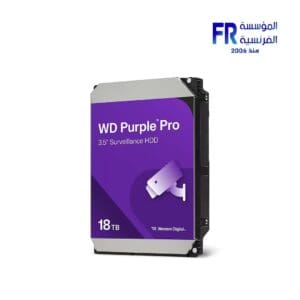
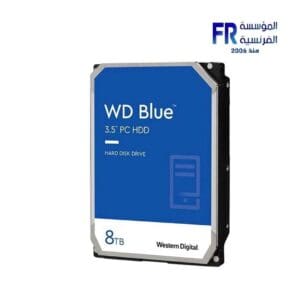
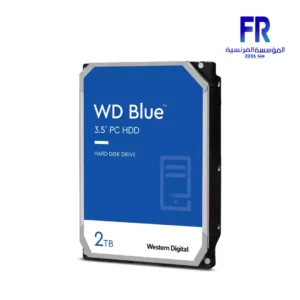
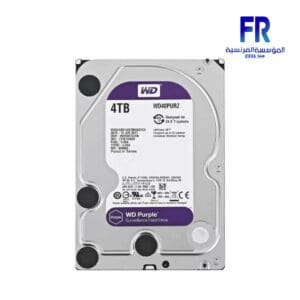
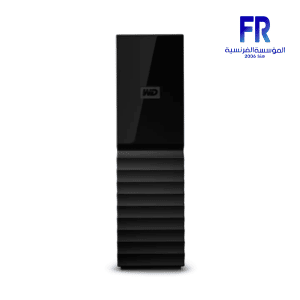
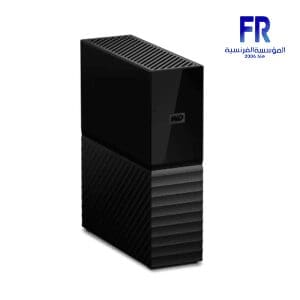
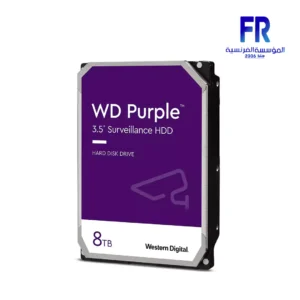
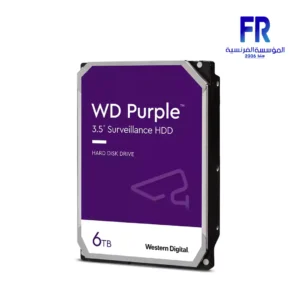
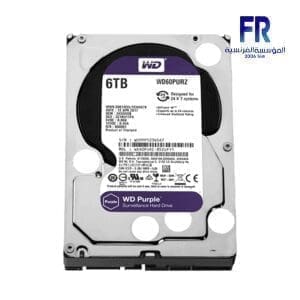
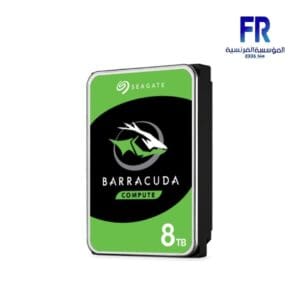
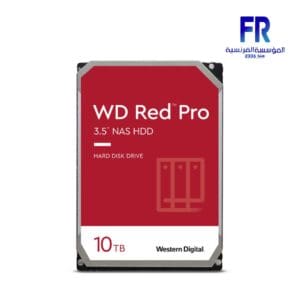
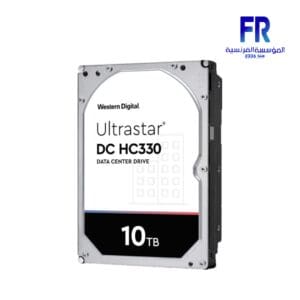
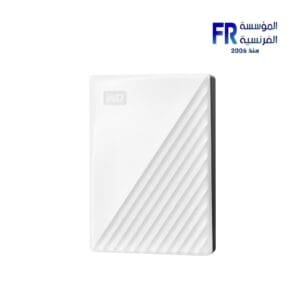
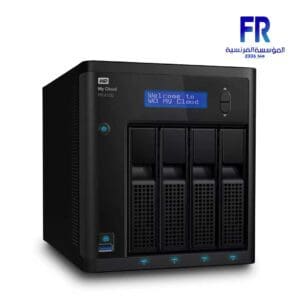
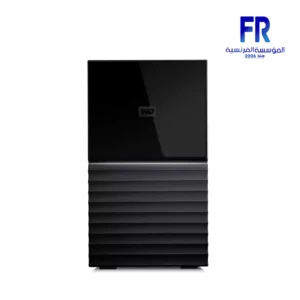
Hard disk drives (HDDs) are the most traditional type of secondary storage. They use spinning platters coated with magnetic material to store data. HDDs are relatively inexpensive and have a large storage capacity, but they are also slower and less reliable than SSDs.
Here are some of the pros and cons of using HDDs:
Pros:
-
Inexpensive:
HDDs are one of the most affordable types of storage available.
-
High capacity:
HDDs can store a large amount of data, making them a good option for storing large files such as movies, music, and photos.
-
Reliable:
HDDs are generally reliable storage devices, but they can be more susceptible to failure than SSDs.
Cons:
-
Slow:
HDDs are slower than SSDs, which can make them feel sluggish when loading programs and files.
-
Noisier:
HDDs can be noisy, especially when they are under heavy load.
-
Less durable:
HDDs are less durable than SSDs and can be damaged by physical shocks or vibrations.
Overall, HDDs are a good option for users who need a lot of storage space at an affordable price. However, if you need the fastest possible performance or need to store data that is critical, you may want to consider using an SSD instead.
Here are some tips for using HDDs:
- Back up your data regularly. HDDs are more susceptible to failure than SSDs, so it is important to back up your data regularly to protect yourself from data loss.
- Defragment your drive regularly. Defragmenting your drive can help to improve performance by organizing your files in a more efficient way.
- Keep your drive cool. HDDs can overheat if they are not properly ventilated, which can lead to failure.
- Avoid physical shocks and vibrations. HDDs are more susceptible to damage from physical shocks and vibrations than SSDs.
If you are using an HDD, it is important to take steps to protect your data and extend the life of your drive.

غير متوفر في المخزون
غير متوفر في المخزون


غير متوفر في المخزون

غير متوفر في المخزون
غير متوفر في المخزون
غير متوفر في المخزون
غير متوفر في المخزون
غير متوفر في المخزون
غير متوفر في المخزون
غير متوفر في المخزون

غير متوفر في المخزون

غير متوفر في المخزون

غير متوفر في المخزون
غير متوفر في المخزون
غير متوفر في المخزون

غير متوفر في المخزون
غير متوفر في المخزون

غير متوفر في المخزون
غير متوفر في المخزون


غير متوفر في المخزون

غير متوفر في المخزون

غير متوفر في المخزون

غير متوفر في المخزون

غير متوفر في المخزون
غير متوفر في المخزون
غير متوفر في المخزون

غير متوفر في المخزون

غير متوفر في المخزون
غير متوفر في المخزون

غير متوفر في المخزون
غير متوفر في المخزون

غير متوفر في المخزون