

NVIDIA Reportedly Tells Data-Centre Partners to Reduce China Exposure: What We Know
A Financial Times report says NVIDIA is directing data-centre partners to reduce their exposure to Chinese customers. Reuters carried the report but said it could not independently verify it. Here is what that distinction means.
What did the report say?
Reuters reported on 3 November that the Financial Times said NVIDIA was directing its data-centre partners to reduce their exposure to Chinese customers. The Financial Times report cited people familiar with the matter. Reuters added that it could not immediately verify the report independently.
That is the confirmed scope of the news available in the cited reporting. It does not, by itself, establish a new U.S. government export rule, a blanket ban on every NVIDIA product in China, or a formal public policy announced by NVIDIA. Those are separate claims and would require separate evidence.
Why does China matter to the AI hardware market?
China is a major technology market and an important part of the global semiconductor and cloud-computing landscape. Access to advanced AI accelerators, data-centre capacity and supporting infrastructure is shaped by commercial decisions as well as export-control rules. Companies operating across regions must assess customer exposure, compliance obligations, supply availability and the commercial risks of changing regulations.
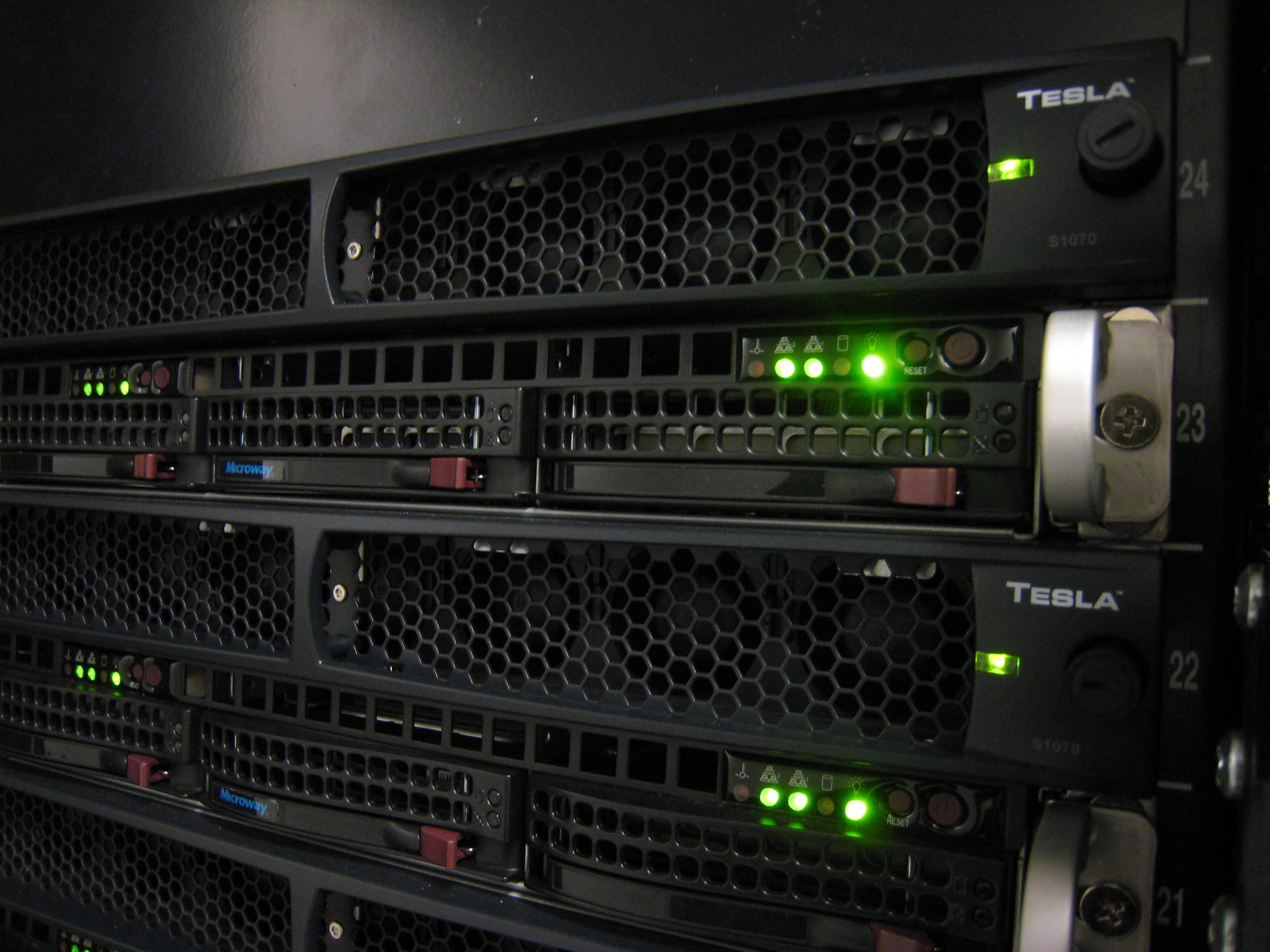
For NVIDIA, data-centre partners are important because AI infrastructure is delivered through a network of cloud providers, hosting companies, system builders and enterprise customers. A change in how partners serve particular customer groups could affect procurement plans and the way AI capacity is deployed. The reported instruction has not been independently verified by Reuters, so its exact scope and implementation remain unclear.
Is this the same as an export-control announcement?
No. Export controls are government rules that can restrict the sale, transfer or shipment of specified technologies to certain destinations or entities. The report described a direction that NVIDIA is said to be giving data-centre partners. Those are not interchangeable. A company may change its commercial risk posture in response to regulation or uncertainty without a new government rule being announced that day.
Readers should also distinguish AI data-centre accelerators from consumer GeForce graphics cards. A report about data-centre customer relationships does not automatically mean that GeForce RTX products are being restricted, repriced or removed from ordinary retail channels.
What could it mean for the wider hardware industry?
If the report is accurate and the instruction is implemented broadly, cloud providers and infrastructure partners may need to review customer onboarding, capacity allocation and regional exposure. Suppliers and system integrators could also face additional planning complexity. However, the public information currently available does not quantify any effect on shipments, revenue, GPU supply or consumer prices.
For context on NVIDIA’s broader infrastructure strategy, see our earlier coverage of NVIDIA’s AI supply-chain expansion and AI computing and data-centre development in Egypt.
What should readers watch next?
- Whether NVIDIA issues a direct public statement or clarification.
- Whether additional reporting independently confirms the instruction and identifies its scope.
- Whether cloud and data-centre partners disclose changes to customer access or regional capacity.
- Whether any government authority publishes a separate export-control update.
- Reuters — “Nvidia orders data centre clients to reduce China exposure, FT reports”, 3 November 2026
- Financial Times — original reporting referenced by Reuters
This is a developing story. The central claim remains attributed to the Financial Times report; Reuters said it could not immediately independently verify it. The article will be updated if direct confirmation or further evidence becomes available.
تقارير: NVIDIA تطلب من شركاء مراكز البيانات تقليل التعامل مع عملاء في الصين.. ماذا نعرف؟
تقرير من Financial Times بيقول إن NVIDIA بتوجّه شركاء مراكز البيانات لتقليل تعرضهم للعملاء الصينيين. Reuters نقلت التقرير، لكنها أوضحت إنها لم تتمكن من التحقق منه بشكل مستقل حتى وقت النشر. وده فرق مهم لازم نفهمه.
التقرير قال إيه؟
Reuters نشرت يوم 3 نوفمبر إن Financial Times أفادت بأن NVIDIA بتوجّه شركاء مراكز البيانات لتقليل تعاملهم أو تعرضهم للعملاء الصينيين، اعتمادًا على مصادر مطلعة على الموضوع. Reuters أضافت إنها لم تتمكن فورًا من التحقق من المعلومة بشكل مستقل.
المعلومة دي وحدها لا تثبت صدور قاعدة تصدير أمريكية جديدة، ولا تعني حظر كل منتجات NVIDIA في الصين، ولا تمثل إعلان سياسة رسمية منشور من الشركة. كل ادعاء من دول محتاج دليل منفصل.
ليه الصين مهمة لسوق هاردوير الذكاء الاصطناعي؟
الصين سوق تكنولوجي كبير وجزء مهم من منظومة أشباه الموصلات والحوسبة السحابية عالميًا. الوصول لمسرّعات الذكاء الاصطناعي المتقدمة وسعة مراكز البيانات والبنية التحتية بيتأثر بالقرارات التجارية وبقواعد التصدير معًا. الشركات اللي بتشتغل في أكتر من سوق لازم تراجع العملاء والالتزامات التنظيمية وتوافر الإمدادات ومخاطر تغيّر القواعد.
شركاء مراكز البيانات مهمين لـ NVIDIA لأن البنية التحتية للذكاء الاصطناعي بتوصل للعملاء من خلال مزودي الخدمات السحابية وشركات الاستضافة ومتكاملي الأنظمة والعملاء الكبار. لو التقرير صحيح واتطبق على نطاق واسع، ممكن يغيّر خطط شراء المكونات وتوزيع السعة. لكن النطاق الفعلي وطريقة التنفيذ لسه مش واضحين من المعلومات المنشورة.
هل ده نفس معنى إعلان قيود تصدير جديدة؟
لأ. قيود التصدير هي قواعد حكومية ممكن تمنع أو تقيّد بيع أو نقل أو شحن تقنيات محددة لوجهات أو جهات معينة. التقرير بيتكلم عن توجيه منسوب لـ NVIDIA لشركاء مراكز البيانات. الاتنين مش نفس الحاجة. ممكن شركة تغيّر تقييمها للمخاطر التجارية بسبب قواعد قائمة أو حالة عدم اليقين من غير ما تكون فيه قاعدة حكومية جديدة اتعلنت في نفس اليوم.
كمان لازم نفرّق بين مسرّعات مراكز بيانات الذكاء الاصطناعي وكروت GeForce الموجهة للمستهلكين. خبر عن علاقة عملاء مراكز البيانات لا يعني تلقائيًا فرض قيود على كروت RTX أو تغيير أسعارها أو اختفاءها من المتاجر.
إيه التأثير المحتمل على صناعة الهاردوير؟
لو التقرير دقيق واتطبق على نطاق واسع، ممكن مزودي الخدمات السحابية وشركاء البنية التحتية يراجعوا قبول العملاء وتوزيع السعة والتعامل مع الأسواق المختلفة. وممكن ده يضيف تعقيد لخطط الموردين ومتكاملي الأنظمة. لكن المعلومات المتاحة حاليًا لا تحدد تأثيرًا رقميًا على الشحنات أو الإيرادات أو المعروض من كروت الشاشة أو أسعار المستهلكين.
للسياق الأوسع عن توسع NVIDIA في البنية التحتية، راجع تغطيتنا السابقة عن توسع NVIDIA في سلسلة توريد الذكاء الاصطناعي والحوسبة ومراكز البيانات في مصر.
إيه اللي نتابعه بعد كده؟
- هل NVIDIA هتنشر بيان أو توضيح مباشر؟
- هل هتظهر تقارير إضافية تؤكد التعليمات وتحدد نطاقها؟
- هل شركاء السحابة ومراكز البيانات هيعلنوا تغييرات في قبول العملاء أو توزيع السعة؟
- هل جهة حكومية هتنشر تحديثًا منفصلًا عن قيود التصدير؟
- Reuters – تقرير NVIDIA وشركاء مراكز البيانات، 3 نوفمبر 2026
- Financial Times – المصدر الأصلي الذي أشارت إليه Reuters
الخبر قيد التطور. الادعاء الأساسي منسوب لتقرير Financial Times، وReuters قالت إنها لم تتمكن فورًا من التحقق منه بشكل مستقل. سيتم تحديث المقال عند ظهور تأكيد مباشر أو معلومات إضافية موثوقة.