


ALFRENSIA · AI HARDWARE EXPLAINER
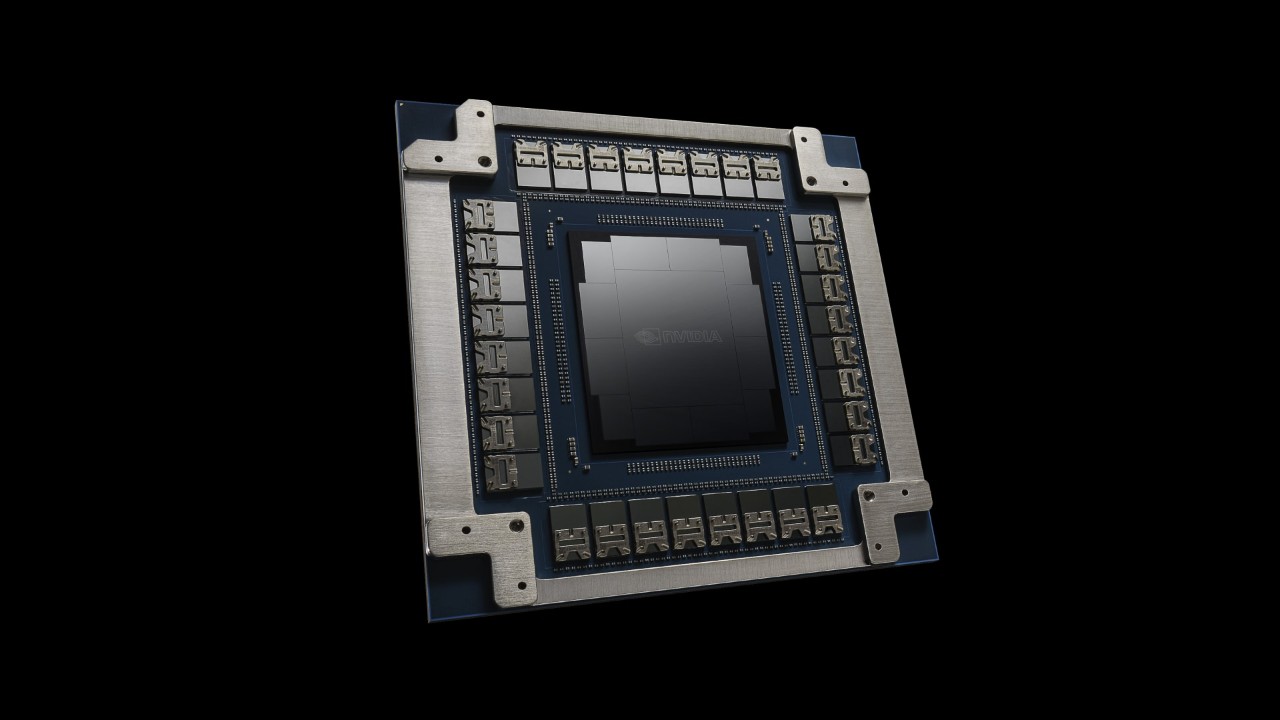
NVIDIA has shown a research prototype that moves optical connections closer to the computing chips inside an advanced package. The concept, called Optics-on-Interposer (OOI), is aimed at a growing challenge in AI data centres: moving huge amounts of data between processors while managing power and physical space.
This is an early technology demonstration—not a new GeForce graphics card or a product available to buy. Here is what the design is trying to improve, why optics matter for AI systems, and what has not been confirmed yet.
1. What is Optics-on-Interposer (OOI)?
An interposer is a thin layer inside an advanced semiconductor package that helps connect chips using very dense, short electrical connections. NVIDIA’s OOI research concept places optical engines directly on this interposer, alongside computing chips, rather than routing their signals through the package’s organic substrate first.
Optical engines convert electrical data into signals carried by light and convert incoming optical signals back into electrical data. Fibre-optic links can carry large amounts of information over distance, while the challenge inside a tightly packed system is connecting those links to the chips efficiently.
2. Why does AI infrastructure need this?
Large AI systems rely on many processors and accelerators working together. Their performance depends not only on compute power, but also on how quickly and efficiently data moves between chips, memory and networking equipment. As systems scale, the power and bandwidth of those connections become important engineering constraints.
These are design goals and potential benefits—not a guarantee that every finished system will achieve a particular speed, power saving or cost reduction.
3. How does the concept work?
In a conventional package, electrical signals travel from a computing chip through package connections before reaching an optical engine. OOI aims to shorten that electrical path by placing the optical engine on the interposer itself. The intended result is a denser connection between the compute silicon and the optical interface.
The idea is related to co-packaged optics (CPO), which integrates optical engines close to networking or computing silicon. OOI takes that integration a step further by moving the optical engine onto the interposer. The design still has difficult engineering requirements, including fibre alignment, testing, thermal management and manufacturing yield.
4. OOI vs co-packaged optics: what is the difference?
| Technology | Basic idea | Why it matters |
|---|---|---|
| Pluggable optics | Optical transceiver modules connect through ports on a system. | Serviceable and widely used, but electrical traces run from the chip to the module. |
| Co-packaged optics (CPO) | Optical engines are integrated in the same package as, or very close to, the main chip. | Can shorten electrical paths and support high-bandwidth networking designs. |
| Optics-on-Interposer (OOI) | Optical engines sit directly on the interposer carrying the computing chips. | A research approach intended to make the chip-to-optics connection denser and shorter. |
5. What is confirmed—and what is not?
Reporting from SEMICON West 2026 describes NVIDIA’s OOI as a prototype presented as research into future AI interconnects. It should not be described as a shipping product, a confirmed GeForce feature, or a technology with a guaranteed retail release date.
The practical next steps for this kind of technology are proving that it can be manufactured reliably at scale, tested, cooled, connected to fibre and serviced within the requirements of real data-centre systems.
6. Quick answers
Will OOI make my next gaming GPU faster?
There is no announced consumer GeForce product using this research prototype. The immediate focus is advanced interconnects for large-scale computing, especially AI infrastructure.
Does optical connectivity replace every copper connection?
No. Optical and electrical links serve different roles and distances. A system can use both, depending on bandwidth, power, cost, reach and serviceability needs.
When will OOI be available?
A confirmed commercial release date was not provided in the reporting reviewed here. Treat timelines as unconfirmed unless NVIDIA announces a product and availability plan.
Sources and further reading
- DIGITIMES — NVIDIA OOI prototype report (25 October 2026)
- Bits&Chips — technical explanation of the interposer concept (22 October 2026)
- NVIDIA — supply-chain and optical-engine capacity update (21 October 2026)
المؤسسة الفرنسية للكمبيوتر · شرح تقنيات AI
NVIDIA عرضت نموذجًا بحثيًا ينقل التوصيلات الضوئية إلى مكان أقرب لشرائح الحوسبة داخل حزمة المعالج. الفكرة اسمها Optics-on-Interposer أو OOI، وهدفها التعامل مع تحدٍ متزايد في مراكز بيانات الذكاء الاصطناعي: نقل كميات ضخمة من البيانات بين المعالجات مع تقليل استهلاك الطاقة واستغلال المساحة بكفاءة.
ده نموذج تجريبي للبحث والتطوير، مش كارت GeForce جديد ولا منتج متاح للبيع. هنا هنشرح الفكرة، وأهميتها، وإيه اللي لسه مش مؤكد.
1. يعني إيه Optics-on-Interposer؟
الـ Interposer طبقة رفيعة داخل حزمة أشباه الموصلات المتقدمة، بتساعد على توصيل الشرائح ببعض من خلال وصلات كهربائية دقيقة وكثيفة. فكرة OOI هي وضع وحدات الاتصال الضوئي مباشرة على الطبقة دي، بجانب شرائح الحوسبة، بدل ما الإشارة تعدي أولًا عبر طبقة التغليف العضوية.
وحدة الاتصال الضوئي بتحوّل البيانات الكهربائية إلى إشارات تنتقل بالضوء، والعكس عند الاستقبال. الألياف الضوئية تقدر تنقل بيانات كتير، لكن التحدي هو توصيلها بالشرائح داخل مساحة صغيرة بكفاءة.
2. ليه بنحتاج التقنية دي في أنظمة AI؟
أنظمة الذكاء الاصطناعي الكبيرة بتعتمد على عدد كبير من المعالجات والمسرّعات اللي لازم تشتغل مع بعض. الأداء مش مرتبط بقوة الحوسبة بس، لكنه كمان مرتبط بسرعة وكفاءة انتقال البيانات بين الشرائح والذاكرة ومعدات الشبكات. ومع زيادة حجم الأنظمة، استهلاك طاقة التوصيلات وعرض النطاق بيبقوا تحديات مهمة.
دي أهداف تصميم وفوائد محتملة، مش ضمان إن كل نظام نهائي هيحقق رقمًا محددًا في السرعة أو توفير الطاقة أو التكلفة.
3. الفكرة بتشتغل إزاي؟
في تصميم تقليدي، الإشارة الكهربائية بتتحرك من شريحة الحوسبة عبر توصيلات الحزمة قبل ما توصل لوحدة الاتصال الضوئي. OOI بتحاول تقصّر المسار ده عن طريق وضع وحدة الاتصال على الـ Interposer نفسها، بهدف زيادة كثافة الاتصال وتقليل طول المسار الكهربائي.
الفكرة مرتبطة بتقنية Co-Packaged Optics أو CPO، اللي بتدمج وحدات الاتصال الضوئي قريبًا جدًا من شريحة المعالجة أو الشبكات. OOI بتخطو خطوة إضافية بنقل الوحدة إلى الـ Interposer، لكن ده بيخلق تحديات هندسية صعبة زي محاذاة الألياف والاختبار والتبريد وجودة التصنيع.
4. الفرق بين OOI وCPO
| التقنية | الفكرة الأساسية | أهميتها |
|---|---|---|
| Pluggable Optics | وحدات إرسال واستقبال ضوئية بتركب في منافذ النظام. | سهلة الصيانة وشائعة، لكن المسارات الكهربائية تمتد من الشريحة إلى الوحدة. |
| CPO | دمج وحدات الاتصال الضوئي داخل نفس حزمة الشريحة أو قريبًا جدًا منها. | تقليل المسارات الكهربائية ودعم تصميمات شبكات عالية النطاق. |
| OOI | وضع وحدات الاتصال الضوئي مباشرة على الـ Interposer الحاملة لشرائح الحوسبة. | فكرة بحثية لتقصير وزيادة كثافة الاتصال بين الشريحة والضوء. |
5. إيه المؤكد وإيه اللي لسه مش معروف؟
التقارير المنشورة عن SEMICON West 2026 بتوصف OOI كنموذج أولي قدمته NVIDIA ضمن أبحاث توصيلات أنظمة AI المستقبلية. مينفعش نوصفها كمنتج جاهز للبيع، أو ميزة مؤكدة في كروت GeForce، أو تقنية لها موعد إطلاق تجاري مضمون.
الخطوات القادمة لأي تقنية من النوع ده تشمل إثبات إمكانية تصنيعها بكميات كبيرة وبجودة ثابتة، واختبارها وتبريدها وتوصيلها بالألياف الضوئية وصيانتها داخل مراكز بيانات حقيقية.
6. أسئلة سريعة
هل OOI هتسرّع كارت الشاشة الجاي للألعاب؟
مفيش منتج GeForce استهلاكي معلن بيستخدم النموذج البحثي ده. التركيز الحالي على التوصيلات المتقدمة لأنظمة الحوسبة الكبيرة، خصوصًا بنية الذكاء الاصطناعي التحتية.
هل الاتصال الضوئي هيستبدل كل التوصيلات النحاسية؟
لأ. التوصيلات الضوئية والكهربائية ليها استخدامات ومسافات مختلفة، وممكن النظام يستخدم النوعين حسب النطاق الترددي والطاقة والتكلفة وسهولة الصيانة.
إمتى OOI هتتوفر؟
التقارير اللي راجعناها ما ذكرتش موعد إطلاق تجاري مؤكد. اعتبر أي مواعيد غير مؤكدة لحد ما NVIDIA تعلن عن منتج وخطة توافر واضحة.
المصادر وقراءة إضافية
- DIGITIMES — تقرير النموذج الأولي OOI (25 أكتوبر 2026)
- Bits&Chips — شرح تقني للفكرة (22 أكتوبر 2026)
- NVIDIA — تحديث عن سلاسل التوريد وقدرات تصنيع وحدات الاتصال الضوئي (21 أكتوبر 2026)