


AMD’s Lux Supercomputer Opens at Oak Ridge
A new AI and high-performance computing system brings AMD EPYC CPUs, Instinct MI355X accelerators, Pensando networking and ROCm software together in an HPE-built platform. Here is what is confirmed—and what it means for PC builders in Egypt.
سوبركمبيوتر Lux من AMD يبدأ استقبال الباحثين في Oak Ridge
منظومة جديدة للذكاء الاصطناعي والحوسبة عالية الأداء بتجمع معالجات AMD EPYC مع مسرّعات Instinct MI355X وشبكات Pensando وبرمجيات ROCm داخل نظام من HPE. هنا إيه اللي اتأكد رسميًا، وإيه اللي يهم مجمّعي أجهزة الكمبيوتر في مصر.
What changed on 16 November?
Oak Ridge National Laboratory confirmed that Lux is now open to scientific users, with AMD and HPE as technology partners.
إيه الجديد في إعلان 16 نوفمبر؟
مختبر Oak Ridge الوطني أكد إن نظام Lux بدأ استقبال الباحثين، بالتعاون مع AMD وHPE.
On 16 November 2026, Oak Ridge National Laboratory (ORNL) announced that the Lux system had opened to scientific users. The deployment was developed through a public-private partnership involving ORNL, the U.S. Department of Energy, AMD and HPE.
Lux debuted at No. 14 in the 68th TOP500 edition, with an Linpack Rmax result of 220.79 petaflops, according to ORNL. Linpack (the High-Performance Linpack benchmark used by TOP500) measures a specific scientific-computing workload. Its petaflops figure is not a gaming frame-rate measurement, and it should not be compared directly with a GeForce or Radeon gaming benchmark.
The system is intended to combine AI workloads with traditional high-performance computing (HPC), including modelling and simulation. ORNL lists research areas such as fusion-energy design, materials development, advanced manufacturing and Earth-system prediction.
يوم 16 نوفمبر 2026، أعلن مختبر Oak Ridge الوطني (ORNL) إن نظام Lux بدأ استقبال الباحثين. النظام اتطوّر من خلال شراكة بين المختبر ووزارة الطاقة الأمريكية وAMD وHPE.
ظهر Lux في المركز 14 ضمن الإصدار رقم 68 من قائمة TOP500، وحقق 220.79 بيتافلوب في اختبار Linpack Rmax حسب بيانات ORNL. اختبار Linpack (المعروف باسم High-Performance Linpack والمستخدم في TOP500) بيقيس نوع محدد من أحمال الحوسبة العلمية؛ الرقم ده مش FPS للألعاب، ومينفعش نقارنه مباشرة بنتائج كروت GeForce أو Radeon المخصصة للألعاب.
الهدف من النظام هو الجمع بين أحمال الذكاء الاصطناعي والحوسبة عالية الأداء التقليدية، زي النمذجة والمحاكاة. ومن مجالات البحث المذكورة تصميم أنظمة طاقة الاندماج، وتطوير المواد، والتصنيع المتقدم، والتنبؤ بأنظمة الأرض.
The system stack at a glance
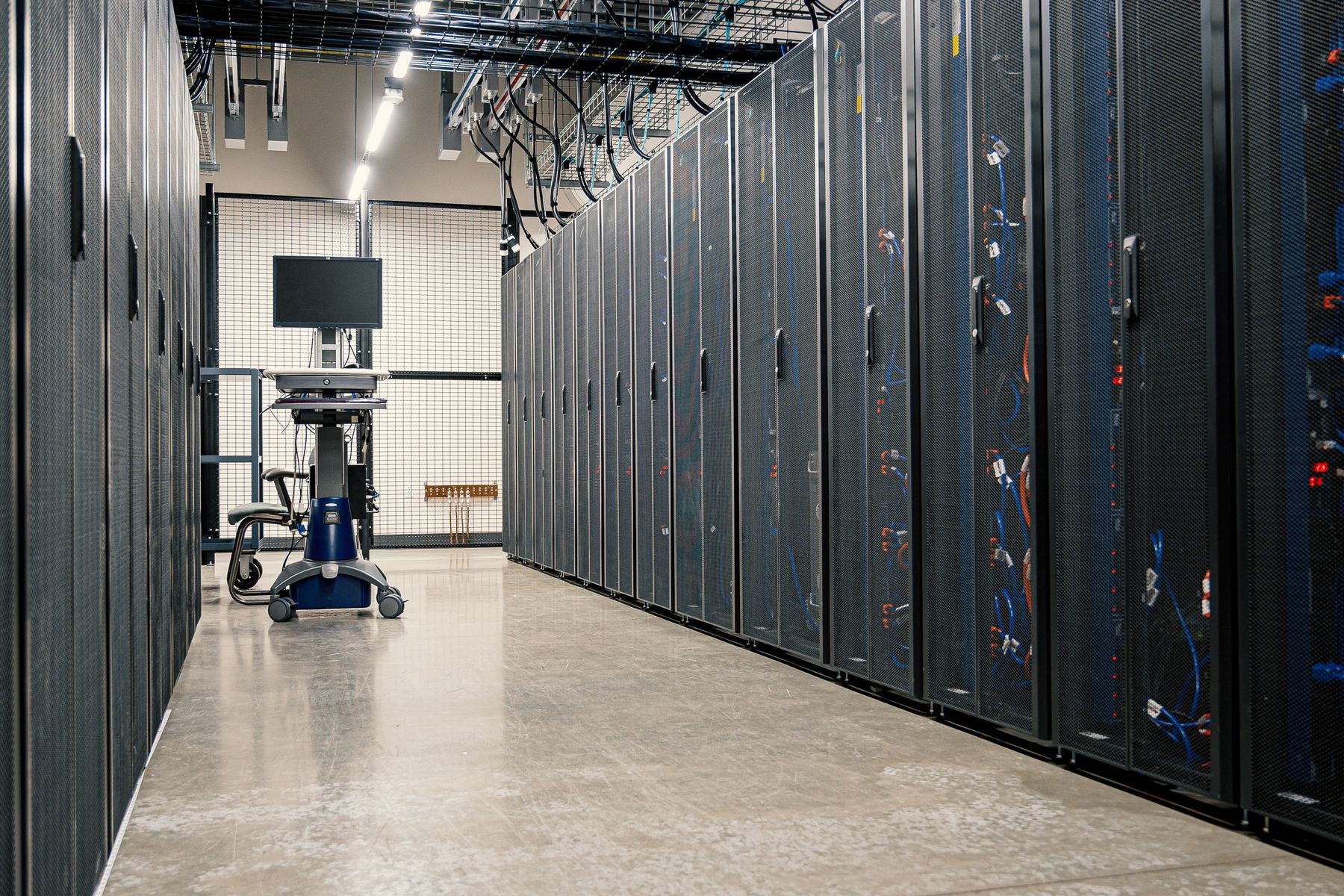
Lux is not a single graphics card. It is a complete compute environment built from processors, accelerators, networking, software and an HPE system platform.
مكوّنات المنظومة باختصار
Lux مش كارت شاشة واحد؛ دي بيئة حوسبة متكاملة فيها معالجات ومسرّعات وشبكات وبرمجيات ومنصة سيرفرات من HPE.
AMD EPYC CPUs
General-purpose processors handle system tasks and coordinate workloads alongside the accelerators.
معالجات AMD EPYC
بتتعامل مع مهام النظام وتشغيل الأحمال المختلفة، وبتنسّق الشغل جنب المسرّعات.
AMD Instinct MI355X
Data-centre accelerators provide the parallel compute capacity for AI and scientific workloads. They are not desktop Radeon gaming cards.
مسرّعات AMD Instinct MI355X
مسرّعات مخصصة لمراكز البيانات، وبتوفّر قدرة الحوسبة المتوازية لأحمال AI والبحث العلمي. دي مش كروت Radeon للديسكتوب والألعاب.
AMD Pensando + HPE Juniper networking
ORNL identifies AMD Pensando networking. HPE says the deployment also uses Juniper QFX switches supporting 800G Ethernet, load balancing and congestion management.
شبكات AMD Pensando وHPE Juniper
ORNL بتذكر شبكات AMD Pensando، وHPE بتوضح إن النظام بيستخدم سويتشات Juniper QFX بدعم 800G Ethernet وإدارة توزيع الأحمال والازدحام.
ROCm, Slurm and Kubernetes
AMD ROCm supplies the software stack, while ORNL says Slurm and Kubernetes support resource scheduling across HPC and cloud-style workflows.
ROCm وSlurm وKubernetes
برمجيات AMD ROCm بتوفّر طبقة تشغيل المسرّعات، وORNL بتوضح إن Slurm وKubernetes بيساعدوا في توزيع موارد النظام وإدارة الأحمال.
HPE ProLiant Compute XD685
HPE provides the direct-liquid-cooled server platform that houses and integrates the compute hardware for this deployment.
منصة HPE ProLiant Compute XD685
HPE بتوفّر منصة السيرفرات المبردة مباشرة بالسائل، واللي بتضم مكوّنات الحوسبة وبتدمجها داخل النظام.
AI + traditional HPC
The system is designed to combine model training and inference with established scientific modelling and simulation workloads.
الذكاء الاصطناعي مع HPC
النظام معمول علشان يجمع تدريب وتشغيل نماذج الذكاء الاصطناعي مع النمذجة والمحاكاة العلمية التقليدية.
How the system’s annual capacity is shared
إزاي بيتم توزيع وقت تشغيل النظام؟
ORNL says Lux provides approximately 3.5 million node-hours per year. Roughly half is allocated to projects supporting the U.S. Department of Energy’s Genesis Mission, while the remaining half is available to AMD under the partnership.
A node-hour is a measure of computing access over time across system nodes; it is not a retail capacity rating or a promise of public cloud access. The arrangement is a shared-investment model that gives researchers dedicated resources while allowing AMD to advance its AI and HPC software and workloads.
حسب ORNL، النظام بيوفّر حوالي 3.5 مليون ساعة تشغيل للعُقد سنويًا. تقريبًا نصّها مخصص لمشروعات مبادرة Genesis Mission التابعة لوزارة الطاقة الأمريكية، والنص التاني متاح لـAMD ضمن الشراكة.
مصطلح Node-hour بيقيس وقت استخدام موارد الحوسبة عبر عُقد النظام؛ مش مقياس سعة لمنتج بيتباع للمستهلك، ومش معناه إن الخدمة متاحة لأي حد كخدمة Cloud عامة. ده نموذج شراكة بيقسّم موارد التشغيل بين الأبحاث وAMD.
What should Egyptian PC buyers take from this?
The news matters as a view of the AI hardware ecosystem—not as a new consumer component announcement.
إيه اللي يهم مشتري الكمبيوتر في مصر؟
أهمية الخبر إنه بيوضح شكل منظومة عتاد الذكاء الاصطناعي، مش إنه إعلان عن قطعة جديدة للمستهلك.
1. MI355X is not a Radeon upgrade
Instinct MI355X belongs to AMD’s data-centre accelerator family. Lux is a deployed supercomputer at Oak Ridge, not a desktop graphics card launch. There is no Egyptian retail price, consumer warranty or local availability announced for this system.
2. AI performance is a platform question
Lux illustrates why large AI deployments need more than fast GPUs. CPU resources, accelerator memory, networking, software, workload scheduling, power delivery and cooling all have to work together. A high-end desktop or workstation has a different scale and a different set of compatibility limits.
3. Plan a local AI workstation around the workload
For a PC that runs models locally, start with the models and applications you intend to use. Then check GPU VRAM, system RAM, CPU support, SSD capacity, cooling, power supply and software compatibility. More headline performance does not automatically mean a better-value local build.
For practical background, read our guide to running AI locally on a PC, our GIGABYTE AI TOP AERO coverage, and our explanation of AMD Instinct data-centre accelerators.
1. MI355X مش ترقية Radeon
مسرّع Instinct MI355X تابع لفئة مسرّعات مراكز البيانات من AMD. ونظام Lux نفسه سوبركمبيوتر موجود في Oak Ridge، مش إطلاق لكارت شاشة ديسكتوب. مفيش سعر بيع للمستهلك في مصر أو ضمان محلي أو توافر تجاري معلن للنظام ده.
2. أداء الذكاء الاصطناعي بيعتمد على المنظومة كلها
Lux بيوضح إن تشغيل أحمال AI الكبيرة محتاج أكتر من GPU سريع. لازم المعالجات والذاكرة والشبكات والبرمجيات وتوزيع الأحمال والطاقة والتبريد يشتغلوا مع بعض. محطة العمل أو جهاز الديسكتوب ليهم حجم مختلف وحدود توافق مختلفة تمامًا.
3. اختار جهاز AI محلي حسب استخدامك الفعلي
لو ناوي تشغّل نماذج AI على جهازك، ابدأ بتحديد النماذج والبرامج اللي هتستخدمها. بعد كده راجع VRAM كارت الشاشة، والرام، ودعم المعالج، وسعة SSD، والتبريد، ومزوّد الطاقة، وتوافق البرامج. أعلى رقم أداء في إعلان مش معناه تلقائيًا إنه أفضل قيمة لتجميعة محلية.
للتفاصيل العملية، راجع دليل تشغيل الذكاء الاصطناعي محليًا على الكمبيوتر، وتغطيتنا عن جهاز GIGABYTE AI TOP AERO، وشرح مسرّعات AMD Instinct المخصصة لمراكز البيانات.
What we know—and what remains unconfirmed
إيه اللي اتأكد وإيه اللي لسه مش معلن؟
Confirmed
- Opened to scientific users on 16 November 2026.
- Built with HPE ProLiant Compute XD685 systems.
- Uses AMD EPYC, Instinct MI355X, Pensando and ROCm.
- Ranked No. 14 with 220.79 petaflops on HPL, according to ORNL.
المؤكد
- بدأ استقبال الباحثين يوم 16 نوفمبر 2026.
- مبني على أنظمة HPE ProLiant Compute XD685.
- بيستخدم AMD EPYC وInstinct MI355X وPensando وROCm.
- حقق المركز 14 ونتيجة 220.79 بيتافلوب في HPL حسب ORNL.
Not announced for Egypt
- No Egyptian consumer price or retail listing.
- No local desktop configuration or warranty terms.
- No GeForce/Radeon gaming comparison.
- No claim that this deployment changes local GPU prices or stock.
غير معلن في مصر
- مفيش سعر للمستهلك أو صفحة بيع في مصر.
- مفيش تكوين ديسكتوب أو شروط ضمان محلي.
- مفيش مقارنة أداء ألعاب مع GeForce أو Radeon.
- مفيش ما يثبت إن النظام ده هيغيّر أسعار أو مخزون كروت الشاشة محليًا.
Primary references
Publication dates and technical details checked against the organisations involved in the deployment.
المراجع الرسمية
تمت مراجعة تاريخ النشر والتفاصيل التقنية بالرجوع للجهات المشاركة في تنفيذ النظام.
- Oak Ridge Leadership Computing Facility — Lux opens to scientific users, 16 November 2026
- TOP500 — Lux system entry, November 2026 list (Linpack Rmax and system configuration)
- AMD Newsroom — AMD-powered Lux supercomputer announcement, 16 November 2026
- HPE Newsroom — Lux AI cluster debuts at No. 14 on TOP500, 16 November 2026
Build for the workload—not just the headline
Alfrensia explains the difference between consumer PC parts, local AI workstations and large data-centre systems.
Read the local AI hardware guideاختار العتاد حسب شغلك، مش حسب أكبر رقم في الإعلان
المؤسسة الفرنسية للكمبيوتر بتشرح الفرق بين مكوّنات أجهزة المستهلك ومحطات عمل AI المحلية وأنظمة مراكز البيانات الكبيرة.
اقرأ دليل عتاد الذكاء الاصطناعي المحلي