


Fujitsu MONAKA: Can Japan Challenge the AI CPU Market with a 144-Core Arm Processor?
Japan is stepping back into the spotlight of advanced computing. Fujitsu’s FUJITSU-MONAKA is a next-generation Arm-based CPU built for data centres, cloud infrastructure, high-performance computing and AI inference—not a direct replacement for the GPUs used to train large AI models.
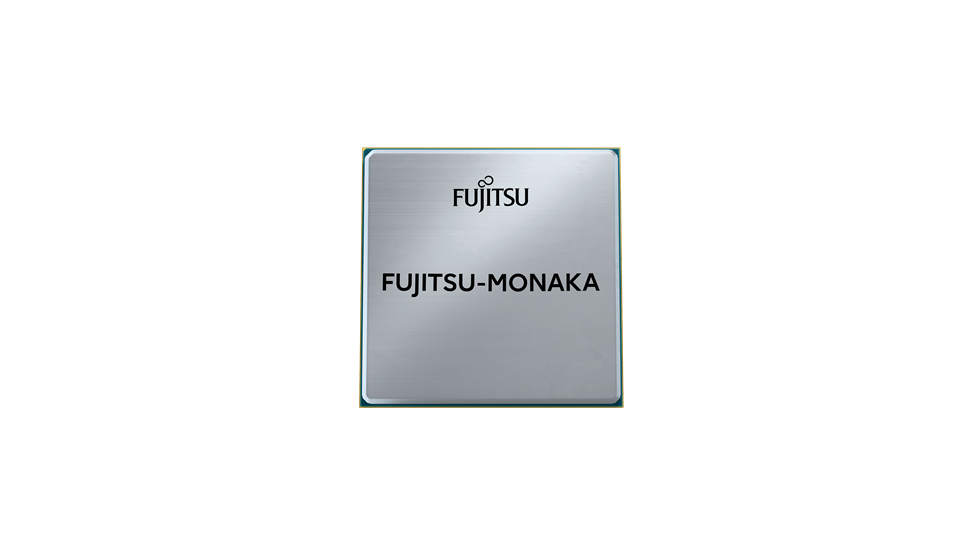
1. First, what exactly is FUJITSU-MONAKA?
FUJITSU-MONAKA is a next-generation server CPU based on the Arm architecture. Fujitsu says it is designed for data centres, cloud operators, enterprise infrastructure, AI inference and high-performance computing (HPC). Its focus is to deliver useful compute performance with lower power requirements and a platform that can be deployed in environments where cooling capacity, electricity and physical space are limited.
The distinction is important: a CPU can run AI inference workloads, but that does not mean every AI workload should move away from GPUs. Large-scale model training and highly parallel workloads still commonly rely on GPUs and specialised accelerators. MONAKA is aimed at expanding the options available for inference and general-purpose server computing.
2. 2nm cores, 5nm cache and I/O: a 3D-stacked design
One of the most notable design choices is the use of different manufacturing process nodes for different parts of the chip. According to Fujitsu, the CPU core section uses a 2nm process, while the cache and I/O sections use 5nm. The components are integrated through a 3D-stacked architecture, allowing the design to combine different chip technologies rather than manufacture every section on one process node.
Fujitsu also highlights its ultra-low-voltage operation technology as part of the effort to improve performance per watt. The company has announced a maximum operating frequency of 3.8GHz and a memory transfer rate of 8,800MT/s.
3. 144 cores and Armv9-A: designed for server workloads
Fujitsu’s technical materials identify MONAKA with the Armv9-A architecture and a 144-core design. The server configurations include one-CPU and two-CPU options, so a two-socket system can scale to 288 CPU cores. The platform also includes Arm SVE2 vector capabilities, which Fujitsu combines with dedicated matrix-operation instructions and software optimisation to accelerate inference-related workloads.
| Specification | What Fujitsu has announced |
|---|---|
| CPU architecture | Armv9-A |
| Core design | 144 cores per CPU |
| Core / cache & I/O process | 2nm / 5nm |
| Maximum frequency | Up to 3.8GHz |
| Memory transfer rate | 8,800MT/s |
| Server configurations | 1U and 2U systems; one or two CPUs depending on model |
These are manufacturer-announced specifications. Final server configurations and availability can vary by model.
4. Why AI inference is the real target
AI development is often discussed as one giant computing task, but it includes different stages:
- AI Training: the model learns patterns from large datasets. This stage can require enormous parallel compute resources, often supplied by GPUs and specialised accelerators.
- AI Inference: the trained model responds to prompts and performs tasks in everyday use—answering questions, summarising documents, analysing information, generating code or supporting business workflows.
Inference can happen continuously across thousands of business applications and services. That makes operating cost, power consumption, memory bandwidth, security and deployment flexibility important. Fujitsu says MONAKA combines dedicated matrix instructions, SVE2 and software optimisation to deliver twice the AI inference throughput of other CPUs in its comparison. That is a company claim, not an independently verified industry-wide result.
5. The published AI performance figures
In its FY2026 second-quarter financial presentation, Fujitsu listed inference results for a reference platform using a batch size of two:
| Model | Reported throughput |
|---|---|
| gpt-oss-20B | 307.0 tokens per second |
| Gemma 4 31B | 55.2 tokens per second |
These numbers are useful as an early indication of what Fujitsu is targeting, but they should be read carefully. They are figures published by Fujitsu, and the result depends on the test configuration, software stack, batch size, precision, memory setup and measurement method. Independent testing against competing CPU and GPU platforms will be needed before drawing firm conclusions.
6. A server platform built around efficiency and security
MONAKA is being introduced alongside Fujitsu MONAKA Server systems. Fujitsu has described 1U and 2U rack-mounted configurations for AI agents, inference, enterprise and HPC use. The platform includes technologies intended to improve memory and accelerator allocation beyond the boundaries of an individual server, including CDI and CXL.
Fujitsu also highlights confidential computing using Arm CCA. In simple terms, confidential computing is designed to help protect data while it is being processed in memory, adding a hardware-based security layer for sensitive enterprise and cloud workloads.
For the 1U server, Fujitsu says its cooling technology can reduce server cooling power consumption by up to 80% under the company’s stated conditions. This is a claim about the server’s cooling energy—not an 80% reduction in the CPU’s own power consumption.
7. Is MONAKA entirely Japanese?
Fujitsu says the processor is designed and developed in Japan. The Fujitsu MONAKA Server is also described as designed, developed and manufactured in Japan, with server manufacturing at Fujitsu’s Kasashima Plant. The company’s stated objective is to improve supply-chain traceability and support sovereign AI infrastructure.
However, the September 2026 launch announcement does not identify the wafer foundry responsible for manufacturing the advanced CPU dies. It is therefore not accurate to state as a confirmed fact that the production silicon is manufactured by TSMC. Modern semiconductor products often involve international supply chains, but the exact MONAKA foundry arrangement should not be guessed.
8. Availability: sales in 2026, server shipments in 2027
Fujitsu announced that sales of the standalone FUJITSU-MONAKA CPU would begin in November 2026 for cloud and data-centre operators and server vendors. Fujitsu MONAKA Server systems were also announced for sale from November 2026 in Japan and Europe. The company said shipments of the servers would begin sequentially from April 2027 in Japan and Europe, following earlier access for selected customers.
Fujitsu has not published a retail price in the announcement. MONAKA is aimed at enterprise, cloud and data-centre customers rather than the consumer desktop CPU market.
9. Can it challenge NVIDIA?
The more useful question is not whether MONAKA will replace NVIDIA GPUs. It is whether a high-core-count, energy-efficient CPU can take on a larger share of inference and server workloads, while working alongside accelerators where they are needed.
If Fujitsu can deliver competitive performance per watt, strong software support, reliable supply and an attractive total cost of ownership, MONAKA could become an interesting option for organisations building private or sovereign AI infrastructure. But pricing, independent benchmarks, software compatibility and real-world deployments will determine how significant its impact becomes.
Related reading
- AI Computing in Egypt: Data Centres and Local AI Infrastructure
- ASUS Agent Computer: Custom AI PCs and Local AI Workloads
- How to Choose a Workstation PC for Professional Workloads
Official sources and methodology
- Fujitsu — FUJITSU-MONAKA and MONAKA Server launch announcement, 14 September 2026
- Fujitsu — FY2026 Q2 financial results presentation, 29 October 2026
- Fujitsu — FUJITSU-MONAKA technology overview
Performance, power-efficiency and cooling figures in this article are attributed to Fujitsu. They should not be interpreted as independent benchmark results. Product and availability details may change after publication.
Fujitsu MONAKA: هل تعود اليابان لمنافسة عمالقة المعالجات في عصر الذكاء الاصطناعي؟
اليابان بتحاول ترجع بقوة لساحة الحوسبة المتقدمة من خلال معالج FUJITSU-MONAKA، وهو CPU مبني على معمارية Arm وموجه لمراكز البيانات والحوسبة السحابية والحوسبة عالية الأداء وتشغيل نماذج الذكاء الاصطناعي AI Inference، وليس بديلًا مباشرًا لكروت الشاشة GPU المستخدمة في تدريب النماذج الضخمة.
1. ما هو معالج FUJITSU-MONAKA؟
FUJITSU-MONAKA هو معالج سيرفرات من الجيل الجديد مبني على معمارية Arm. وطبقًا لإعلان Fujitsu، المعالج موجه لمراكز البيانات ومشغلي الخدمات السحابية والشركات وتطبيقات الذكاء الاصطناعي والحوسبة عالية الأداء HPC.
الفكرة الأساسية هي تقديم أداء حوسبي قوي مع كفاءة أفضل في استهلاك الطاقة، وإتاحة تشغيل أعباء العمل في بيئات قد تكون فيها الكهرباء والتبريد والمساحة المتاحة تحديات أساسية.
وهنا لازم نفرق بين CPU وGPU: المعالج يقدر يشغل تطبيقات AI Inference، لكن ده لا يعني إن كل تطبيقات الذكاء الاصطناعي هتستغنى عن كروت الشاشة. تدريب النماذج الضخمة والمهام المتوازية جدًا ما زالت تعتمد في حالات كثيرة على GPU ومسرّعات متخصصة. MONAKA بيحاول يوسع الاختيارات المتاحة خصوصًا في مرحلة تشغيل النماذج.
2. تقنية تصنيع 2nm للأنوية و5nm للكاش ودوائر الإدخال والإخراج
من أهم نقاط التصميم إن Fujitsu مش بتستخدم نفس تقنية التصنيع لكل أجزاء المعالج. الشركة بتقول إن وحدات المعالجة CPU Cores مبنية بتقنية 2nm، بينما وحدات الذاكرة المخبأة Cache ودوائر الإدخال والإخراج I/O بتقنية 5nm.
الأجزاء دي بتتجمع من خلال تصميم 3D Stacking، وده بيسمح بدمج شرائح وأجزاء مختلفة في حزمة واحدة بدل تصنيع كل المكونات بنفس التقنية. وبتقول Fujitsu إن تصميم الجهد المنخفض جدًا Ultra-Low Voltage جزء أساسي من تحسين كفاءة الطاقة.
الشركة أعلنت عن تردد أقصى يصل إلى 3.8GHz ومعدل نقل ذاكرة يبلغ 8,800MT/s.
3. 144 نواة ومعمارية Armv9-A
المواد التقنية المنشورة من Fujitsu بتحدد معمارية Armv9-A وتصميمًا يضم 144 نواة في المعالج الواحد. وفي أنظمة السيرفر ثنائية المعالج ممكن الوصول إلى 288 نواة إجمالًا حسب التكوين.
المنصة بتدعم كمان تعليمات Arm SVE2 المتجهة، مع تعليمات مخصصة لتسريع عمليات المصفوفات Matrix Operations، وهي عمليات مهمة في تشغيل نماذج الذكاء الاصطناعي.
| المواصفة | المعلن من Fujitsu |
|---|---|
| المعمارية | Armv9-A |
| عدد الأنوية | 144 نواة لكل CPU |
| تقنية تصنيع الأنوية / الكاش وI/O | 2nm / 5nm |
| أقصى تردد | حتى 3.8GHz |
| معدل نقل الذاكرة | 8,800MT/s |
| تكوينات السيرفر | أنظمة 1U و2U، بمعالج واحد أو اثنين حسب الموديل |
دي مواصفات أعلنتها الشركة، وقد تختلف تفاصيل التكوين النهائي حسب موديل السيرفر.
4. لماذا يركز MONAKA على AI Inference؟
الذكاء الاصطناعي مش مرحلة واحدة. فيه فرق مهم بين مرحلتين:
- AI Training – التدريب: تدريب النموذج على كميات ضخمة من البيانات، وده غالبًا يحتاج قدرات معالجة متوازية كبيرة توفرها وحدات GPU ومسرّعات متخصصة.
- AI Inference – التشغيل والاستدلال: استخدام النموذج بعد تدريبه للرد على الأسئلة وتلخيص المستندات وتحليل المعلومات وكتابة الأكواد ومساعدة الشركات في تنفيذ مهامها اليومية.
مرحلة التشغيل ممكن تحصل بشكل مستمر داخل آلاف الخدمات والتطبيقات. علشان كده تكلفة التشغيل واستهلاك الطاقة وسرعة الذاكرة والأمان ومرونة النشر كلها عوامل مهمة.
Fujitsu بتقول إن الجمع بين تعليمات المصفوفات وSVE2 وتحسينات البرمجيات يحقق ضعف معدل معالجة AI Inference مقارنة بمعالجات CPU أخرى في المقارنة التي أجرتها الشركة. ودي نتيجة معلنة من Fujitsu وليست حكمًا مستقلًا على كل المعالجات المنافسة.
5. أرقام الأداء التي أعلنتها Fujitsu
في عرض النتائج المالية للربع الثاني من السنة المالية 2026، نشرت Fujitsu أرقامًا لأداء تشغيل نماذج الذكاء الاصطناعي باستخدام Batch Size يساوي 2:
| النموذج | معدل المعالجة المعلن |
|---|---|
| gpt-oss-20B | 307.0 Tokens في الثانية |
| Gemma 4 31B | 55.2 Tokens في الثانية |
الأرقام دي مؤشر مهم على الهدف اللي Fujitsu بتحاول توصله، لكن لازم نقراها بحذر. دي نتائج منشورة من الشركة نفسها، والأداء بيتأثر بتكوين الاختبار والبرمجيات وحجم Batch ودقة الحسابات والذاكرة وطريقة القياس. الحكم النهائي محتاج اختبارات مستقلة ومقارنات عادلة مع منصات CPU وGPU منافسة.
6. منصة سيرفرات تركز على الكفاءة والأمان
بجانب المعالج، Fujitsu بتقدم أنظمة Fujitsu MONAKA Server بتكوينات Rack Mount من فئة 1U و2U، وموجهة لتطبيقات AI Agents وAI Inference والشركات وHPC.
المنصة بتدعم تقنيات CDI وCXL لتوزيع الذاكرة والمسرّعات والاستفادة منها بمرونة تتجاوز حدود سيرفر واحد، وده مهم مع زيادة احتياجات الذاكرة في نماذج الذكاء الاصطناعي.
كمان فيه دعم Confidential Computing باستخدام Arm CCA، وهي تقنية هدفها حماية البيانات أثناء معالجتها داخل الذاكرة من خلال طبقة أمان عتادية، وده مهم للشركات اللي بتتعامل مع بيانات حساسة أو بتشغل خدمات سحابية متعددة المستخدمين.
وبالنسبة لسيرفر 1U، Fujitsu بتقول إن تقنيات التبريد الخاصة بها ممكن تقلل استهلاك الطاقة الخاص بتبريد السيرفر بنسبة تصل إلى 80% في ظروف التشغيل المحددة. مهم نوضح إن الرقم ده خاص بطاقة التبريد في السيرفر، مش معناه إن استهلاك المعالج نفسه انخفض 80%.
7. هل MONAKA ياباني بالكامل؟
Fujitsu بتقول إن تصميم وتطوير المعالج تم في اليابان، وإن سيرفر Fujitsu MONAKA Server مصمم ومطور ومصنع في اليابان داخل مصنع Kasashima التابع للشركة. والهدف المعلن هو تحسين إمكانية تتبع مصدر المكونات وتاريخ التصنيع، ودعم مفهوم Sovereign AI Infrastructure، أو البنية التحتية المحلية ذات التحكم والسيادة على البيانات.
لكن إعلان الإطلاق الصادر في سبتمبر 2026 لا يحدد اسم المسبك المسؤول عن تصنيع شرائح السيليكون المتقدمة للمعالج. لذلك لا يصح تأكيد أن شرائح MONAKA نفسها مصنعة لدى TSMC من غير مصدر رسمي واضح. صناعة أشباه الموصلات عمومًا تعتمد على سلاسل توريد دولية، لكن تفاصيل هذا المعالج تحديدًا لا ينبغي تخمينها.
8. موعد التوفر والأسواق المستهدفة
أعلنت Fujitsu بدء بيع معالج FUJITSU-MONAKA منفصلًا في نوفمبر 2026 لمشغلي الخدمات السحابية ومراكز البيانات وشركات تصنيع السيرفرات.
كما أعلنت بيع أنظمة Fujitsu MONAKA Server من نوفمبر 2026 في اليابان وأوروبا، على أن تبدأ الشحنات تدريجيًا من أبريل 2027 في اليابان وأوروبا، بعد إتاحة مبكرة لعملاء مختارين.
حتى إعلان الشركة، لم يتم الكشف عن سعر رسمي. والمعالج موجه أساسًا لقطاع الشركات ومراكز البيانات، وليس سوق معالجات الكمبيوتر المكتبي للمستهلكين.
9. هل يستطيع منافسة NVIDIA؟
السؤال الأدق مش هل MONAKA هيستبدل كروت NVIDIA؟ لكن هل معالج CPU بعدد أنوية كبير وكفاءة طاقة مرتفعة يقدر يشيل جزءًا أكبر من أعباء تشغيل نماذج الذكاء الاصطناعي والسيرفرات، مع الاستعانة بالمسرّعات عند الحاجة؟
لو Fujitsu قدرت تقدم أداء قوي لكل وات، ودعم برمجي واسع، وتوريد مستقر، وتكلفة تشغيل إجمالية مناسبة، ممكن MONAKA يبقى اختيارًا مهمًا للشركات اللي بتبني بنية تحتية خاصة أو محلية للذكاء الاصطناعي.
لكن التأثير الحقيقي هيتحدد بالسعر والاختبارات المستقلة وتوافق البرمجيات وانتشار الاستخدام الفعلي في مراكز البيانات.
موضوعات مرتبطة
- الحوسبة بالذكاء الاصطناعي في مصر: مراكز البيانات والبنية التحتية المحلية
- ASUS Agent Computer: أجهزة PC مخصصة لتشغيل تطبيقات AI
- كيف تختار Workstation للأعمال الاحترافية؟
المصادر الرسمية ومنهجية التحقق
- إعلان Fujitsu الرسمي عن FUJITSU-MONAKA وMONAKA Server — 14 سبتمبر 2026
- عرض النتائج المالية لـ Fujitsu للربع الثاني من السنة المالية 2026 — 29 أكتوبر 2026
- صفحة Fujitsu التقنية لمعالج FUJITSU-MONAKA
أرقام الأداء وكفاءة الطاقة والتبريد في المقال منسوبة إلى Fujitsu. لا ينبغي التعامل معها باعتبارها نتائج اختبارات مستقلة. قد تتغير تفاصيل المنتج والتوفر بعد النشر.