


TRUSTA AI Scaler Adds a GPU–DRAM–SSD Cache Tier for Enterprise AI
ADATA’s enterprise storage brand is demonstrating an upgraded toolkit that moves large-language-model KV cache beyond GPU memory. The idea is useful for long-context inference, but it does not turn an SSD into VRAM or make every PC faster.
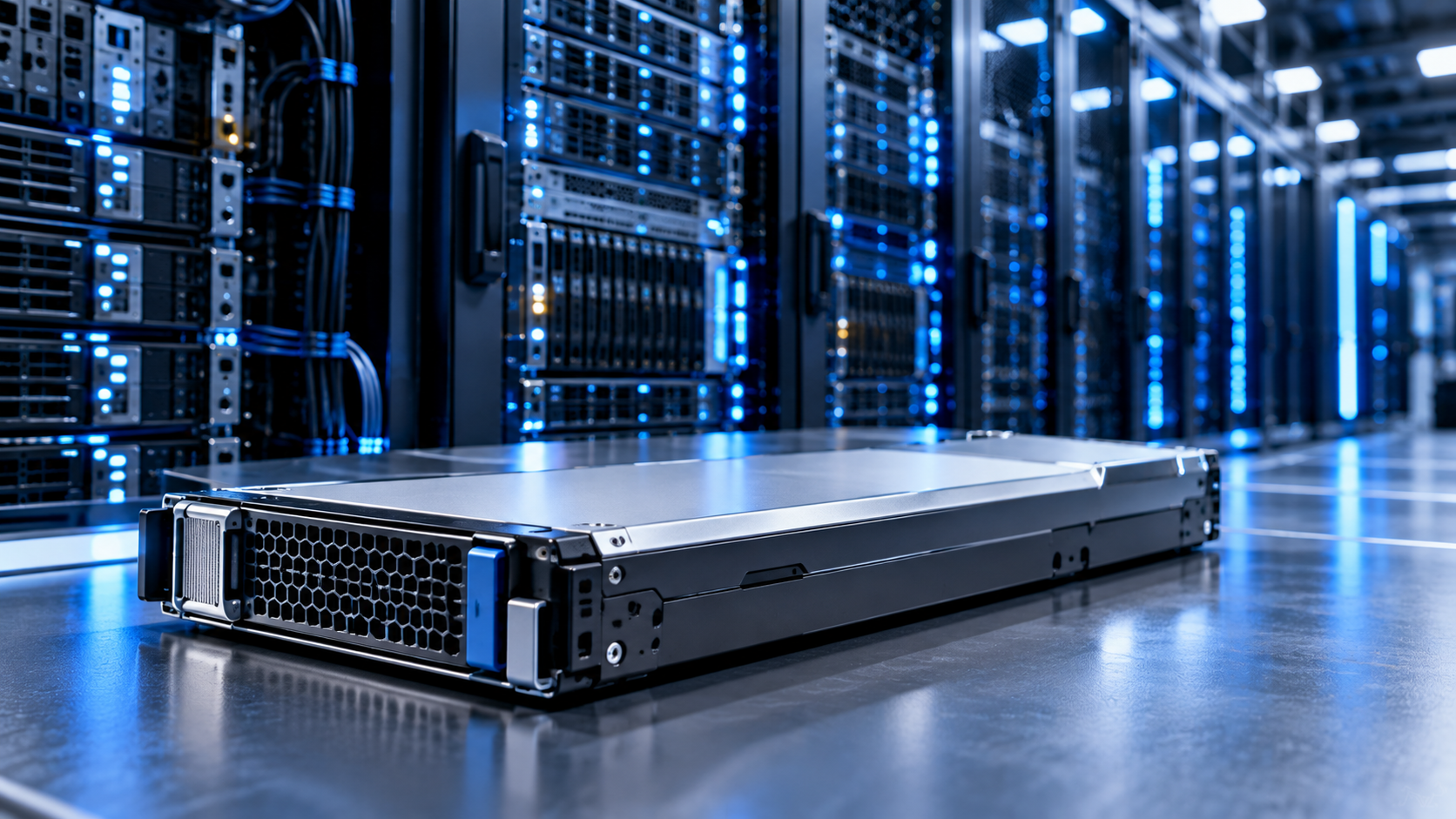
A software-and-storage approach to the AI memory bottleneck
ADATA announced the upgraded TRUSTA AI Scaler Toolkit on 18 November 2026, ahead of its demonstration at Supercomputing 2026 (SC26) in Chicago. TRUSTA is ADATA’s enterprise storage brand. The announcement describes a toolkit that combines vLLM-based KV-cache offloading with GPU memory, system DRAM and TRUSTA PCIe Gen5 enterprise SSDs.
The practical target is on-premises AI inference: serving models that process long documents, extended conversations or multiple requests without keeping every reusable context block in the GPU’s limited high-bandwidth memory. ADATA says the toolkit can move cache data to DRAM and SSD, then reload it when needed instead of recomputing the same context.
This is an enterprise deployment announcement, not a new consumer M.2 SSD launch. The company did not announce an Egyptian retail launch, local price, public general-availability date or download link for the toolkit, or a compatibility list for ordinary gaming PCs.
Why GPU memory, DRAM and SSD are being used together
During language-model inference, the system maintains a key-value cache (usually shortened to KV cache) containing intermediate attention data associated with tokens already processed. Reusing that data can avoid repeating work when a request continues or a compatible prefix appears again. Long contexts and multi-turn sessions can make the cache large.
GPU memory
The active working set stays close to the accelerator. This is the fastest tier, but capacity is limited and expensive.
System DRAM
Host memory provides a larger cache tier. Data must still be transferred back toward the GPU before it can be used by the accelerator.
Enterprise SSD
TRUSTA says its NVMe tier can retain cache data across restarts. SSD storage offers much greater capacity, but it is slower than DRAM and GPU memory.
Important distinction: offloading KV cache can reduce repeated computation and relieve pressure on GPU memory. It does not increase the physical VRAM installed on a graphics card, and it cannot make SSD access as fast as GPU memory.
The current vLLM KV Offloading Usage Guide explains the general design: completed cache blocks can be moved to larger, slower tiers and promoted back when needed. Its documentation also notes that secondary-tier transfers are staged through the CPU tier. TRUSTA’s announcement describes its own integration and should not be read as proof that every vLLM deployment uses the same configuration.
What does the advertised “up to 25%” improvement actually mean?
TRUSTA also describes a Strata inference-engine path using Intel Advanced Matrix Extensions (AMX) on supported Intel Xeon processors. The company advertises up to 25% faster prompt prefill in a specific test. The published test notes are essential to interpreting that number.
| Test condition | Company-reported result | What it does not prove |
|---|---|---|
| Single input of about 8K tokens | Approximately 11% faster prefill | Not a general 11% faster response for every model |
| Multi-turn conversation with about 4K new tokens per turn | Approximately 25% faster prefill | Not a universal 25% increase in end-to-end throughput |
| Single input above about 12K tokens | No significant difference reported | Longer prompts do not automatically benefit more |
ADATA says the comparison used its AMX-enabled version of Strata against upstream Strata v0.2.11, on an Intel Xeon w5-3535X with one NVIDIA RTX 6000 Ada GPU, running a mixture-of-experts language model. Only the prefill stage was measured; each test ran at least three times and the median was reported.
These are vendor-reported internal results, not independent benchmark findings. They depend on the model, hardware, input length and software configuration. Intel describes AMX as an integrated matrix accelerator on supported Xeon Scalable processors; it is not a feature that should be assumed to exist on every Intel Core desktop CPU. See Intel’s AMX overview.
The enterprise components shown alongside the toolkit
ADATA says the SC26 demonstration also includes TRUSTA PCIe Gen5 enterprise SSDs and DDR5 registered DIMMs (R-DIMMs). The release lists the following manufacturer specifications:
- TD7P51 ECO / T7P5 enterprise SSDs: capacities up to 15.36TB, U.2, E1.S and E3.S form factors, and endurance up to 3 drive writes per day (DWPD).
- Power and efficiency: below 20W power consumption and a claimed 1.7× energy-efficiency improvement against comparable products. This is an ADATA/TRUSTA comparison, not an independently verified universal result.
- DDR5 R-DIMM: speeds up to 6,400MT/s and capacities up to 128GB per module, with ECC.
These are server-oriented components. U.2 and E1.S/E3.S drives are not interchangeable with a standard M.2 2280 desktop SSD, and registered ECC memory requires a compatible server/workstation platform. A typical gaming motherboard and unbuffered desktop DDR5 kit are not a drop-in match.
Should a PC builder buy more RAM or a faster SSD for local AI?
Not on the strength of this announcement alone. TRUSTA is presenting an integrated enterprise toolkit, storage and server-memory workflow. It is not announcing a Windows utility that automatically turns any NVMe drive into extra GPU memory.
- For gaming PCs: there is no direct gaming-FPS benefit. This announcement is about serving AI models, not game rendering.
- For a home local-AI workstation: GPU VRAM capacity, supported model formats, system RAM and the inference software remain important. Offloading may help particular workloads, but it adds data movement and can increase latency.
- For studios and system integrators: if several users share an on-premises model or work with long contexts, it may be worth evaluating cache reuse and storage tiers before assuming that adding another GPU is the only route to capacity.
- For server builds: check CPU support for AMX, RDIMM compatibility, drive form factor, PCIe lanes, backplane, cooling, endurance and the software stack as one system.
For background on other approaches, see Alfrensia’s coverage of ATTO SiliconDisk shared DRAM over 400GbE, llama.cpp and local AI on a PC, and the SGLang inference ecosystem. They address related AI infrastructure questions, but they are not the same product or storage design.
Egypt availability: the announcement confirms a demonstration at SC26 in Chicago, November 17–19, 2026, at booth 7214. It does not provide an Egyptian distributor, local stock, EGP pricing or a consumer release date. No foreign price or availability should be treated as an Alfrensia offer.
Independent testing and compatibility matter more than the headline
The next useful evidence would be independent testing across different models and prompt lengths, measured end-to-end time-to-first-token and token throughput, published software requirements, and confirmed product availability. Until then, the strongest conclusion is that AI inference is increasingly being designed around a hierarchy of compute, memory and storage rather than GPU capacity alone.
TRUSTA AI Scaler: استخدام DRAM وSSD لتوسيع ذاكرة نماذج الذكاء الاصطناعي
ADATA بتعرض إصدار مطوّر من AI Scaler Toolkit بينقل جزء من KV Cache خارج ذاكرة كارت الشاشة، إلى RAM النظام ووحدات SSD المخصصة للسيرفرات. الفكرة مفيدة لبعض أحمال تشغيل نماذج AI الطويلة، لكنها مش بتحوّل الـ SSD إلى VRAM ومش معناها إن أي كمبيوتر هيبقى أسرع.
حل برمجي بيستخدم GPU وRAM وSSD مع بعض
شركة ADATA أعلنت يوم ١٨ نوفمبر ٢٠٢٦ عن النسخة المطوّرة من TRUSTA AI Scaler Toolkit، واللي بتعرضها خلال مؤتمر Supercomputing 2026 (SC26) في شيكاغو. TRUSTA هي العلامة المتخصصة في حلول التخزين المؤسسي التابعة لـ ADATA.
الفكرة الأساسية هي دمج آلية KV Cache Offloading في vLLM مع ثلاث طبقات: ذاكرة كارت الشاشة، وذاكرة النظام DRAM، ووحدات SSD مؤسسية PCIe Gen5. وبدل ما النظام يعيد حساب سياق طويل سبق معالجته، الشركة بتقول إنه يقدر يسترجع أجزاء من الـ Cache من طبقات التخزين الأكبر لما يحتاجها.
ده إعلان موجه لسيرفرات وتشغيل نماذج AI داخل الشركات، مش إطلاق SSD M.2 عادي للمستهلكين. كمان الإعلان ماحددش سعر بالجنيه، أو موزع في مصر، أو موعد إتاحة عامة للـ Toolkit، أو رابط تنزيل مباشر، أو قائمة توافق لأجهزة Gaming العادية.
ليه بنستخدم GPU Memory وDRAM وSSD في نفس النظام؟
أثناء تشغيل نماذج اللغة، النظام بيحتفظ ببيانات وسيطة مرتبطة بالتوكنز اللي اتعالجت قبل كده. البيانات دي اسمها KV Cache. الاحتفاظ بيها وإعادة استخدامها ممكن يقلل تكرار الحسابات لما المحادثة تكمل أو لما طلب جديد يستخدم جزء متشابه من السياق. المشكلة إن المستندات الطويلة والمحادثات متعددة المراحل ممكن تكبّر حجم الـ Cache جدًا.
GPU Memory
الجزء النشط بيفضل قريب من المعالج الرسومي، ودي أسرع طبقة، لكن سعتها محدودة وتكلفتها عالية.
System DRAM
رام الجهاز بتوفر مساحة أكبر كطبقة Cache وسيطة، لكن البيانات لازم تنتقل تاني ناحية الـ GPU قبل استخدامها هناك.
Enterprise SSD
TRUSTA بتقول إن طبقة NVMe تقدر تحتفظ بالـ Cache بعد إعادة تشغيل السيرفر. التخزين بيوفر سعات أكبر، لكنه أبطأ من DRAM وذاكرة الـ GPU.
مهم نفرّق: نقل KV Cache لطبقات تخزين أكبر ممكن يقلل إعادة الحساب ويخفف الضغط على ذاكرة الـ GPU، لكنه مش بيزوّد VRAM الفعلية الموجودة على كارت الشاشة، ومش بيخلي الـ SSD بسرعة ذاكرة كارت الشاشة.
دليل vLLM الرسمي لخاصية KV Offloading بيشرح الفكرة العامة: أجزاء من الـ Cache ممكن تنتقل إلى طبقات أكبر وأبطأ، وبعدين ترجع للـ GPU عند الحاجة. الدليل بيوضح كمان إن النقل من الطبقات الثانوية بيتم من خلال طبقة CPU. لكن ده مش معناه إن كل إعدادات vLLM بتستخدم نفس تكوين TRUSTA المعلن.
رقم 25% أسرع معناه إيه بالضبط؟
ADATA بتعرض كمان مسار تشغيل باستخدام محرك Strata مع تقنية Intel Advanced Matrix Extensions أو AMX على معالجات Intel Xeon المدعومة. الشركة بتعلن عن تحسن يصل إلى 25% في مرحلة تجهيز الـ Prompt، لكن تفاصيل الاختبار مهمة جدًا قبل تعميم الرقم.
| ظروف الاختبار | نتيجة الشركة | اللي الرقم مش بيثبته |
|---|---|---|
| إدخال واحد حوالي 8K tokens | تحسن يقارب 11% في prefill | مش معناه إن كل موديل هيستجيب أسرع 11% |
| محادثة متعددة المراحل، حوالي 4K توكن جديد في كل مرحلة | تحسن يصل إلى 25% في prefill | مش زيادة عامة 25% في سرعة كل الاستجابات |
| إدخال واحد أكبر من حوالي 12K tokens | لم يظهر فرق كبير | الـ Prompt الأطول مش بالضرورة يستفيد أكتر |
حسب ملاحظات ADATA، المقارنة كانت بين نسخة Strata المدعومة بـ AMX داخل AI Scaler Toolkit ونسخة Strata v0.2.11 الأصلية. منصة الاختبار استخدمت Intel Xeon w5-3535X مع كارت NVIDIA RTX 6000 Ada واحد، وشغّلت نموذج لغة من نوع Mixture-of-Experts. القياس اقتصر على مرحلة prefill، وكل اختبار اتكرر ثلاث مرات على الأقل واتحسبت النتيجة الوسيطة.
دي نتائج داخلية معلنة من الشركة، مش اختبارات مستقلة. النتيجة بتختلف حسب الموديل والهاردوير وطول الإدخال وإعدادات البرنامج. وIntel بتوضح إن AMX مسرّع مدمج في أجيال معينة من Xeon Scalable؛ ماينفعش نفترض إنه موجود في كل معالج Intel Core مكتبي. تقدر تراجع شرح Intel الرسمي لتقنية AMX.
المكونات المؤسسية اللي ADATA بتعرضها مع النظام
الإعلان بيذكر كمان وحدات SSD مؤسسية PCIe Gen5 وذاكرة DDR5 Registered DIMM أو R-DIMM. ودي المواصفات اللي الشركة أعلنتها:
- وحدات TD7P51 ECO / T7P5: سعات تصل إلى 15.36TB، وبأحجام U.2 وE1.S وE3.S، وتحمل كتابة يصل إلى 3 مرات من سعة الوحدة يوميًا (DWPD).
- استهلاك الطاقة والكفاءة: أقل من 20W، مع ادعاء من الشركة بتحسن كفاءة الطاقة بمقدار 1.7 مرة مقارنة بمنتجات مشابهة. دي مقارنة معلنة من ADATA وليست نتيجة مستقلة لكل الاستخدامات.
- ذاكرة DDR5 R-DIMM: سرعات تصل إلى 6,400MT/s وسعات حتى 128GB للوحدة، مع دعم ECC.
دي مكونات موجهة للسيرفرات ومحطات العمل المؤسسية. وحدات U.2 وE1.S وE3.S مش نفس شكل أو توصيل SSD M.2 2280 العادي، وذاكرة Registered ECC محتاجة منصة متوافقة. بالتالي مش هتكون بديل مباشر لرام DDR5 المكتبية على لوحة Gaming عادية.
هل نشتري RAM أكبر أو SSD أسرع علشان نشغّل AI محليًا؟
مش بناءً على الإعلان ده لوحده. TRUSTA بتعرض مجموعة متكاملة من البرامج والتخزين وذاكرة السيرفرات. ده مش برنامج Windows عادي بيحوّل أي NVMe إلى ذاكرة إضافية لكارت الشاشة.
- لأجهزة Gaming: مفيش تأثير مباشر على FPS؛ الإعلان متعلق بتشغيل نماذج AI مش برندر الألعاب.
- لجهاز Local AI في البيت: سعة VRAM، وصيغ الموديلات المدعومة، وRAM النظام وبرنامج التشغيل لسه عوامل أساسية. Offloading ممكن يساعد في حالات معينة، لكنه بيضيف نقل بيانات وممكن يزود زمن الاستجابة.
- للاستوديوهات وشركات التجميع: لو أكتر من مستخدم بيشغّل نفس النموذج أو فيه مستندات وسياقات طويلة، دراسة إعادة استخدام الـ Cache وطبقات التخزين ممكن تكون خطوة منطقية قبل افتراض إن الحل الوحيد هو شراء GPU إضافي.
- لتجميع سيرفر: لازم تراجع دعم AMX في المعالج، وتوافق R-DIMM، وشكل وحدة التخزين، وعدد مسارات PCIe، والـ backplane والتبريد والبرنامج كمنظومة واحدة.
للمقارنة بين طرق مختلفة، تقدر تقرأ تغطية المؤسسة الفرنسية عن ATTO SiliconDisk وتخزين DRAM مشترك عبر 400GbE، وllama.cpp وتشغيل AI محليًا على الكمبيوتر، وكمان منظومة SGLang لتشغيل نماذج AI. الموضوعات مرتبطة بالبنية التحتية للذكاء الاصطناعي، لكن كل واحدة بتعالج تصميم مختلف.
التوفر في مصر: الإعلان بيؤكد عرض الحل في مؤتمر SC26 في شيكاغو خلال الفترة من 17 إلى 19 نوفمبر 2026، في جناح رقم 7214. لكنه ما أعلنش عن موزع في مصر، أو مخزون محلي، أو سعر بالجنيه، أو موعد طرح للمستهلكين. أي سعر أو توافر في سوق أجنبي مش عرض تابع للمؤسسة الفرنسية للكمبيوتر.
الاختبارات المستقلة والتوافق أهم من الرقم التسويقي
الخطوة المهمة بعد الإعلان هي ظهور اختبارات مستقلة على موديلات مختلفة وأطوال Prompts متعددة، مع قياس زمن أول Token وسرعة التوليد الكاملة، بالإضافة إلى نشر متطلبات البرنامج والتوافق وتأكيد التوفر التجاري. الخلاصة الحالية إن تشغيل نماذج AI بيتجه أكتر لتصميم منظومة متكاملة من المعالجة والذاكرة والتخزين، مش الاعتماد على سعة GPU وحدها.