


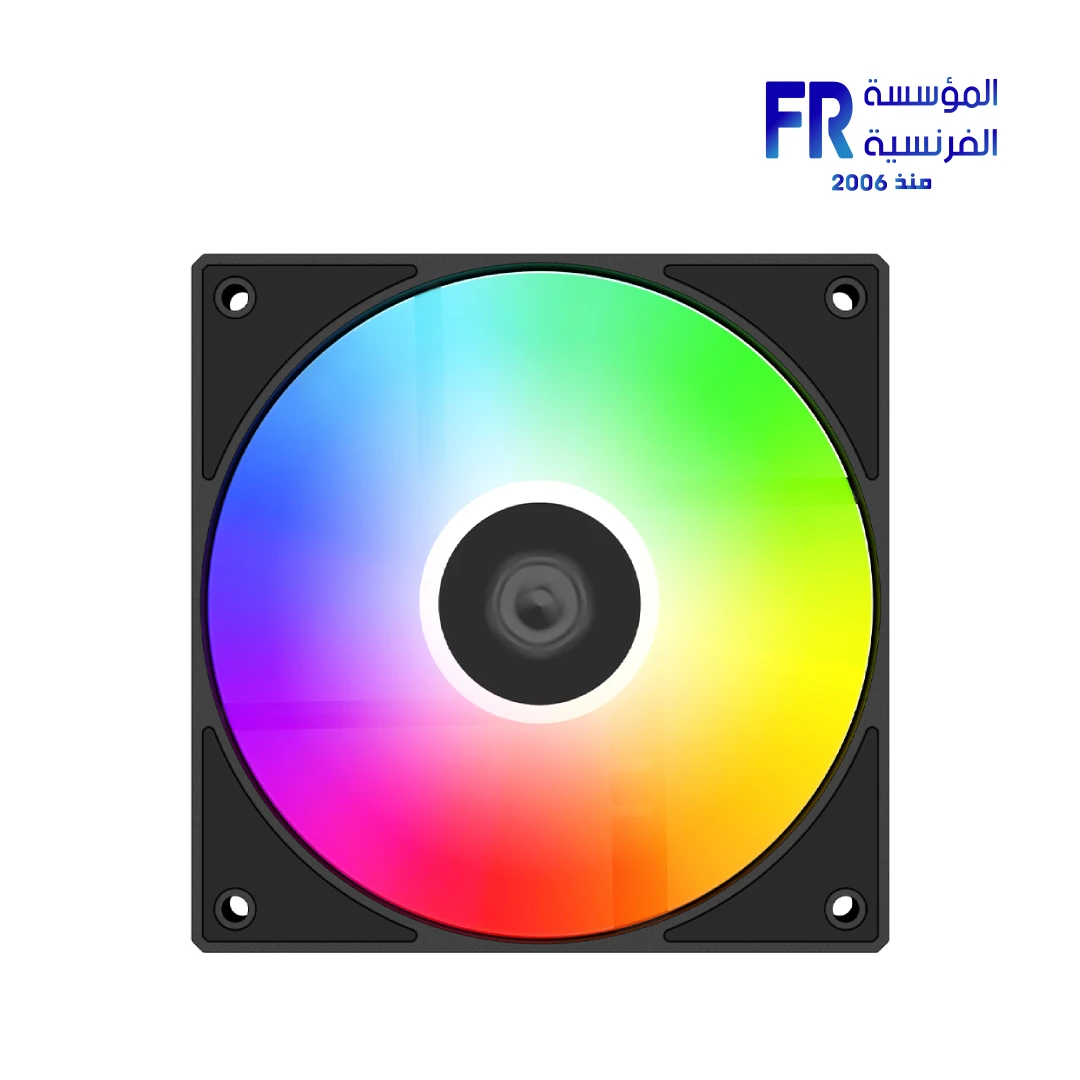
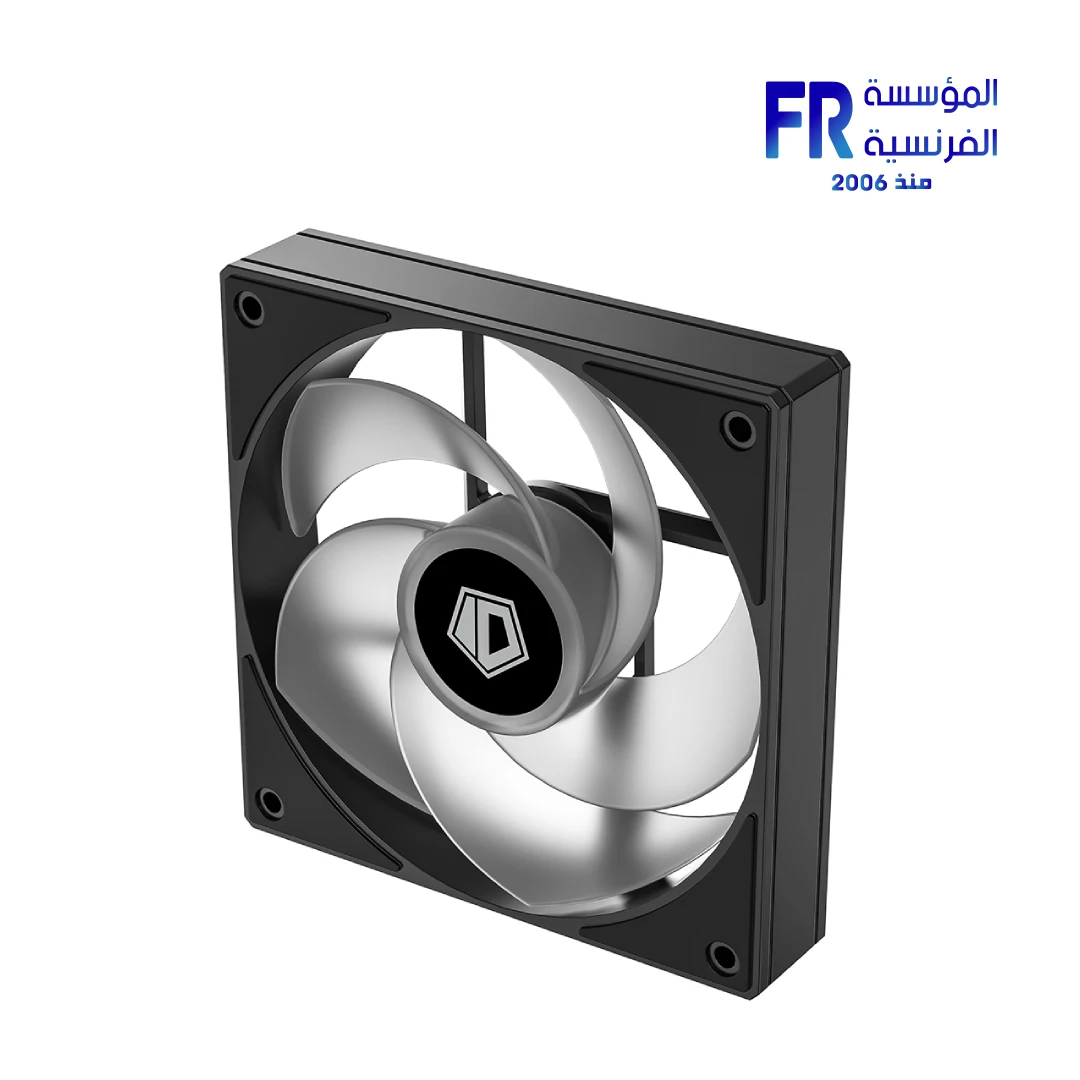
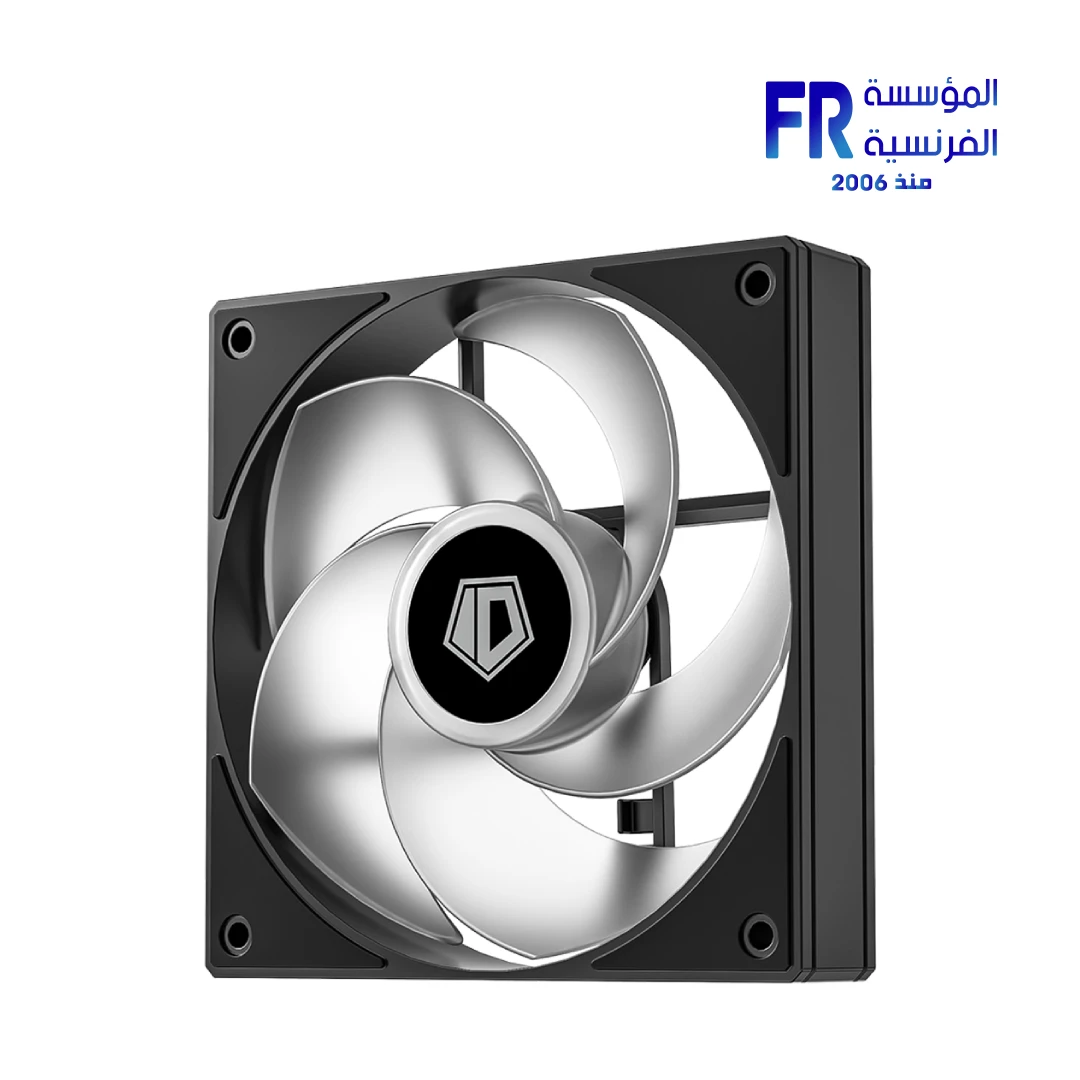
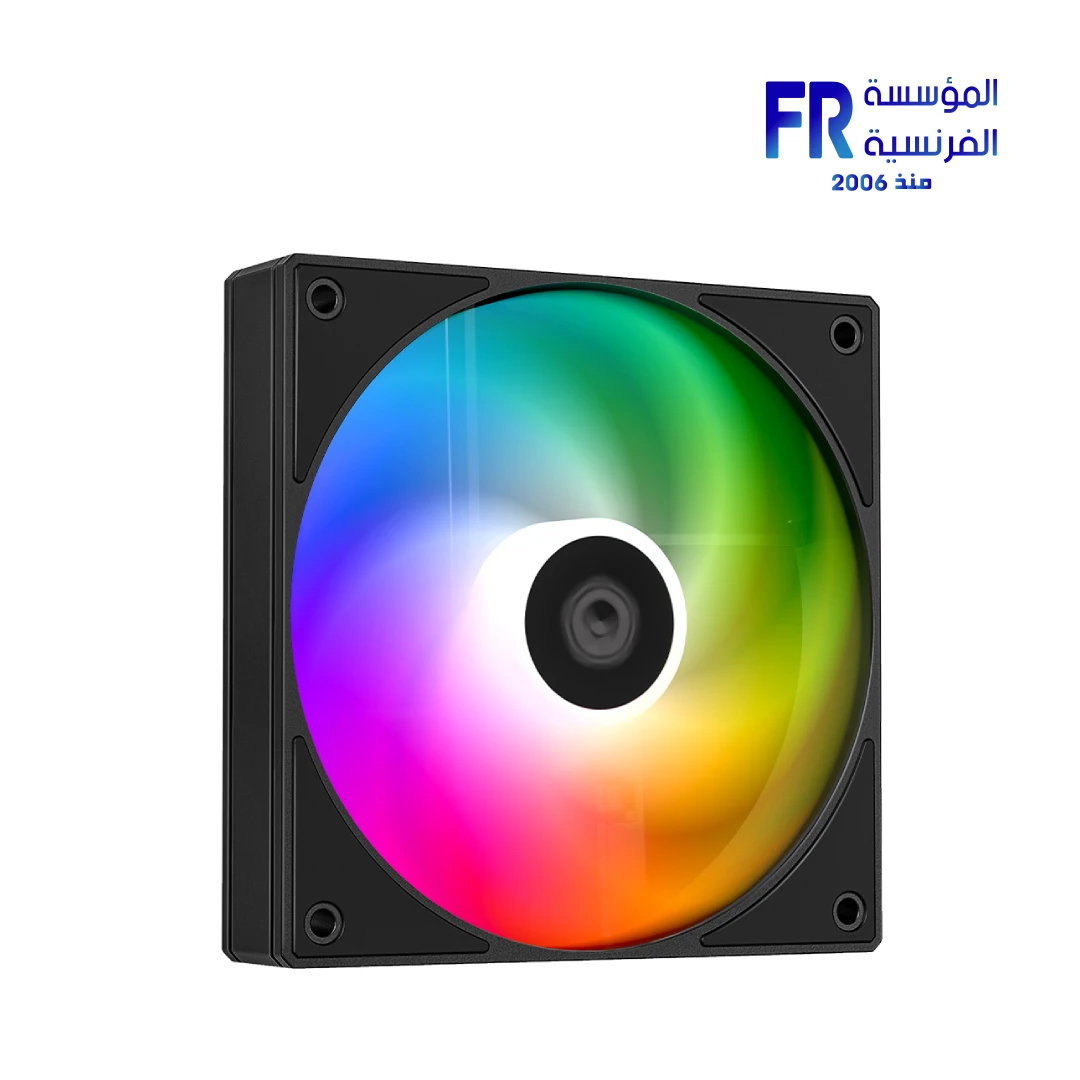
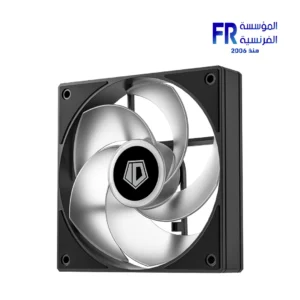
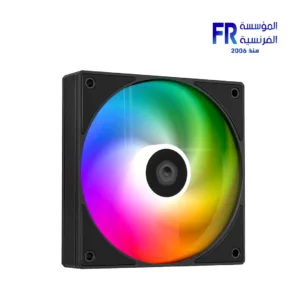


ID-COOLING AS-120-ARGB-KR 120mm 2000 RPM 53 CFM 4 Pin PWM ARGB Reverse Blade Black Case Fan
337 EGP
- Part Number: AS-120-ARGB-KR
- Fan Specs: 120x120x25mm | Reverse Blade | 300–2000 RPM | 53 CFM | 1.67mmH2O | 28.3dB(A) Max | Hydraulic Bearing
- Connectivity: 4-Pin PWM | 3-Pin 5V ARGB | 12VDC | 1.8W
- Pack Contents: 1x Fan
- Warranty: 1 Year
In stock
Price Match Guarantee✅ Authorized ID-COOLING Partner in Egypt | Official Warranty Coverage | Expert PC Building Consultation Available
ID-COOLING AS-120-ARGB-KR 120mm 2000 RPM 53 CFM 4 Pin PWM ARGB Reverse Blade Black Case Fan
ID-COOLING AS-120-ARGB-KR is a 120mm ARGB PWM case fan with reverse fan blades. It delivers up to 53 CFM airflow and 1.67 mmH2O static pressure, with a speed range of 300-2000 RPM and a maximum noise level of 28.3 dB(A). Because it uses a hydraulic bearing and dual 4-pin PWM / 3-pin 5V ARGB connectors, it works with modern motherboards for both speed and lighting control. Available at Alfrensia for 500 EGP.
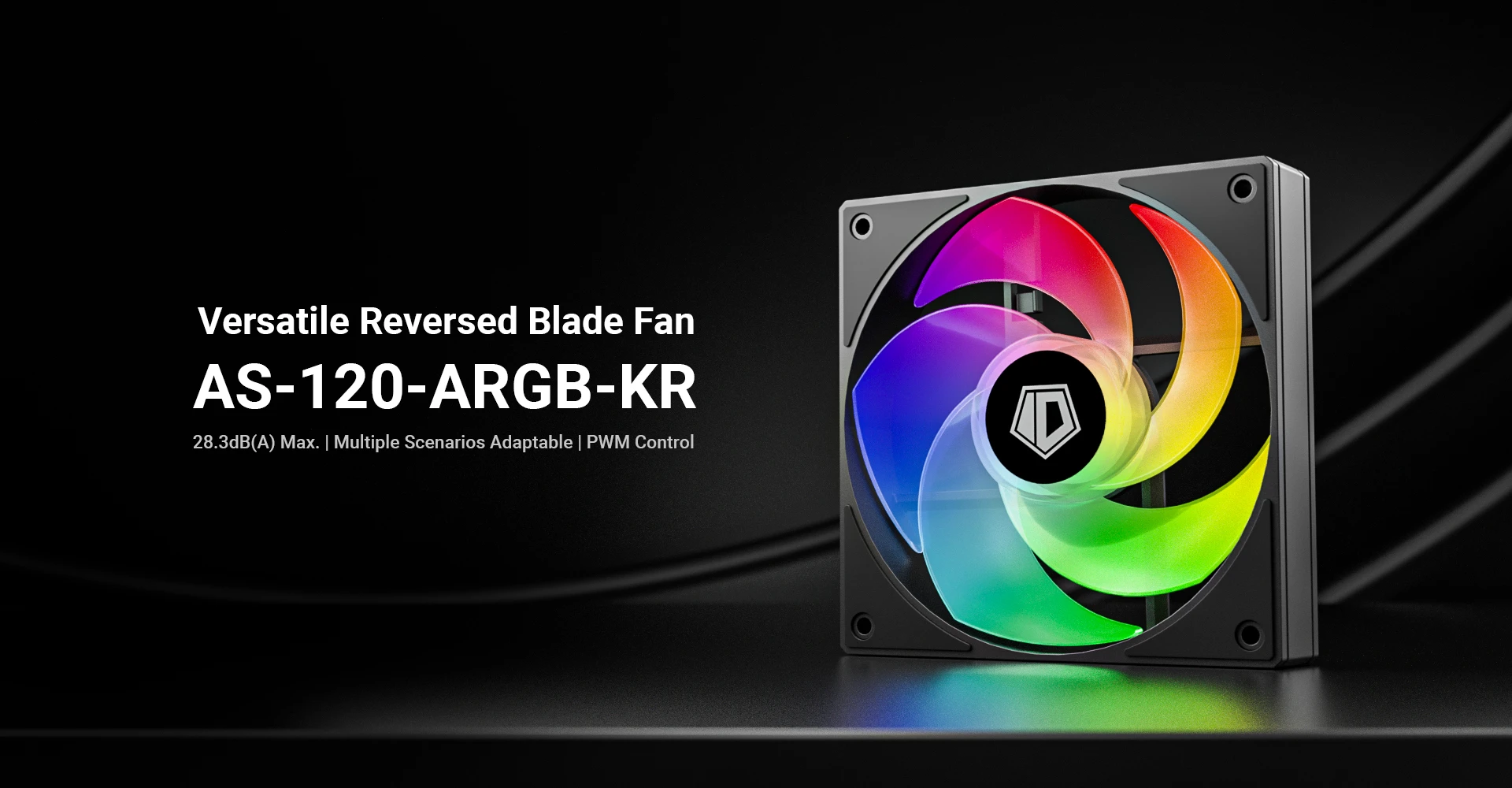
⚡ Engineering Highlights at a Glance:
- Reverse Blade Design: Because the blades are reversed, the fan pulls air from the front and pushes it out the back. This means you can mount it as intake without flipping the frame, which keeps the visible fan face on the inside of the case.
- Hydraulic Bearing: The sealed bearing circulates lubricant around the shaft, which reduces friction noise and extends fan lifespan compared to sleeve bearings.
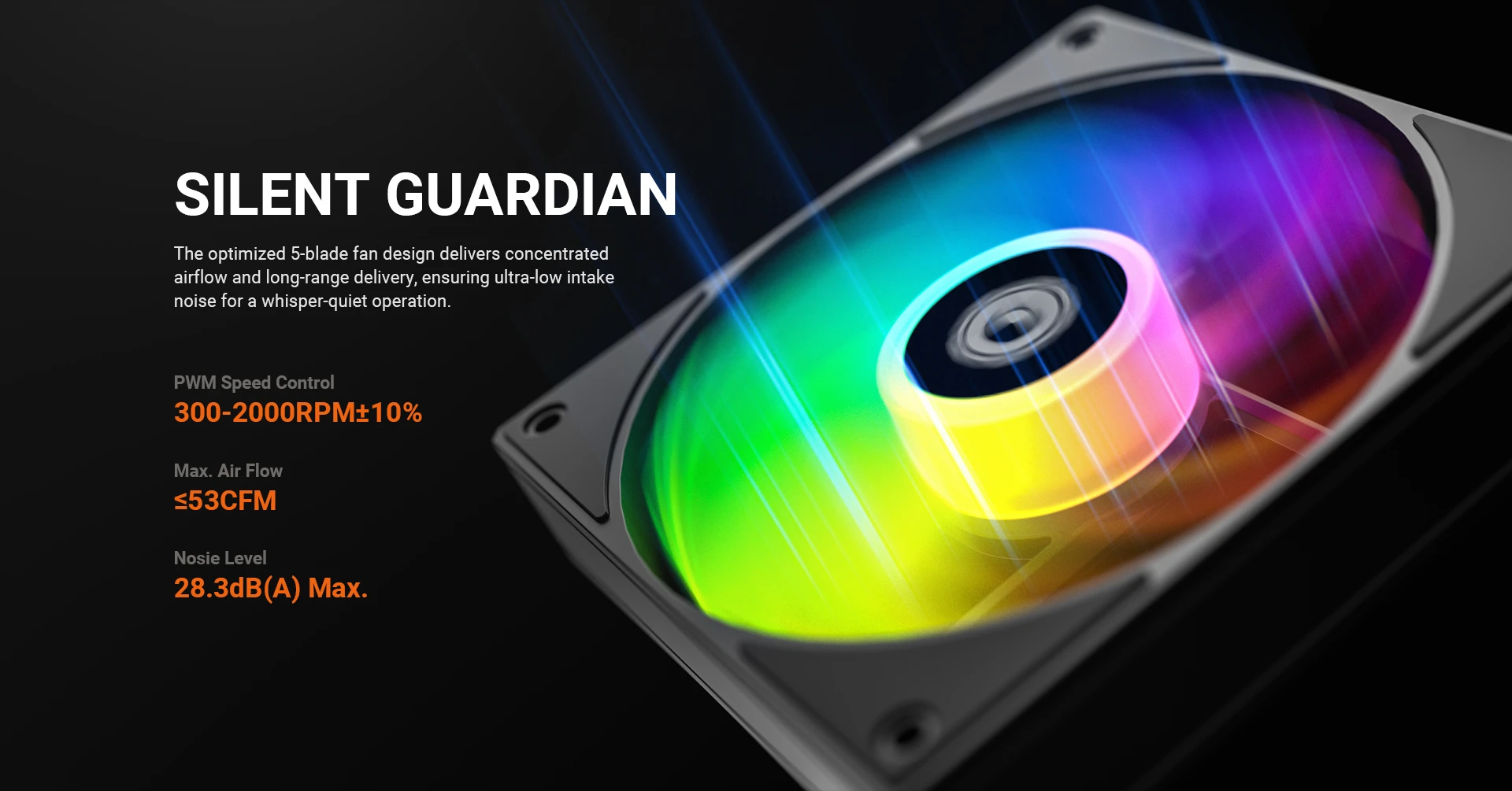
- 300-2000 RPM Range: PWM control lets the motherboard lower fan speed at idle, so the fan runs quietly and ramps up only when needed.
- 53 CFM Airflow: Balanced airflow for case intake and exhaust where the air path is relatively open.
- 1.67 mmH2O Static Pressure: Adequate for mesh front panels and standard-thickness radiators.
- ARGB Lighting: 3-pin 5V addressable RGB connector syncs with ASUS Aura, MSI Mystic Light, Gigabyte RGB Fusion, and ASRock Polychrome.
- Dual Connectors: Each fan uses a 4-pin PWM connector for speed and a separate 3-pin 5V ARGB connector for lighting.
Reverse Blade Design Explained
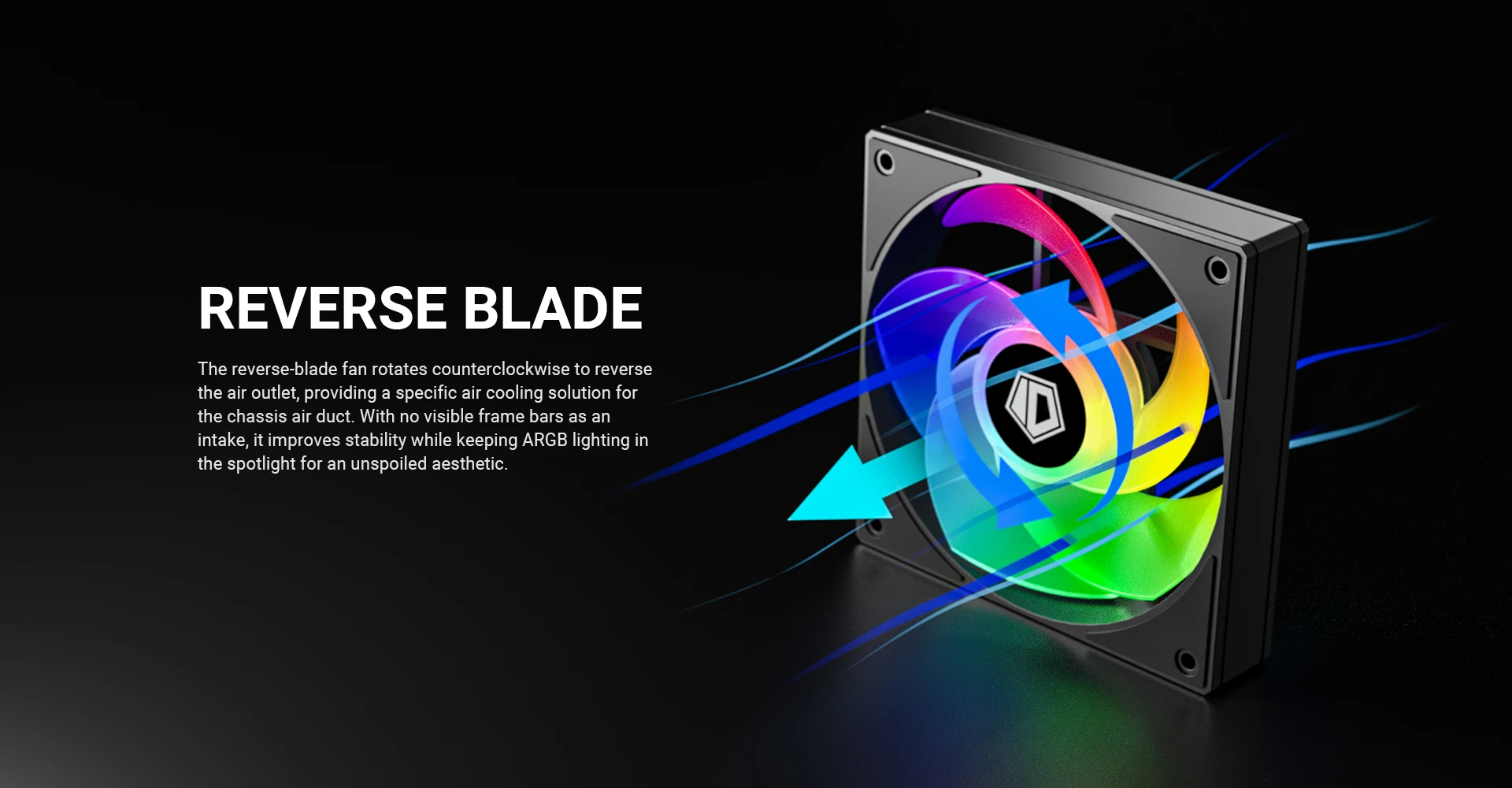
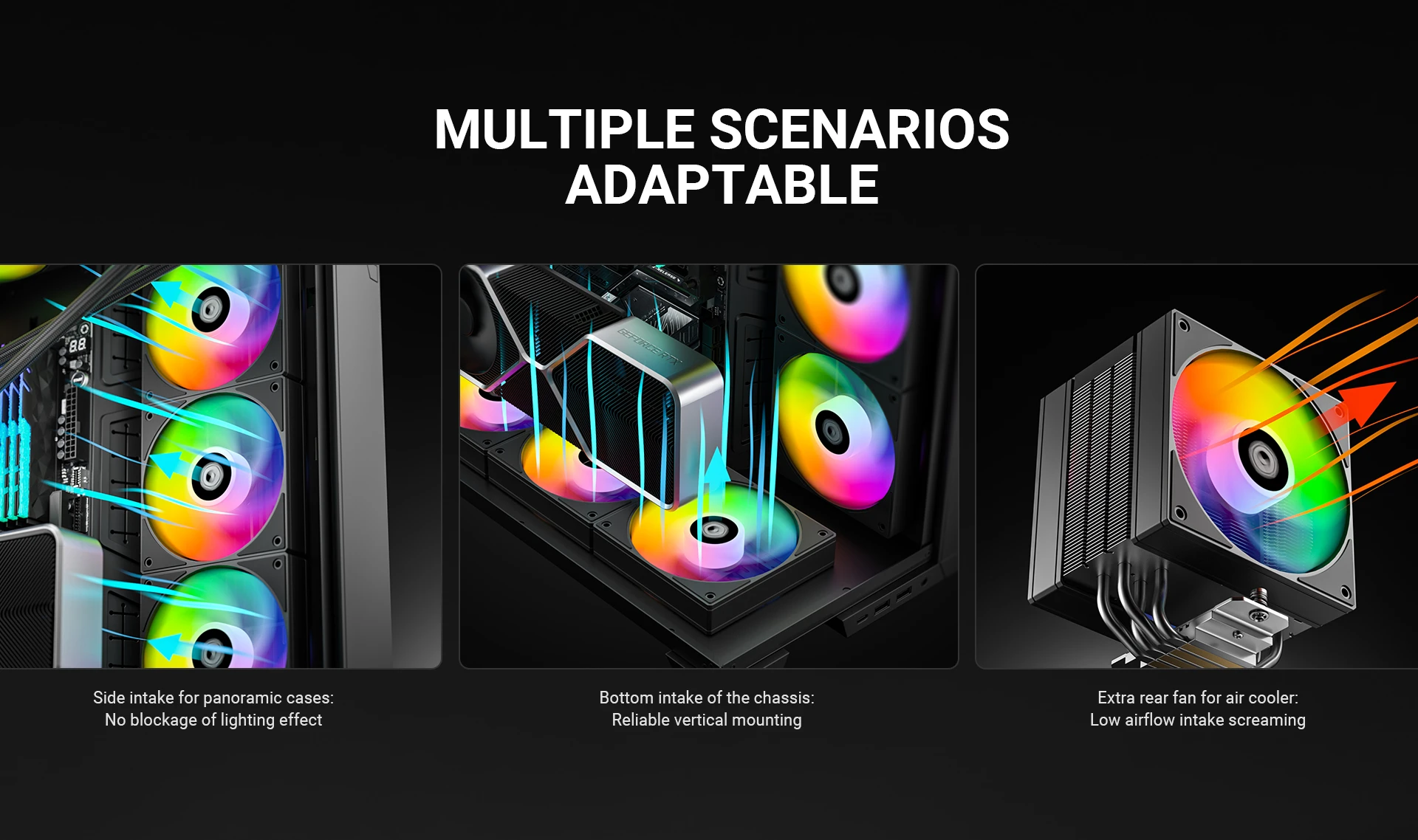
Standard fans push air from the front face to the back face. When you install them as intake, the visible motor hub and blade structure face outward, so the fan frame and hub sit between the viewer and the airflow. The AS-120-ARGB-KR reverses that. Because the blades are reversed, the fan pulls air from the front face and pushes it out the back, which means you can mount it as intake with the clean side of the fan facing into the case. As a result, the internal build looks cleaner, and the fan’s hub does not intrude visually. This is useful for cases with side intake mounts or vertical GPU setups where the internal fan face is visible.
Hydraulic Bearing and PWM Control
The fan uses a hydraulic bearing, which keeps the shaft lubricated with a sealed reservoir of oil. Because the oil reduces metal-to-metal contact, the bearing produces less friction noise than a sleeve bearing and lasts longer than a standard ball bearing in most conditions. In addition, the sealed design keeps dust out of the bearing chamber, which is useful in dusty environments. The 4-pin PWM connector lets the motherboard adjust fan speed based on system temperature. Because the fan can run as low as 300 RPM, it stays quiet during idle. At 2000 RPM, it produces 53 CFM airflow for load conditions.
ARGB Lighting and Dual Connectors
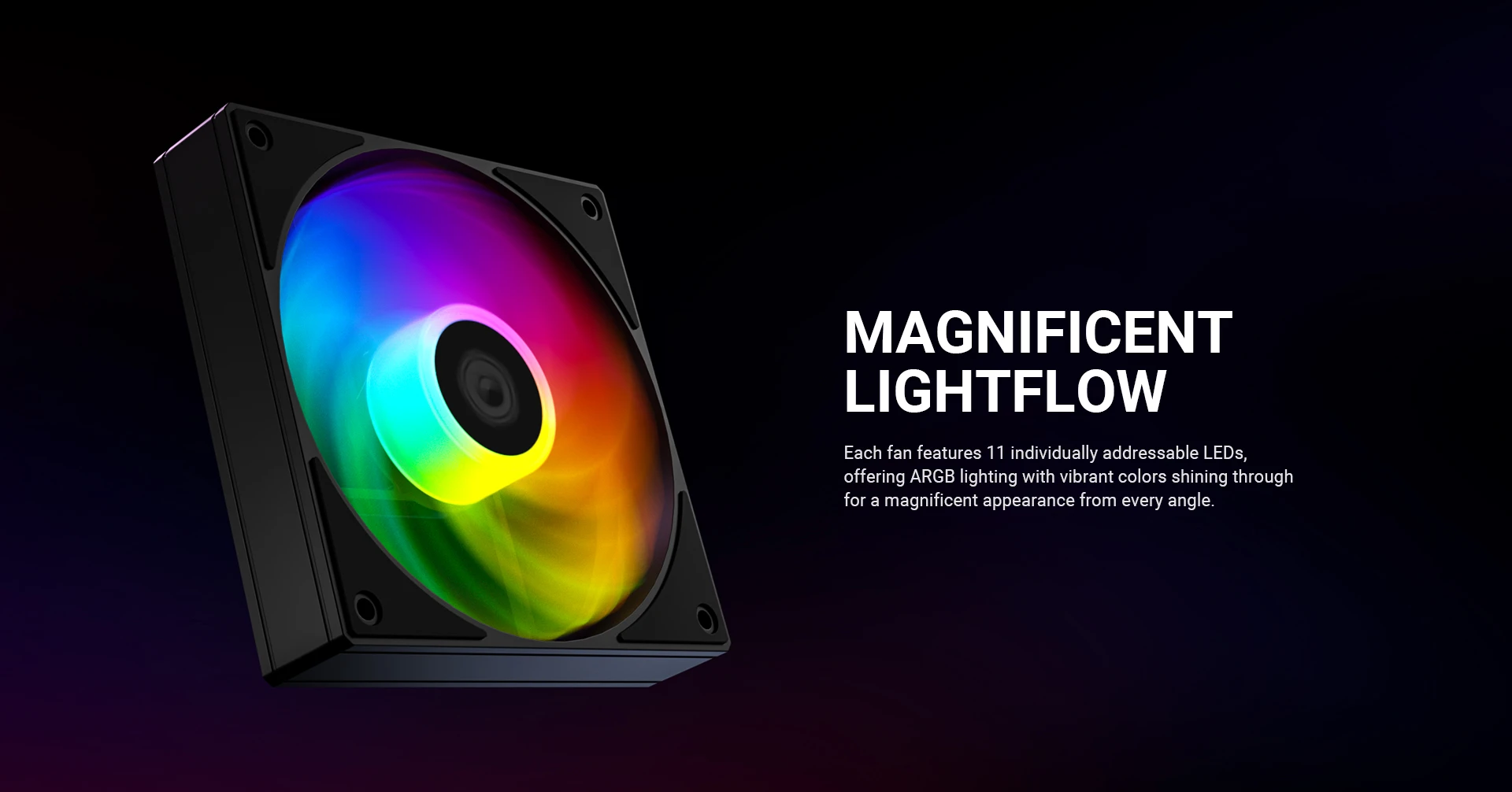
The fan uses two separate connectors. The 4-pin PWM connector powers the fan motor and lets the motherboard control speed based on a temperature curve. The 3-pin 5V ARGB connector controls the addressable RGB lighting. Because the two connectors are independent, you can adjust fan speed and lighting effects separately. If your motherboard has a 5V 3-pin ARGB header, you can sync the fan lighting with the rest of your system using software like ASUS Aura Sync, MSI Mystic Light, Gigabyte RGB Fusion, or ASRock Polychrome. If your motherboard lacks an ARGB header, the fan will still spin and function, but the lighting will not be customizable.
Who is the AS-120-ARGB-KR For?
Expert Advice & Build Considerations
Reverse Blade Airflow Direction
Because the blades are reversed, the airflow direction is opposite to a standard fan. Air enters from the front face and exits through the back face. Therefore, if you mount this fan as exhaust, the visible side will face outward, which defeats the purpose of the reverse design. For best visual results, use it as intake in positions where the fan face is visible.
ARGB vs. RGB Compatibility
The AS-120-ARGB-KR uses 5V 3-pin addressable RGB, not 12V 4-pin RGB. Because the two standards are not compatible, connecting the ARGB cable to a 12V RGB header can damage the LEDs. Verify the header type on your motherboard before connecting.
📐 Radiator and Mesh Panel Use
At 1.67 mmH2O static pressure and 53 CFM, the fan works well as a case intake or exhaust fan through mesh panels. For radiator use, expect adequate performance on standard-thickness radiators, but fans with higher static pressure ratings are preferable for thick or high-FPI radiators. When mounting on a radiator, orient the fan so the airflow direction matches the radiator’s intended airflow path.
Technical Specifications
| Model | AS-120-ARGB-KR |
| Brand | ID-COOLING |
| SKU / MPN | AS-120-ARGB-KR |
| EAN | 6931393308524 |
| Fan Type | Reverse Blade |
| Fan Dimensions | 120 x 120 x 25 mm |
| Fan Speed | 300-2000 RPM ±10% |
| Max Airflow | 53 CFM |
| Max Static Pressure | 1.67 mmH2O |
| Noise Level | 28.3 dB(A) Max |
| Bearing Type | Hydraulic Bearing |
| Connector | 4-Pin PWM / 3-Pin 5V ARGB |
| Rated Voltage | 12 VDC |
| Operating Voltage | 10.8-13.2 VDC |
| Starting Voltage | 7 VDC |
| Rated Current | 0.15 A |
| Power Input | 1.8 W |
| Weight | 180 g |
Expert Recommendation: Getting the Most from Your AS-120-ARGB-KR
Because the fan uses reversed blades, use it as an intake fan where the internal fan face is visible. This takes advantage of the clean visual appearance and keeps the fan hub out of sight. Before installing, confirm the airflow direction arrow on the frame, because reverse blade fans often have an arrow that points in the opposite direction from a standard fan. Plan your cable routing with the two cables in mind: the 4-pin PWM cable connects to a motherboard fan header, and the 3-pin 5V ARGB cable connects to a 5V 3-pin header. If you plan to use multiple fans, use a fan splitter or hub for the PWM cables and an ARGB splitter or hub for the ARGB cables. In the BIOS or motherboard software, set a fan curve that keeps the fan below 1000 RPM at idle and ramps up under load. Clean the fan blades and bearing area periodically with compressed air to prevent dust buildup, which can increase noise and reduce airflow over time. Verify your motherboard’s ARGB header type before connecting: 5V 3-pin ARGB, not 12V 4-pin RGB.
Frequently Asked Questions
What is a reverse blade fan, and why would I use one?
A reverse blade fan has its blades oriented so air enters from the front face and exits from the back face, opposite to a standard fan. Because of this, you can mount it as intake with the clean side facing into the case, which improves the internal appearance in builds with visible fan mounts.
Is this fan compatible with my motherboard’s ARGB header?
The fan uses a 5V 3-pin ARGB connector, which is the standard for addressable RGB. It works with motherboards that have a 5V 3-pin ARGB header. It is not compatible with 12V 4-pin RGB headers, and connecting it to a 12V header can damage the LEDs.
What is the noise level of this fan?
The rated maximum noise level is 28.3 dB(A) at 2000 RPM. At lower PWM duty cycles, the fan runs below 1000 RPM and produces less noise. With a proper fan curve, idle noise is usually inaudible in a typical room.
Can I install this fan on a radiator?
Yes. The 1.67 mmH2O static pressure and 53 CFM airflow are adequate for standard-thickness radiators. For thicker radiators or high-FPI designs, fans with higher static pressure are preferable.
How do I know which direction the air flows?
Check the airflow arrow on the fan frame. Because this is a reverse blade fan, the arrow may point in the opposite direction from a standard fan. As a general rule, air enters from the front face (the side without the frame sticker) and exits from the back face (the side with the frame sticker).
| MODEL | |
|---|---|
| Fan Size (mm) | |
| Fan Quantity | |
| Material | |
| Fan Speed | |
| Fan Profiles | |
| Fan Noise Level | |
| Fan Airflow | |
| Fan Voltage | |
| Bearing Type | |
| Software | |
| Color | |
| Part Number | |
| Warranty |
Only logged in customers who have purchased this product may leave a review.

Reviews
There are no reviews yet.