

The Boomerang CEO: When Founders Leave — and Come Back
From Steve Jobs and Sam Altman to Michael Dell and Bob Iger: the stories of leaders who left the top job, returned to it, or never came back.
المدير التنفيذي العائد: عندما يغادر المؤسسون شركاتهم ثم يعودون
من ستيف جوبز وسام ألتمان إلى مايكل ديل وبوب إيجر؛ حكايات قادة تركوا مناصبهم، وعاد بعضهم إليها، بينما اختار آخرون عدم العودة.
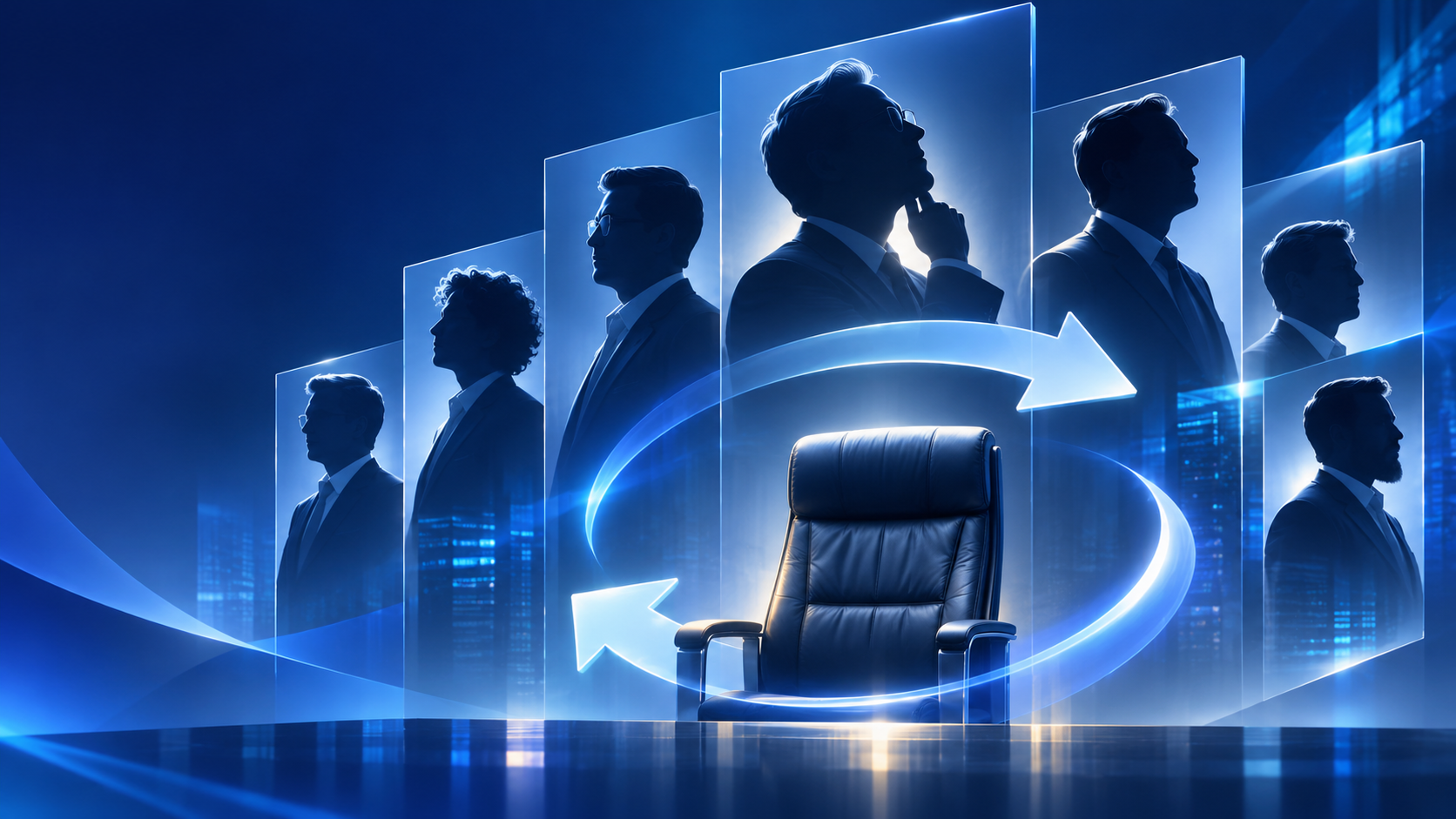
What happens when the person who built a company is no longer the person running it? Sometimes the business finds a new direction. Sometimes it struggles through a difficult transition. And sometimes the board asks a former leader to return.
These stories are often grouped together, but they are not all the same. A founder who voluntarily steps aside, a CEO removed by a board, and a leader who resigns under investor pressure have very different experiences. This article separates genuine comebacks from departures that did not end with a return.
ماذا يحدث عندما لا يعود الشخص الذي أسس الشركة هو نفسه الذي يقودها؟ أحياناً تجد الشركة طريقاً جديداً للنمو، وأحياناً تواجه مرحلة صعبة، وفي حالات أخرى يطلب مجلس الإدارة من قائد سابق العودة.
لكن هذه القصص ليست متطابقة. فهناك مؤسس يترك منصبه باختياره، ورئيس تنفيذي يقرر مجلس الإدارة استبعاده، وآخر يستقيل تحت ضغط المستثمرين. لذلك نفرّق هنا بين العودة الحقيقية وبين حالات الرحيل التي لم تنتهِ بعودة صاحبها إلى القيادة.
Leaders who returned to the topقادة عادوا إلى قمة الإدارة
Different companies, different circumstances — but one shared feature: a former leader came back to the same organization.شركات وظروف مختلفة، لكن القاسم المشترك هو عودة قائد سابق إلى الشركة نفسها.
Steve Jobs — Apple
Jobs was pushed out of Apple in 1985 after a power struggle with the company’s leadership. He went on to build NeXT and develop Pixar into a major creative force. Apple agreed to acquire NeXT in 1996, bringing Jobs back as an adviser; in 1997 he became interim CEO. His second chapter helped set the direction for products including the iMac, iPod, iPhone and iPad.
Why it matters: Time away gave Jobs experience beyond Apple’s walls — and the NeXT acquisition created the route back.
غادر ستيف جوبز آبل عام 1985 بعد صراع على النفوذ داخل الشركة. وبعدها أسس NeXT، كما ساهم في بناء Pixar لتصبح قوة مؤثرة في صناعة الرسوم المتحركة. استحوذت آبل على NeXT عام 1996، فعاد جوبز مستشاراً، ثم أصبح الرئيس التنفيذي المؤقت عام 1997. وفي مرحلته الثانية ارتبط اسمه بتحولات كبرى ومنتجات مثل iMac وiPod وiPhone وiPad.
لماذا تهم القصة؟ التجربة خارج آبل وسّعت خبرته، كما أن الاستحواذ على NeXT فتح له طريق العودة.
Sam Altman — OpenAI
OpenAI’s board announced on November 17, 2023 that Altman would leave as CEO. Five days later, the company announced an agreement for him to return, and OpenAI subsequently confirmed his return alongside changes to the board. It was an unusually fast reversal in a company at the centre of the AI industry.
Why it matters: The episode showed how board governance, employee confidence and the wider business ecosystem can shape a leadership crisis.
أعلن مجلس إدارة OpenAI في 17 نوفمبر 2023 مغادرة سام ألتمان لمنصب الرئيس التنفيذي. وبعد خمسة أيام، أعلنت الشركة التوصل إلى اتفاق لعودته، ثم أكدت OpenAI عودته بالتزامن مع تغييرات في مجلس الإدارة. كان ذلك تحولاً سريعاً وغير معتاد في شركة تقع في قلب صناعة الذكاء الاصطناعي.
لماذا تهم القصة؟ أوضحت الواقعة كيف يمكن لحوكمة مجلس الإدارة وثقة الموظفين ومنظومة الأعمال المحيطة أن تؤثر في أزمات القيادة.
Michael Dell — Dell Technologies
Michael Dell founded the company in 1984. He stepped down as CEO in July 2004 while remaining chairman, then resumed the CEO role in January 2007. He later led the company through major strategic changes, including its move into the Dell Technologies era.
Why it matters: This is a particularly relevant hardware-industry example: the founder left the operating role, not the company itself.
أسس مايكل ديل شركته عام 1984. وترك منصب الرئيس التنفيذي في يوليو 2004 مع احتفاظه برئاسة مجلس الإدارة، ثم عاد إلى المنصب في يناير 2007. وقاد الشركة لاحقاً خلال تحولات استراتيجية كبيرة وصولاً إلى مرحلة Dell Technologies.
لماذا تهم القصة؟ لأنها مثال قريب من عالم الهاردوير: المؤسس ترك الإدارة التنفيذية، لكنه لم يبتعد عن الشركة بالكامل.
Howard Schultz — Starbucks
Schultz led Starbucks as CEO from 1987, stepped away from the role in 2000, and returned as CEO in 2008 during a difficult period for the business. He later stepped down from the CEO role in 2017. In April 2022, he returned once more as interim CEO while Starbucks searched for a permanent successor, leaving the role in 2023.
Why it matters: Repeated returns can help a company through a transition, but they also make long-term succession planning essential.
قاد هوارد شولتز ستاربكس كرئيس تنفيذي منذ 1987، ثم ترك المنصب عام 2000 وعاد إليه عام 2008 خلال فترة صعبة للشركة. وغادر منصب الرئيس التنفيذي مرة أخرى عام 2017. وفي أبريل 2022 عاد كرئيس تنفيذي مؤقت لحين اختيار قائد دائم، ثم غادر المنصب في 2023.
لماذا تهم القصة؟ قد تساعد العودة المتكررة الشركة في عبور مرحلة انتقالية، لكنها تؤكد أيضاً أهمية إعداد قيادة بديلة على المدى الطويل.
Bob Iger — Disney
Iger became Disney CEO in 2005 and handed the role to Bob Chapek in 2020. In November 2022, Disney’s board asked Iger to return. He led the company through another transition and remained CEO until March 18, 2026, when Josh D’Amaro succeeded him.
Why it matters: A board may turn to an experienced former leader when it believes a transition needs a reset — but a return should also prepare the next generation.
أصبح بوب إيجر رئيساً تنفيذياً لديزني عام 2005، ثم سلّم المنصب إلى بوب تشابك عام 2020. وفي نوفمبر 2022 طلب مجلس الإدارة عودته. وقاد الشركة خلال مرحلة انتقالية جديدة حتى 18 مارس 2026، عندما خلفه جوش دامارو.
لماذا تهم القصة؟ قد يلجأ مجلس الإدارة إلى قائد سابق يمتلك خبرة كبيرة لإعادة ضبط المسار، لكن يجب أن تمهّد عودته أيضاً لقيادة الجيل التالي.
Jack Dorsey — Twitter
Dorsey co-founded Twitter and served as its first CEO. In 2008, Evan Williams replaced him and Dorsey became chairman. Dorsey returned as CEO in 2015 after Dick Costolo stepped down, then left the role again in November 2021.
Why it matters: A founder can return after another executive has led the company — but that does not mean the second tenure has to be permanent.
شارك جاك دورسي في تأسيس تويتر وتولى منصب الرئيس التنفيذي في بداياتها. وفي 2008 حل محله إيفان ويليامز وأصبح دورسي رئيساً لمجلس الإدارة. عاد إلى منصب الرئيس التنفيذي عام 2015 بعد مغادرة ديك كوستولو، ثم ترك المنصب مرة أخرى في نوفمبر 2021.
لماذا تهم القصة؟ يمكن للمؤسس أن يعود بعد قيادة شخص آخر للشركة، لكن هذا لا يعني بالضرورة أن تكون ولايته الثانية دائمة.
Michael Bloomberg — Bloomberg LP
Bloomberg founded the financial information company in 1981. He left its leadership to serve as mayor of New York City from 2002 to 2013, then returned to lead Bloomberg LP in 2014 after Daniel Doctoroff announced his departure.
Why it matters: Not every departure is a corporate crisis. Bloomberg left for public service and later chose to return to business.
أسس مايكل بلومبرج شركة المعلومات المالية عام 1981. وترك قيادتها ليتولى منصب عمدة نيويورك من 2002 إلى 2013، ثم عاد لقيادة Bloomberg LP عام 2014 بعد إعلان دانيال دوكتوروف مغادرته.
لماذا تهم القصة؟ ليس كل رحيل نتيجة أزمة داخل الشركة؛ فقد غادر بلومبرج للعمل العام ثم اختار العودة إلى عالم الأعمال.
Mark Pincus — Zynga
Zynga’s founder served as CEO from 2007 until 2013. After Don Mattrick’s departure in April 2015, Pincus returned to the CEO role and led the company until March 2016.
Why it matters: The return was formally announced by Zynga itself — a clear example of a founder stepping back in after a successor’s tenure.
قاد مؤسس Zynga الشركة كرئيس تنفيذي من 2007 حتى 2013. وبعد مغادرة دون ماتريك في أبريل 2015، عاد مارك بينكوس إلى منصب الرئيس التنفيذي، واستمر حتى مارس 2016.
لماذا تهم القصة؟ أعلنت Zynga عودته رسمياً، لتصبح مثالاً واضحاً على رجوع المؤسس بعد تجربة قائد آخر.
Charles Schwab — Charles Schwab Corporation
After CEO David Pottruck resigned during a difficult period for the brokerage business, founder Charles Schwab returned to the CEO role in 2004. The company’s own history records the reinstatement as part of its response to a challenging market environment.
Why it matters: A founder’s institutional knowledge can be valuable during a reset — especially when the board needs to restore confidence and direction.
بعد استقالة الرئيس التنفيذي ديفيد بوتراك خلال فترة صعبة لشركة الوساطة المالية، عاد المؤسس تشارلز شواب إلى منصب الرئيس التنفيذي عام 2004. ويسجل التاريخ الرسمي للشركة هذه العودة ضمن استجابتها لظروف السوق الصعبة.
لماذا تهم القصة؟ قد تكون معرفة المؤسس العميقة بالمؤسسة ذات قيمة كبيرة عند الحاجة إلى إعادة ضبط الاتجاه واستعادة الثقة.
Three departures with a different endingثلاث قصص رحيل بنهاية مختلفة
These leaders belong in the conversation — but they should not be described as returning CEOs.تستحق هذه الأسماء الذكر ضمن الموضوع، لكن لا يصح تصنيفها كحالات عودة إلى منصب الرئيس التنفيذي.
Travis Kalanick — Uber
Uber’s co-founder resigned as CEO in June 2017 after investors pressed him to step aside amid a difficult period for the company. He did not return as Uber CEO.
Key distinction: A pressured resignation, not a comeback story.
استقال ترافيس كالانيك، الشريك المؤسس لأوبر، من منصب الرئيس التنفيذي في يونيو 2017 بعد ضغط من المستثمرين خلال فترة صعبة للشركة. ولم يعد إلى منصب الرئيس التنفيذي في أوبر.
التمييز المهم: استقالة تحت الضغط، وليست قصة عودة.
Adam Neumann — WeWork
Neumann stepped down as WeWork CEO in September 2019 after the company’s planned IPO was postponed and governance concerns intensified. His later attempts to reacquire the business did not make him its returning CEO.
Key distinction: Leaving the role and later seeking to buy the company are not the same as being reinstated as CEO.
تخلى آدم نيومان عن منصب الرئيس التنفيذي لـWeWork في سبتمبر 2019 بعد تأجيل الطرح العام الأولي وتصاعد المخاوف المتعلقة بالحوكمة. ومحاولاته اللاحقة للاستحواذ على الشركة لا تعني أنه عاد إلى منصب الرئيس التنفيذي.
التمييز المهم: محاولة شراء الشركة لاحقاً ليست عودة إلى منصب القيادة التنفيذية.
Jensen Huang — NVIDIA
NVIDIA announced on November 12, 2026 that co-founder Jensen Huang had resigned as president, CEO and a member of the board, effective immediately. CFO Colette Kress was appointed interim CEO while the board searches for a permanent successor. The announcement confirms the transition; it does not establish whether Huang might return in the future.
Why it matters: After more than three decades leading a company central to graphics and AI computing, his departure is a major technology-industry leadership transition — but not a comeback.
أعلنت NVIDIA في 12 نوفمبر 2026 استقالة الشريك المؤسس جنسن هوانغ من مناصب الرئيس التنفيذي ورئيس الشركة وعضوية مجلس الإدارة، على أن يسري القرار فوراً. وتم تعيين المديرة المالية كوليت كريس رئيسة تنفيذية مؤقتة لحين اختيار خلف دائم. الإعلان يؤكد انتقال القيادة، لكنه لا يحدد ما إذا كان هوانغ قد يعود مستقبلاً.
لماذا تهم القصة؟ بعد أكثر من ثلاثة عقود من قيادة شركة محورية في تقنيات الرسوميات والذكاء الاصطناعي، يمثل رحيله تحولاً مهماً في صناعة التكنولوجيا، لكنه ليس قصة عودة.
What do these leadership stories teach us?ماذا نتعلم من قصص القيادة هذه؟
1. Founder knowledge is valuable — but not enough on its own1. خبرة المؤسس مهمة، لكنها ليست كافية وحدها
Founders often understand the original product, culture and customers deeply. But markets change, and a returning leader still needs to adapt.غالباً ما يمتلك المؤسس فهماً عميقاً للمنتج وثقافة الشركة وعملائها، لكن الأسواق تتغير، ولذلك يحتاج القائد العائد إلى التكيف من جديد.
2. A return can stabilize a transition2. العودة قد تساعد في استقرار المرحلة الانتقالية
A familiar leader may help restore direction during uncertainty. That does not automatically mean the return will solve every structural problem.قد يساعد القائد المعروف داخل الشركة على استعادة الاتجاه وسط حالة عدم اليقين، لكن عودته لا تعني تلقائياً حل جميع المشكلات الهيكلية.
3. Succession planning is a business capability3. إعداد البدلاء مهارة مؤسسية أساسية
Strong organizations prepare future leaders before a crisis. Repeated dependence on one person can make the company vulnerable.تُعد الشركات القوية قادتها المستقبليين قبل وقوع الأزمات. أما الاعتماد المتكرر على شخص واحد فقد يجعل المؤسسة أكثر عرضة للمخاطر.
4. Leaving is not always failure4. المغادرة لا تعني الفشل دائماً
Some leaders leave to pursue another mission, build a new company, or make room for a different management style. The context matters.قد يغادر بعض القادة لخوض تجربة جديدة، أو تأسيس شركة أخرى، أو إفساح المجال لأسلوب إداري مختلف. لذلك يجب فهم ظروف كل حالة.
Technology is built by people — and shaped by leadership.
Follow the technology, hardware and AI stories that influence the tools we use, the systems we build and the future of computing.
Explore NVIDIA coverage at Alfrensiaالتكنولوجيا يصنعها الناس، وتؤثر القيادة في اتجاهها.
تابعوا قصص التكنولوجيا والهاردوير والذكاء الاصطناعي التي تؤثر في الأدوات التي نستخدمها والأنظمة التي نبنيها ومستقبل الحوسبة.
تابع تغطية NVIDIA على المؤسسة الفرنسية للكمبيوترResearch sources & further readingمصادر البحث والقراءة الإضافية
- Steve Jobs Archive — Make Something Wonderful (Apple years and departure).
- OpenAI — November 17, 2023 leadership announcement, and OpenAI — Sam Altman’s return.
- Dell Technologies — SEC annual filing (Michael Dell’s CEO tenures).
- Starbucks — 2022 leadership transition.
- The Walt Disney Company — CEO succession announcement, February 3, 2026.
- Reuters — Jack Dorsey’s Twitter leadership timeline.
- CBS News — Michael Bloomberg returns to Bloomberg LP, 2014.
- Zynga — SEC-filed announcement of Mark Pincus’s return, April 8, 2015.
- Charles Schwab — Company history (2004 CEO reinstatement).
- Reuters — Travis Kalanick’s 2017 resignation; Reuters — Adam Neumann’s 2019 departure.
- NVIDIA — Official CEO transition announcement, November 12, 2026; SEC Form 8-K.
- أرشيف ستيف جوبز — Make Something Wonderful (سنوات آبل ومغادرته).
- OpenAI — إعلان تغيير القيادة في 17 نوفمبر 2023، وإعلان عودة سام ألتمان.
- Dell Technologies — إفصاح الشركة لدى SEC (فترات قيادة مايكل ديل).
- Starbucks — انتقال القيادة في 2022.
- ديزني — إعلان انتقال منصب الرئيس التنفيذي، 3 فبراير 2026.
- رويترز — التسلسل الزمني لقيادة جاك دورسي في تويتر.
- CBS News — عودة مايكل بلومبرج إلى Bloomberg LP عام 2014.
- Zynga — إعلان عودة مارك بينكوس المقدم إلى SEC في 8 أبريل 2015.
- Charles Schwab — تاريخ الشركة (عودة تشارلز شواب إلى منصب الرئيس التنفيذي في 2004).
- رويترز — استقالة ترافيس كالانيك في 2017؛ رويترز — مغادرة آدم نيومان في 2019.
- NVIDIA — الإعلان الرسمي عن انتقال القيادة في 12 نوفمبر 2026؛ إفصاح الشركة لدى SEC.