-
×
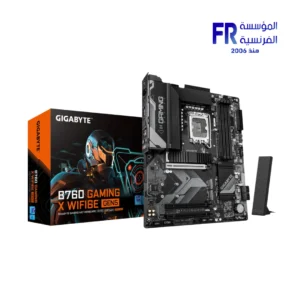 Gigabyte B760 Gaming X WIFI6E Gen5 Motherboard
1 × 8799 EGP
Gigabyte B760 Gaming X WIFI6E Gen5 Motherboard
1 × 8799 EGP -
×
 Western Digital Black SN7100 4TB M2 2280 PCIe Gen 4 Nvme Internal Solid State Drive SSD
1 × 23244 EGP
Western Digital Black SN7100 4TB M2 2280 PCIe Gen 4 Nvme Internal Solid State Drive SSD
1 × 23244 EGP -
×
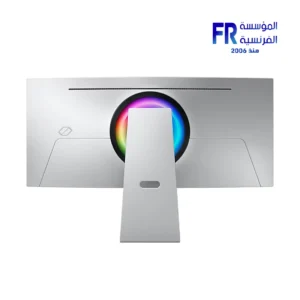
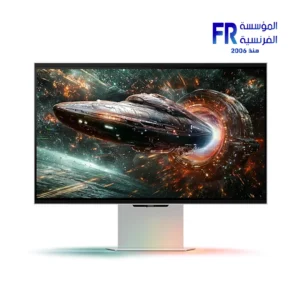
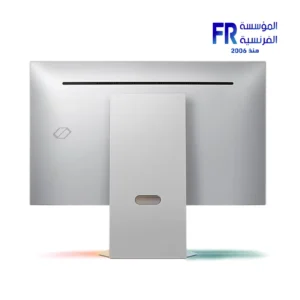
Samsung Odyssey G90XF 27 Inch 165Hz 1Ms 4K UHD IPS Glasses Free 3D G Sync Compatible Silver Gaming Monitor
1 × 59999 EGP
-
×
Msi Geforce RTX 5070 Shadow 3X 12Gb OC Graphic Card
1 × 32500 EGP
-
×
Gigabyte B760M Aorus Elite WIFI6E Gen5 LGA1700 Gaming Motherboard
1 × 9200 EGP
-
×
MSI MPG 321URX 31.5 Inch 240Hz 0.03ms UHD QD-OLED Flat G-Sync Compatible DisplayHDR True Black 400 90W PD Black Monitor
1 × 48999 EGP
-
×
AeroCool Phantom M 3 Reverse Argb White Fan
1 × 399 EGP
-
×
AMD Ryzen 7 8700F Tray Processor
1 × 7900 EGP
-
×
Gigabyte B850 Aorus Stealth with Wifi 7 Ice Motherboard
1 × 14900 EGP
-
×
Western Digital Black SN8100 1TB M2 2280 PCIe Gen 5 Nvme Without Heatsink Internal Solid State Drive SSD
1 × 15142 EGP
-
×
Asus Prime B850M A WIFI AM5 DDR5 Motherboard
1 × 9000 EGP
-
×
Asus VA VA34VCPSR 34 Inch 100Hz 4ms UWQHD VA Curve 1500R Adaptive Sync HDR10 With Speakers Monitor
1 × 21500 EGP
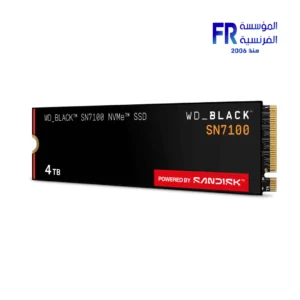 Western Digital Black SN7100 4TB M2 2280 PCIe Gen 4 Nvme Internal Solid State Drive SSD
 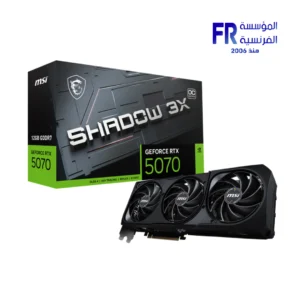 Msi Geforce RTX 5070 Shadow 3X 12Gb OC Graphic Card
 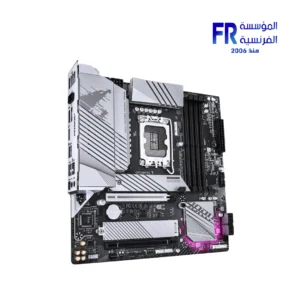 Gigabyte B760M Aorus Elite WIFI6E Gen5 LGA1700 Gaming Motherboard
 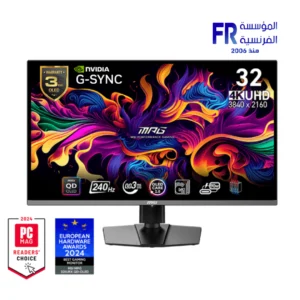 MSI MPG 321URX 31.5 Inch 240Hz 0.03ms UHD QD-OLED Flat G-Sync Compatible DisplayHDR True Black 400 90W PD Black Monitor
  AeroCool Phantom M 3 Reverse Argb White Fan
  AMD Ryzen 7 8700F Tray Processor
 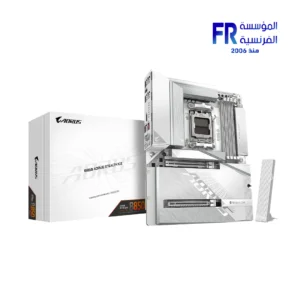 Gigabyte B850 Aorus Stealth with Wifi 7 Ice Motherboard
 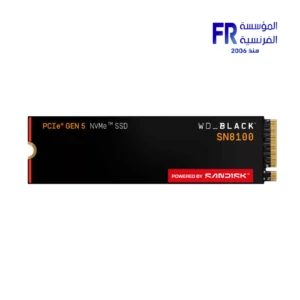 Western Digital Black SN8100 1TB M2 2280 PCIe Gen 5 Nvme Without Heatsink Internal Solid State Drive SSD
 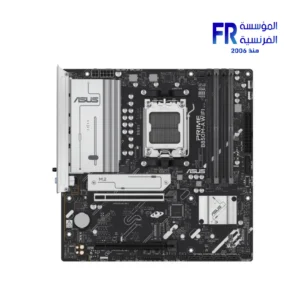 Asus Prime B850M A WIFI AM5 DDR5 Motherboard
 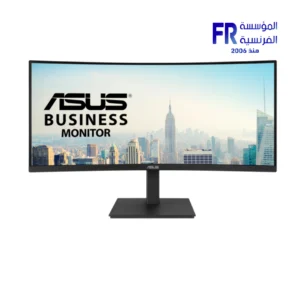 Asus VA VA34VCPSR 34 Inch 100Hz 4ms UWQHD VA Curve 1500R Adaptive Sync HDR10 With Speakers Monitor
Computer monitors are essential for any computer system. They provide the visual output for all of your applications and games. When choosing a computer monitor, there are a few key factors to consider, such as screen size, resolution, refresh rate, and panel type.
Screen Size
Screen size is measured diagonally from one corner of the monitor to the other. Common screen sizes for computer monitors range from 21 inches to 34 inches or more. The best screen size for you will depend on your personal preference and the type of work you do. If you need a lot of screen real estate for multitasking or working with multiple applications, you may want to consider a larger monitor. If you’re short on space or only use your computer for basic tasks, a smaller monitor may be sufficient.
21inch monitor
Resolution
Resolution refers to the number of pixels on a monitor. The higher the resolution, the sharper and more detailed the image will be. Common resolutions for computer monitors range from 1920×1080 (Full HD) to 3840×2160 (4K). If you’re planning on using your monitor for gaming or watching high-definition videos, you’ll want to choose a monitor with a high resolution.
1920×1080 monitor
Refresh Rate
Refresh rate is the number of times per second that the monitor updates the image on the screen. A higher refresh rate will result in a smoother and more fluid image. Common refresh rates for computer monitors range from 60Hz to 240Hz or more. If you’re a gamer or use your computer for other graphics-intensive tasks, you’ll want to choose a monitor with a high refresh rate.
240Hz monitor
Panel Type
There are two main types of monitor panels: TN and IPS. TN panels are less expensive and offer faster response times, but they have narrower viewing angles and less accurate colors. IPS panels are more expensive, but they offer wider viewing angles and more accurate colors.
IPS panel monitor
Other factors to consider when choosing a computer monitor include:
Brightness: Brightness is measured in nits. A higher brightness rating means that the monitor can display a brighter image. This is important if you plan on using your monitor in a brightly lit environment.
Contrast Ratio: Contrast ratio is the difference between the brightest and darkest colors that a monitor can display. A higher contrast ratio means that the monitor can produce more vibrant and realistic images.
Response Time: Response time is the amount of time it takes for a pixel to change from one color to another. A lower response time means that the monitor can produce sharper and more fluid images, especially in fast-paced games.
Viewing Angle: Viewing angle is the angle at which you can view the monitor without the image becoming distorted or washed out. A wider viewing angle means that you can view the monitor from a wider range of angles without sacrificing image quality.
Connectivity: Most computer monitors have an HDMI or DisplayPort connector. Some monitors also have additional connectors, such as DVI or VGA. Make sure that the monitor you choose has the connectors that you need.
Once you’ve considered all of these factors, you can start shopping for a computer monitor. Be sure to read reviews and compare prices before you buy.
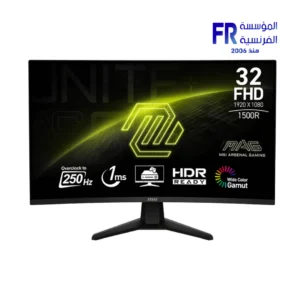


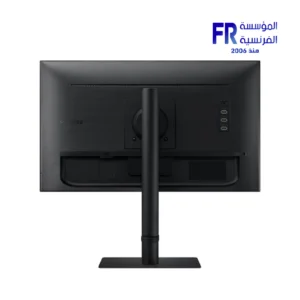
-17%
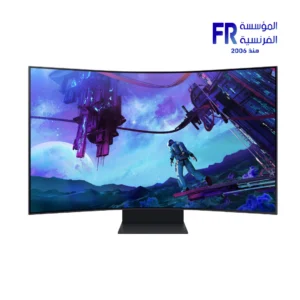

Original price was: 99999 EGP.82700 EGPCurrent price is: 82700 EGP.

-8%


Original price was: 129999 EGP.119999 EGPCurrent price is: 119999 EGP.
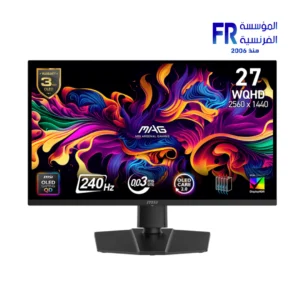
HOT
Out of stock
Out of stock
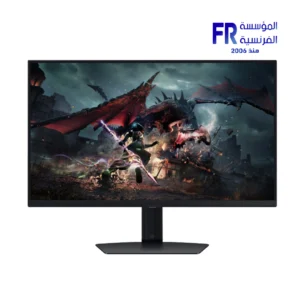
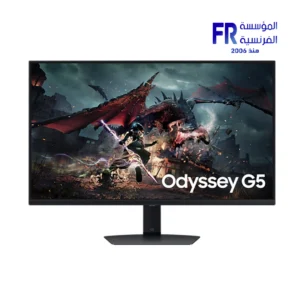
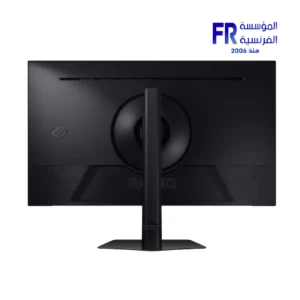
-5%
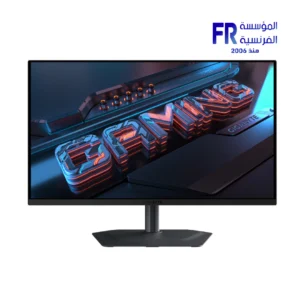
Original price was: 28500 EGP.26999 EGPCurrent price is: 26999 EGP.
-5%
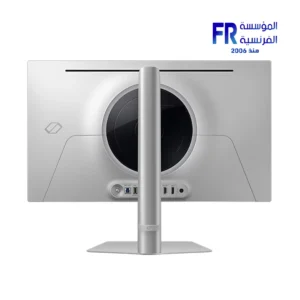
Original price was: 31500 EGP.29900 EGPCurrent price is: 29900 EGP.
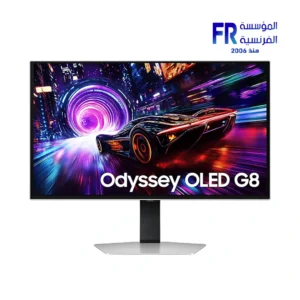
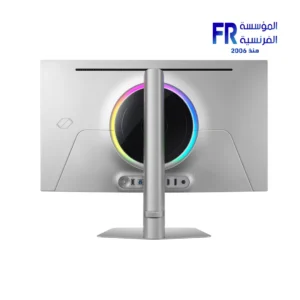
-5%
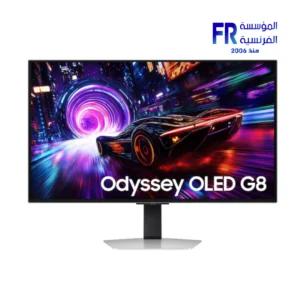
Original price was: 48999 EGP.46666 EGPCurrent price is: 46666 EGP.
-10%
Original price was: 66666 EGP.59999 EGPCurrent price is: 59999 EGP.