


When the CEO of one of the world’s biggest AI companies argues that personal computers are an inefficient place for scarce memory, the debate goes beyond RAM prices. It touches on who should own computing capacity, where AI should run, and whose definition of efficiency should guide the future of PCs.
In an interview published on 29 October 2026 on Cheeky Pint, hosted by Stripe co-founder John Collison, OpenAI CEO Sam Altman questioned the assumption that open models running on personal computers could reduce the need for large AI data centers. His argument: memory installed in millions of individual computers may sit underused for much of the day, while centralized cloud infrastructure can pool resources across many users.
The remark was later highlighted by Tom’s Hardware in an article published on 30 October. The headline was provocative, but the underlying question deserves a more careful look: is centralized computing always the better use of hardware?
What did Sam Altman actually say?
Altman was discussing local AI inference: running an AI model on a computer owned by the user, rather than sending every request to a remote data center. He argued that, from a global resource-allocation perspective, keeping large amounts of DRAM in personal computers that are used only occasionally is inefficient. He said cloud infrastructure should aim for higher utilization when memory supply is constrained.
That is an argument about aggregate resource utilization—not a technical claim that PCs do not need RAM, that local AI cannot work, or that every data center is continuously busy. The often-repeated “5%” figure was Altman’s estimate in the conversation; the published transcript does not provide a measurement method or supporting dataset for it.
The strongest part of the argument: pooling can improve utilization
Cloud data centers can share large pools of compute and memory across many customers. Workloads can be scheduled, consolidated and scaled according to demand. For services with many users and variable workloads, this can make expensive accelerators and high-capacity memory more productive than duplicating equivalent resources across millions of separate machines.
There is a genuine supply-side issue behind the discussion. IDC’s 2026 analysis says AI demand is shifting semiconductor capacity toward high-bandwidth memory (HBM), and forecasts tight memory supply extending beyond 2027. The International Energy Agency also reports that data-center electricity demand rose sharply in 2025 and that grid access, transformers and advanced chips are becoming constraints on expansion. These reports support the broader point that AI infrastructure faces real resource limits, although they do not prove that one particular consumer DIMM was diverted to a specific AI data center. IDC memory and infrastructure analysis · IEA data-center energy update.
But it is important not to treat all memory as interchangeable. HBM used alongside AI accelerators, server DRAM and the DDR memory installed in a gaming PC are different products with different specifications and production constraints. They are connected through the wider semiconductor manufacturing ecosystem, but a data center buying HBM does not mean it is directly taking the exact same DIMM that would otherwise be sold for a desktop.
What the argument leaves out
1. A PC is not a single-purpose AI appliance
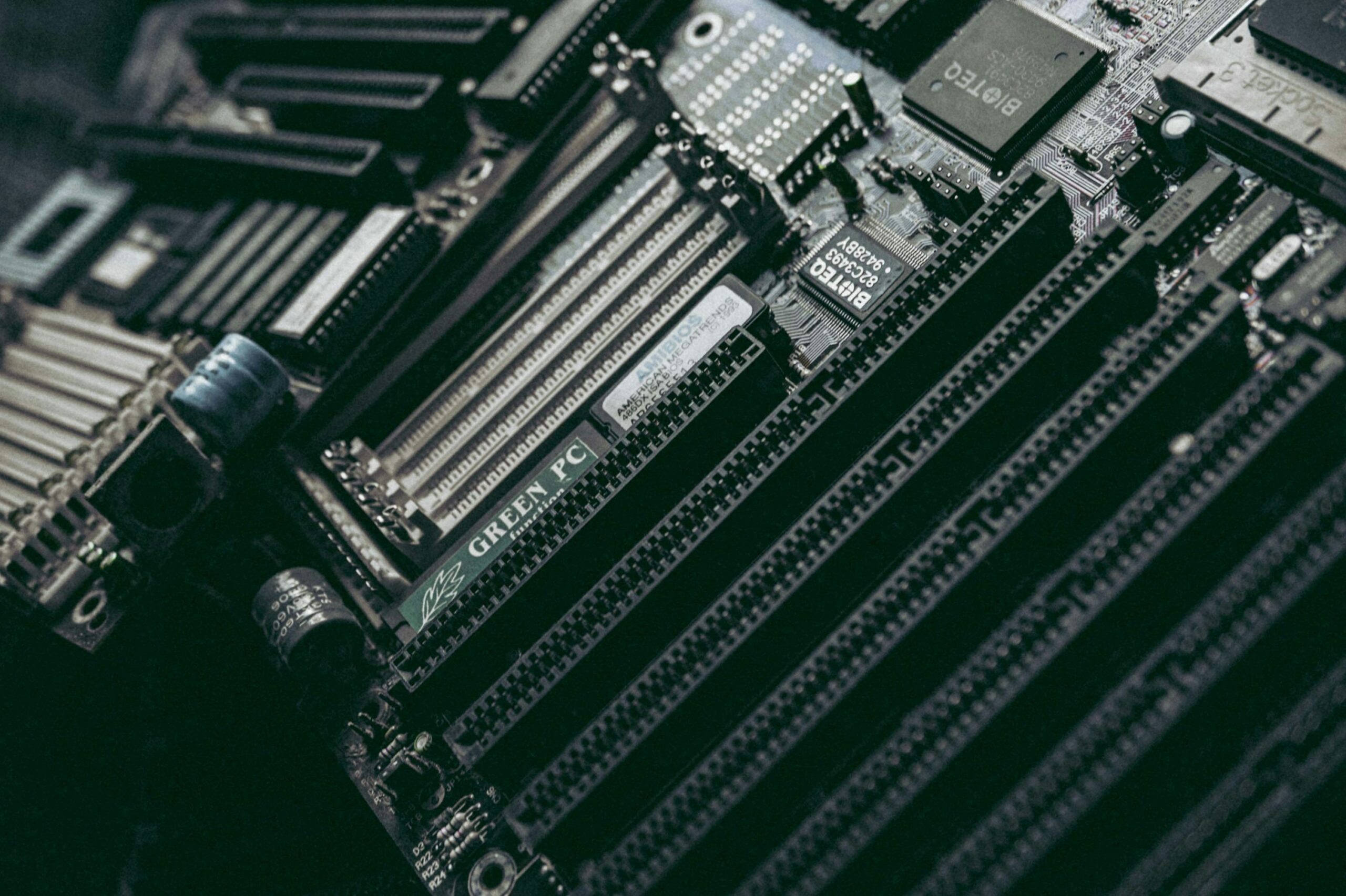
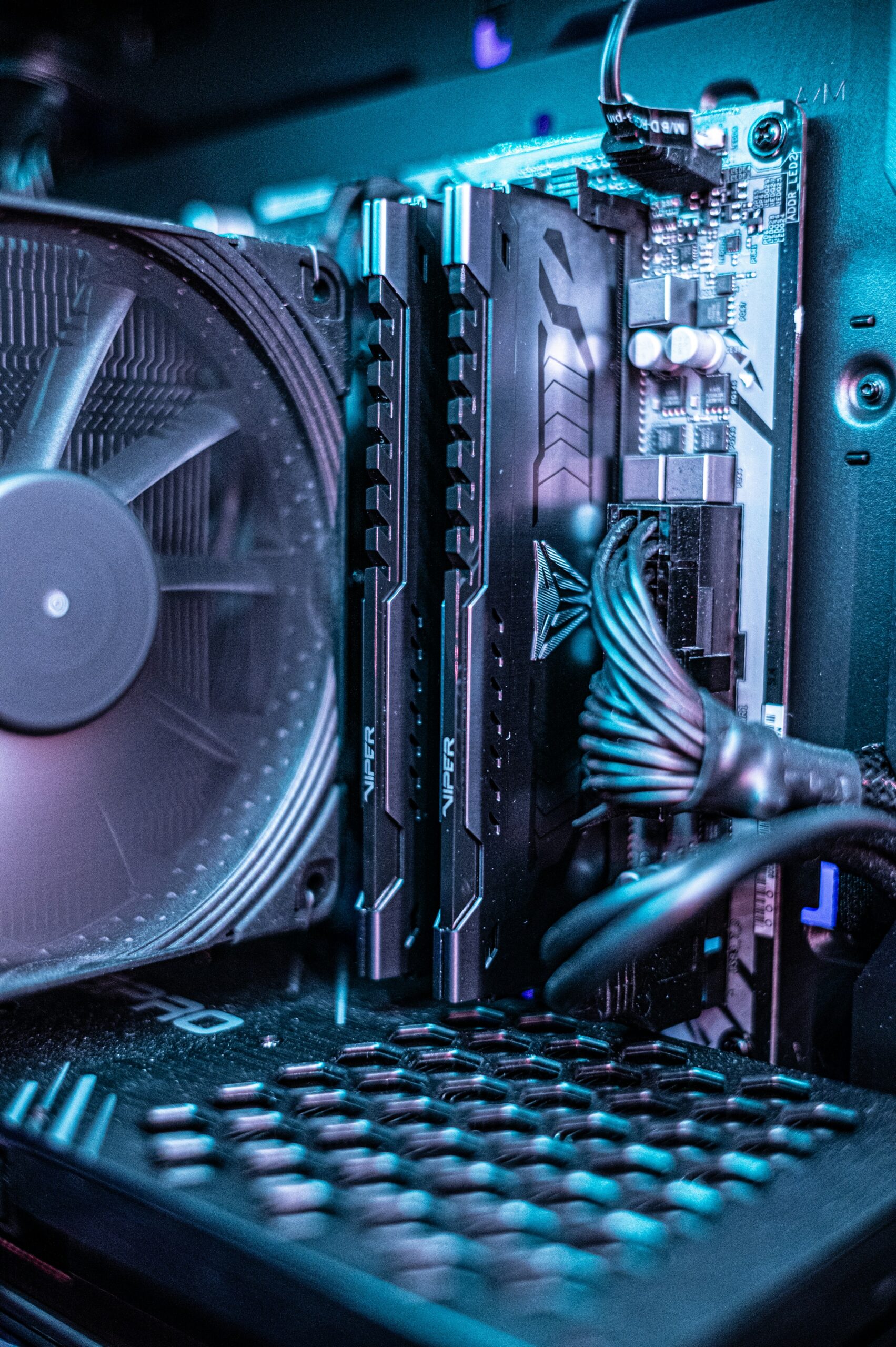
System RAM supports the operating system, games, creative applications, development tools, browsers, virtual machines and many other workloads. Measuring its value only by how often it is actively occupied by an AI model misses the reason people buy memory in the first place: a responsive, capable computer that is available when they need it.
2. Local AI has benefits that utilization percentages do not capture
Running inference locally can reduce dependence on an internet connection, avoid sending some data to a remote service, lower network round trips and give users more control over model choice and software. Microsoft’s Windows developer guidance and Google Cloud’s explanation of inference both describe these edge-computing advantages. They do not mean every local model is faster, more capable or cheaper; the result depends on model size, hardware, power use and the task.
3. Cloud capacity is not automatically busy all the time
Centralization makes sharing possible, but it does not guarantee perfect utilization. The U.S. Department of Energy’s 2025 data-center energy report notes that inference demand is shaped by user behavior and peak periods. Operators may need to provision capacity for busy moments, leaving some resources less utilized outside those peaks. The report also says reliable public measurements of typical AI inference utilization remain limited.
IDC’s 2026 analysis makes the picture more nuanced: shortages in power, data-center facilities and memory can coexist with underused capacity elsewhere because infrastructure is not always available in the right place, at the right time, or in the right configuration. IDC also expects a more distributed market, combining on-device processing, private and sovereign clouds, AI factories and public cloud services. This is not proof that every data center is underused; it shows why “centralized” and “efficient” should not be treated as synonyms. Read IDC’s analysis.
4. Efficiency for whom?
There are several different definitions of efficiency: cost per AI response, performance per watt, memory utilization, user privacy, network use, resilience, consumer choice and long-term ownership. A cloud operator may optimize for cost per token across millions of requests. A gamer, designer, student or developer may value a machine that can work offline, run local tools and remain useful without a subscription.
There is also a conflict-of-interest question
OpenAI operates major cloud-based AI services, so a world in which more AI workloads run in centralized infrastructure is commercially relevant to its business. That does not prove Altman’s technical argument is wrong or that he made it in bad faith. It does mean the audience should distinguish an industry leader’s strategic viewpoint from an independent, neutral assessment of the best allocation of global memory.
The same scrutiny should apply to hardware vendors, cloud providers and advocates of local AI. Each has incentives that shape which benefits they emphasize.
So, should people stop buying RAM for their PCs?
No such conclusion follows from this interview. RAM should be selected according to the real workload and the expected useful life of the computer—not according to a general claim that memory is wasted whenever it is not continuously active. Gaming, content creation, software development and multitasking can all benefit from sufficient system memory, even when no AI model is running.
Likewise, local AI should not be presented as a universal replacement for cloud AI. Smaller models running locally can be useful for selected tasks, while large or demanding workloads may still need remote infrastructure. A hybrid approach—local processing where privacy, latency or offline access matter, and cloud processing where scale or model capability is essential—may be more practical than insisting on one architecture for everything.
Frequently asked questions
Did Sam Altman say people should not have RAM in their PCs?
No. He argued that, during a constrained memory-supply period, pooled cloud infrastructure may achieve higher aggregate utilization. He did not say that personal computers do not need RAM.
Is local AI better than cloud AI?
Neither is universally better. Local AI can offer privacy, offline access and low-latency responses for supported tasks. Cloud AI can offer larger models and shared infrastructure at scale. The right choice depends on the workload and user priorities.
Does AI data-center demand affect PC memory prices?
It can contribute to pressure across the memory supply chain, especially as manufacturers allocate capacity to HBM and server products. Prices also depend on production capacity, product mix, inventories and broader market conditions.
What is the most realistic future: local or cloud AI?
A hybrid model is a credible direction: local processing for suitable private or responsive tasks, with cloud infrastructure for workloads that need larger models or pooled capacity.
The questions worth asking
- If the “5%” figure is an estimate, what measurement and workload assumptions support it?
- How should we compare local and cloud efficiency: memory occupancy, useful work completed, energy per task, cost, privacy, or a combination?
- What are the actual utilization rates of AI inference servers across peak and off-peak periods—and how much of that data is independently available?
- How much of the consumer memory shortage is caused by HBM and server demand, and how much by production capacity, product mix and supplier decisions?
- If centralized AI is the most efficient model, what safeguards preserve user choice, data control, competition and access to capable personal computers?
- Could a hybrid ecosystem deliver the benefits of shared cloud infrastructure without making local computing an afterthought?
Image credits
Featured data-center photo: Brett Sayles via Pexels, original photo, Pexels License (free to use).
Sources
- Cheeky Pint — Original interview transcript, “Why Sam Altman is against a single superintelligence” (29 October 2026). The primary source for the discussion and wording.
https://cheekypint.transistor.fm/39/transcript - Tom’s Hardware — Andrew E. Freedman, “OpenAI CEO says it’s ‘quite terrible’ for your PC to have RAM” (30 October 2026). The report that brought the remark to wider attention.
https://www.tomshardware.com/tech-industry/data-centers/openai-ceo-says-its-quite-terrible-for-your-pc-to-have-ram-sam-altman-says-data-centers-offer-better-utilization - IDC — “AI Is Short of Capacity, Not Demand” (2026). Explains how memory, power and facility bottlenecks can coexist with capacity mismatches, and why AI infrastructure is likely to be distributed across cloud, private and edge environments.
https://www.idc.com/resource-center/blog/ai-is-short-of-capacity-not-demand/ - International Energy Agency — “Data centre electricity use surged in 2025” (16 April 2026). Independent context on data-center energy demand and physical infrastructure constraints.
https://www.iea.org/news/data-centre-electricity-use-surged-in-2025-even-with-tightening-bottlenecks-driving-a-scramble-for-solutions - U.S. Department of Energy / Lawrence Berkeley National Laboratory — “United States Data Center Energy Usage Report: 2025 Update.” Explains the uncertainty and peak-demand characteristics of AI inference utilization.
https://escholarship.org/uc/item/33m6w3x0 - Microsoft — Build with local AI on Windows. Explains on-device privacy, responsiveness and offline-use considerations.
https://developer.microsoft.com/en-us/windows/local-ai - Google Cloud — “What is AI inference?” Compares cloud and edge inference use cases and trade-offs.
https://cloud.google.com/discover/what-is-ai-inference - Cast AI — “2026 State of Kubernetes Optimization.” A vendor-produced analysis of resource utilization in Kubernetes clusters; useful context, not a census of all AI data centers.
https://cast.ai/blog/2026-state-of-kubernetes-resource-optimization-cpu-at-8-memory-at-20-and-getting-worse/
Editorial note: This article distinguishes the interviewee’s opinion, independently reported market context and Alfrensia’s analysis. It does not claim that all data centers are fully utilized or that local AI is always more efficient.
المؤسسة الفرنسية للكمبيوتر | Alfrensia
alfrensia.com
لما رئيس واحدة من أكبر شركات الذكاء الاصطناعي يقول إن وجود ذاكرة RAM في أجهزة المستخدمين مش أفضل استخدام للموارد، فالنقاش هنا أكبر من أسعار الرامات. إحنا بنتكلم عن مين المفروض يمتلك القدرة الحاسوبية، والذكاء الاصطناعي يشتغل فين، ومين اللي بيحدد معنى «الكفاءة» في مستقبل الكمبيوتر.
في مقابلة نُشرت يوم 29 أكتوبر 2026 ضمن برنامج Cheeky Pint الذي يقدمه جون كوليسون، الشريك المؤسس لشركة Stripe، ناقش سام ألتمان، الرئيس التنفيذي لـ OpenAI، فكرة تشغيل نماذج الذكاء الاصطناعي محليًا على أجهزة المستخدمين. وطرح وجهة نظر مفادها إن وجود كميات كبيرة من DRAM داخل ملايين الأجهزة الشخصية، مع استخدامها بشكل متقطع، قد يكون أقل كفاءة من تجميع الموارد في مراكز بيانات سحابية تخدم عددًا كبيرًا من المستخدمين.
موقع Tom’s Hardware سلط الضوء على التصريح في تقرير نُشر يوم 30 أكتوبر. العنوان كان لافتًا، لكن السؤال الحقيقي يستحق نقاشًا أهدأ: هل الحوسبة المركزية هي دائمًا الاستخدام الأفضل للموارد؟
سام ألتمان قال إيه بالضبط؟
ألتمان كان بيتكلم عن مفهوم اسمه Local AI Inference، يعني تشغيل نموذج الذكاء الاصطناعي على جهاز المستخدم نفسه بدل إرسال كل طلب إلى سيرفر بعيد داخل Data Center.
وجهة نظره إن تجميع الذاكرة والقدرة الحاسوبية في مراكز البيانات يسمح بمشاركة الموارد وجدولة استخدامها على نطاق واسع، بدل ما تكون الذاكرة موزعة على أجهزة كتير ومش مستخدمة طول الوقت. لكنه كان بيتكلم عن تخصيص الموارد على مستوى عالمي، مش بيقول إن الكمبيوتر الشخصي مش محتاج RAM أو إن تشغيل الذكاء الاصطناعي محليًا مستحيل.
كمان رقم «5%» اللي اتكرر في التغطيات هو تقدير ذكره ألتمان أثناء الحوار؛ نص المقابلة المنشور لا يقدم طريقة قياس أو دراسة تثبت إن ده متوسط استخدام ذاكرة أجهزة الناس.
فين قوة وجهة نظره؟
في مراكز البيانات، ممكن مشاركة موارد الحوسبة والذاكرة بين عملاء كتير، وجدولة الأحمال حسب الطلب، وتوسيع القدرة وقت الحاجة. وده ممكن يخلي استخدام العتاد المكلف أكثر كفاءة في الخدمات اللي عندها أعداد كبيرة من المستخدمين وطلبات متغيرة.
فيه بالفعل ضغط على سلسلة التوريد. تحليل IDC لعام 2026 بيشير إلى إن طلب الذكاء الاصطناعي بيحوّل جزءًا من الطاقة التصنيعية لأشباه الموصلات ناحية ذاكرة HBM، ويتوقع استمرار ضيق المعروض لفترة ممتدة بعد 2027. والوكالة الدولية للطاقة بتقول إن استهلاك الكهرباء في مراكز البيانات ارتفع بقوة خلال 2025، وإن الوصول للشبكة والمحولات والشرائح المتقدمة بقت قيودًا على التوسع. التقارير دي بتدعم وجود ضغط حقيقي على الموارد، لكنها مش بتثبت إن وحدة RAM معينة كانت مخصصة لمستهلك واتحوّلت مباشرة إلى مركز بيانات بعينه. تحليل IDC للذاكرة والبنية التحتية · تحديث وكالة الطاقة الدولية.
لكن لازم نفرّق بين أنواع الذاكرة. ذاكرة HBM المستخدمة بجانب مسرّعات الذكاء الاصطناعي مش هي نفسها وحدات DDR اللي بتركب في جهاز Gaming PC. المنتجات دي مختلفة في التصميم والمواصفات وخطوط الإنتاج، رغم إنها مرتبطة بمنظومة تصنيع أشباه الموصلات نفسها. بالتالي، مش دقيق نقول إن كل HBM بتتباع لمراكز البيانات معناها إن نفس قطعة RAM اللي كانت هتتباع للمستهلك اتسحبت منه مباشرة.
إيه اللي التصريح ما أخدش باله منه؟
1. الكمبيوتر مش جهاز مخصص للذكاء الاصطناعي فقط
الـ RAM بتخدم نظام التشغيل والألعاب وبرامج التصميم والمونتاج والبرمجة والمتصفح والـ Virtual Machines ومهام كتير. تقييم قيمتها فقط على أساس إنها بتشتغل على نموذج AI طول الوقت بيتجاهل الغرض الأساسي من امتلاك جهاز قوي: إنه يكون جاهز وسريع لما صاحبه يحتاجه.
2. تشغيل AI محليًا له مزايا مش بتظهر في نسبة الاستخدام
تشغيل النموذج محليًا ممكن يقلل الاعتماد على الإنترنت، ويحد من إرسال بعض البيانات لخدمة خارجية، ويقلل زمن الاتصال بالشبكة، ويدي المستخدم تحكم أكبر في اختيار النموذج والبرامج. مايكروسوفت وجوجل بيشرحوا المزايا دي ضمن مفهوم Edge أو On-device AI. وده مش معناه إن كل نموذج محلي أسرع أو أقوى أو أرخص؛ النتيجة بتعتمد على حجم النموذج والعتاد واستهلاك الطاقة وطبيعة المهمة.
3. وجود السيرفر في Data Center مش معناه إنه شغال بكامل طاقته طول الوقت
تجميع الموارد بيسهّل مشاركتها، لكنه مش ضمان للاستخدام المثالي. تقرير وزارة الطاقة الأمريكية عن استهلاك الطاقة في مراكز البيانات لعام 2025 بيشير إلى إن طلبات AI Inference مرتبطة بسلوك المستخدمين وفترات الذروة، وإن الشركات ممكن تضطر توفر قدرة تكفي أوقات الضغط، حتى لو الاستخدام بيقل خارج الأوقات دي. التقرير كمان بيؤكد إن البيانات العامة الموثوقة عن متوسط استخدام سيرفرات AI Inference ما زالت محدودة.
تحليل IDC لعام 2026 بيقدم صورة أكثر تعقيدًا: نقص الكهرباء ومساحات مراكز البيانات والذاكرة ممكن يتزامن مع وجود طاقة غير مستغلة في أماكن تانية، لأن البنية التحتية مش دايمًا متاحة في المكان والوقت والتكوين المناسب. وتتوقع IDC سوقًا أكثر توزيعًا يجمع بين المعالجة على الجهاز، والسحابات الخاصة والسيادية، ومراكز AI المتخصصة، والخدمات السحابية العامة. ده مش دليل إن كل مراكز البيانات عندها موارد غير مستغلة؛ لكنه يوضح ليه ما ينفعش نعتبر «مركزي» مرادفًا تلقائيًا لـ«أكفأ». اقرأ تحليل IDC.
4. الكفاءة لمصلحة مين؟
فيه أكتر من تعريف للكفاءة: تكلفة كل إجابة AI، الأداء مقابل استهلاك الكهرباء، استخدام الذاكرة، الخصوصية، استهلاك الإنترنت، الاعتمادية، حرية الاختيار، وملكية المستخدم لجهازه. شركة Cloud ممكن تركز على تقليل تكلفة كل Token عبر ملايين الطلبات، بينما لاعب أو مصمم أو طالب أو مطور ممكن يحتاج جهاز يشتغل من غير إنترنت ويشغّل أدوات محلية من غير اشتراك.
وهل فيه تضارب مصالح محتمل؟
OpenAI بتقدم خدمات ذكاء اصطناعي كبيرة قائمة على البنية السحابية، وبالتالي زيادة تشغيل أحمال AI على مراكز البيانات لها أهمية تجارية واضحة بالنسبة لنموذج عملها. ده مش دليل إن حجة ألتمان التقنية غلط أو إن كلامه اتقال بسوء نية. لكنه سبب منطقي يخلي الجمهور يفرّق بين رؤية قائد شركة لها مصالح تجارية، وبين تقييم مستقل ومحايد لأفضل طريقة لتوزيع موارد الذاكرة عالميًا.
ونفس المعيار لازم يتطبق على شركات الهاردوير ومزودي الخدمات السحابية والمدافعين عن Local AI؛ كل طرف عنده مصالح بتأثر على المزايا اللي بيختار يبرزها.
هل معنى الكلام إننا نبطل نشتري RAM لأجهزتنا؟
لا، مفيش أي نتيجة منطقية في المقابلة بتوصل للاستنتاج ده. اختيار حجم RAM المفروض يعتمد على طبيعة استخدام الجهاز والعمر المتوقع ليه، مش على فكرة إن الذاكرة بتكون مهدرة لمجرد إنها مش مشغولة طول الوقت. الألعاب والتصميم والمونتاج والبرمجة وتعدد المهام كلها استخدامات ممكن تستفيد من ذاكرة كافية، حتى لو مفيش نموذج ذكاء اصطناعي شغال.
وفي المقابل، Local AI مش بديل كامل لكل خدمات Cloud AI. النماذج الأصغر ممكن تكون مناسبة لمهام محددة على الجهاز، بينما المهام الكبيرة أو المعقدة قد تحتاج بنية سحابية أقوى. الحل العملي ممكن يكون نظام هجين: المعالجة المحلية لما الخصوصية أو سرعة الاستجابة أو العمل دون إنترنت يكونوا مهمين، والسحابة لما نحتاج قدرة أكبر أو نموذج أقوى.
أسئلة شائعة
هل سام ألتمان قال إن الناس ماينفعش يكون عندها RAM في الكمبيوتر؟
لا. هو قال إن تجميع الذاكرة في السحابة ممكن يحقق استخدامًا إجماليًا أعلى وقت نقص المعروض. ما قالش إن الكمبيوتر الشخصي مش محتاج RAM.
هل Local AI أفضل من Cloud AI؟
مفيش اختيار أفضل في كل الحالات. الذكاء الاصطناعي المحلي ممكن يوفر خصوصية وتشغيلًا دون إنترنت واستجابة أسرع في المهام المدعومة. السحابة ممكن توفر نماذج أكبر وبنية مشتركة على نطاق واسع. الاختيار حسب المهمة وأولويات المستخدم.
هل طلب مراكز بيانات الذكاء الاصطناعي بيأثر على أسعار RAM للكمبيوتر؟
ممكن يساهم في الضغط على سلسلة توريد الذاكرة، خصوصًا مع توجيه طاقة إنتاجية ناحية HBM ومنتجات السيرفرات. لكن الأسعار بتتأثر كمان بالطاقة الإنتاجية ومزيج المنتجات والمخزون وظروف السوق.
إيه المستقبل الأقرب: الذكاء الاصطناعي المحلي ولا السحابي؟
النموذج الهجين اتجاه منطقي: معالجة محلية للمهام اللي تحتاج خصوصية أو استجابة سريعة، وسحابة للمهام اللي تحتاج نماذج أكبر أو موارد مشتركة.
أسئلة تستحق الإجابة
- لو نسبة «5%» مجرد تقدير، إيه طريقة القياس والافتراضات اللي اتبنى عليها الرقم؟
- إزاي نقارن الكفاءة بين المحلي والسحابي: نسبة إشغال الذاكرة، الطاقة لكل مهمة، التكلفة، الخصوصية، ولا كل ده مع بعض؟
- إيه معدلات الاستخدام الفعلية لسيرفرات AI Inference وقت الذروة وخارجها؟ وهل البيانات دي متاحة بشكل مستقل؟
- قد إيه من أزمة ذاكرة المستهلكين سببه الطلب على HBM وسيرفرات AI، وقد إيه سببه الطاقة الإنتاجية وتوزيع خطوط التصنيع وقرارات الموردين؟
- لو الحوسبة المركزية هي الأفضل، إيه الضمانات اللي تحافظ على حرية المستخدم وخصوصية بياناته والمنافسة وحقه في امتلاك جهاز قوي؟
- هل ممكن نوصل لنظام هجين يستفيد من قوة مراكز البيانات من غير ما يتحول الكمبيوتر الشخصي إلى مجرد جهاز تابع للسحابة؟
حقوق الصور
الصورة الرئيسية لمركز البيانات: تصوير Brett Sayles عبر Pexels، رابط الصورة الأصلية، وفق رخصة Pexels المجانية للاستخدام.
المصادر
- Cheeky Pint — نص المقابلة الأصلية، “Why Sam Altman is against a single superintelligence” (29 أكتوبر 2026). المصدر الأساسي للتصريح وسياق الحوار.
https://cheekypint.transistor.fm/39/transcript - Tom’s Hardware — Andrew E. Freedman، تقرير “OpenAI CEO says it’s ‘quite terrible’ for your PC to have RAM” (30 أكتوبر 2026). التقرير الذي سلط الضوء على التصريح.
الرابط الكامل للتقرير - IDC — تقرير “AI Is Short of Capacity, Not Demand” (2026). يشرح كيف يمكن أن يتزامن نقص الذاكرة والطاقة ومساحات مراكز البيانات مع عدم تطابق أماكن وتوقيتات توافر القدرة الحاسوبية، ولماذا يتجه السوق إلى بنية موزعة بين السحابة والقطاع الخاص والمعالجة الطرفية.
الرابط الكامل - الوكالة الدولية للطاقة — “Data centre electricity use surged in 2025” (16 أبريل 2026). خلفية مستقلة عن نمو استهلاك الطاقة والقيود المادية على توسع مراكز البيانات.
الرابط الكامل - وزارة الطاقة الأمريكية / Lawrence Berkeley National Laboratory — تقرير استهلاك الطاقة في مراكز البيانات لعام 2025. يشرح تحديات قياس استخدام موارد AI Inference وتأثير أوقات الذروة.
الرابط الكامل - Microsoft — تطوير تطبيقات الذكاء الاصطناعي المحلي على Windows. مزايا الخصوصية والاستجابة والعمل دون اتصال.
الرابط الكامل - Google Cloud — شرح مفهوم AI Inference. مقارنة بين المعالجة السحابية والمعالجة الطرفية المحلية.
الرابط الكامل - Cast AI — تقرير تحسين موارد Kubernetes لعام 2026. تحليل تجاري لاستخدام الموارد داخل مجموعات Kubernetes، وليس إحصاءً شاملًا لكل مراكز البيانات.
الرابط الكامل
ملاحظة تحريرية: المقال بيفصل بين رأي المتحدث، والمعلومات السوقية المنشورة، وتحليل المؤسسة الفرنسية للكمبيوتر. ولا يدّعي إن كل مراكز البيانات تعمل بكامل طاقتها أو إن Local AI أكثر كفاءة في كل الحالات.
المؤسسة الفرنسية للكمبيوتر | Alfrensia
alfrensia.com