

ALFRENSIA TECHNOLOGY NEWSROOM · 12 NOVEMBER 2026
Microsoft’s Idle-GPU AI Patent Granted: What It Actually Proposes for Gaming PCs
A U.S. patent granted to Microsoft on 10 November 2026 describes splitting AI training into smaller jobs and assigning them to spare compute capacity on personal devices. The grant confirms a patented proposal—not an announced rewards programme or a shipped service.
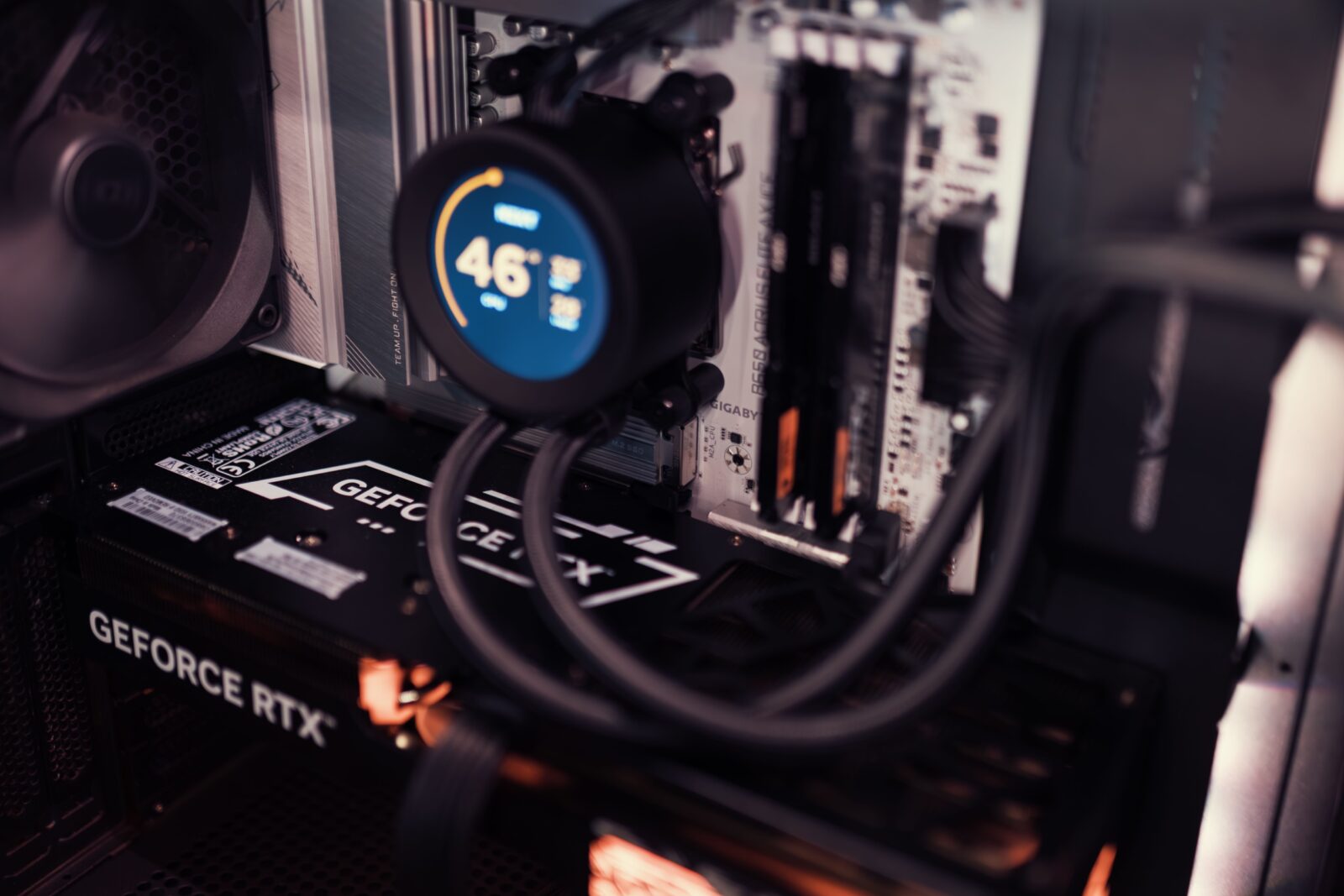
A Microsoft Technology Licensing patent granted on 10 November 2026 describes a way to use spare GPU capacity on edge devices—including gaming PCs, laptops and other personal hardware—for small parts of AI model training. The underlying application was published on 5 November 2026 as US 2026/0349820 A1; the grant is US 12,792,414 B2. A granted patent still does not mean Microsoft has launched a service or promised payments to GPU owners.
What is the document?
The granted patent is US 12,792,414 B2 and is titled Opportunistic Micro-training on Edge Devices Using Spare GPU Utilization. Its underlying application (No. 19/195,047) was filed on 30 April 2025 by Microsoft Technology Licensing, LLC and published by the U.S. Patent and Trademark Office on 5 November 2026 as US 2026/0349820 A1. The USPTO Patent Gazette records the grant on 10 November 2026.
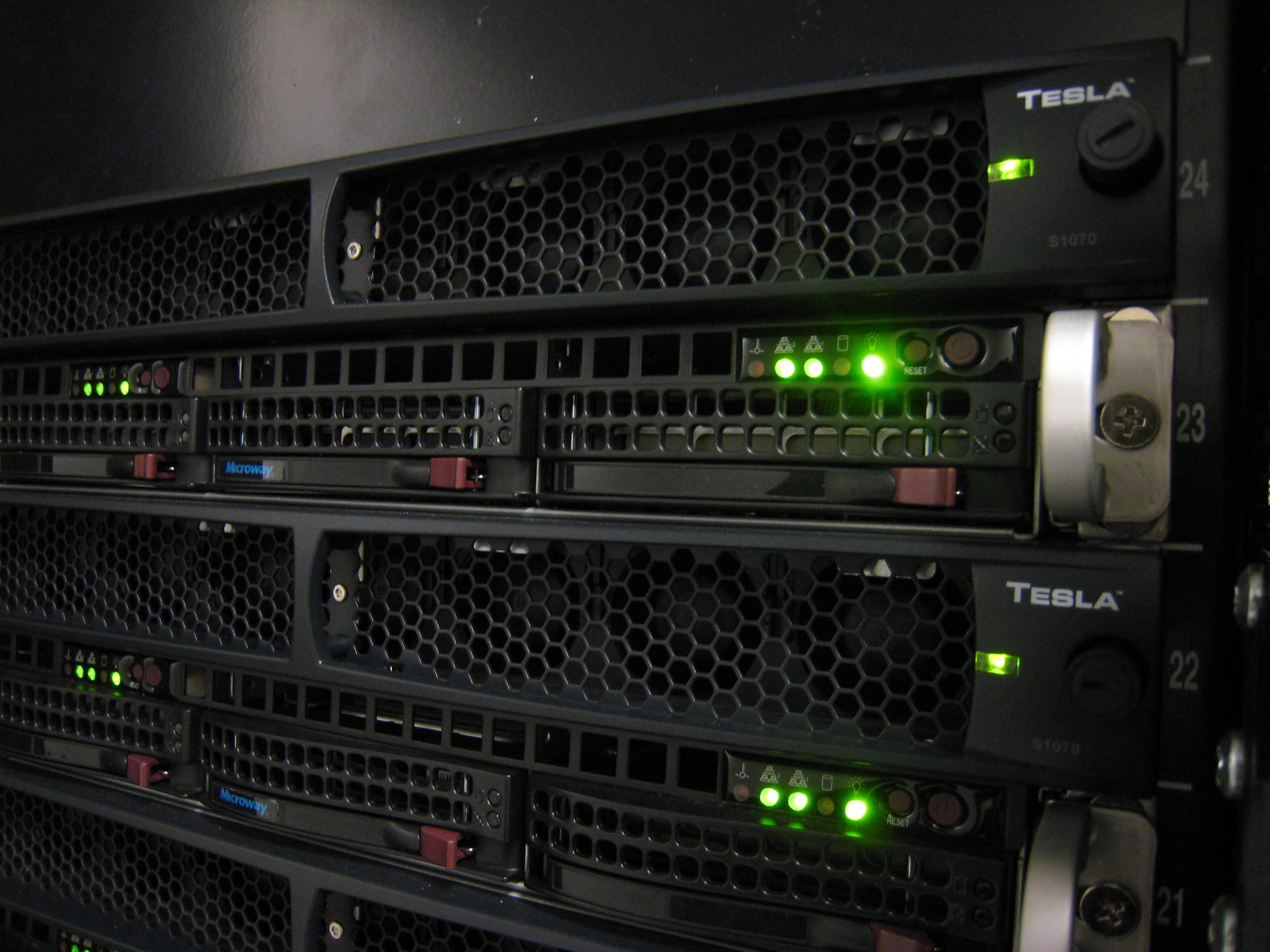
The filing describes a distributed training system. Instead of assigning an entire large training job to one data-centre cluster, the system can break work into smaller micro-tasks, find suitable split points in the model’s dependency structure, send those tasks to devices with spare compute capacity, and collect and evaluate the results.
How could the proposed system work?
1. Detect spare capacity
The system monitors participating devices to estimate available processing resources rather than assuming every connected PC is idle.
2. Divide the training work
Large jobs are decomposed into smaller tasks. The filing discusses factors such as model dependencies, communication cost, memory overhead and data locality.
3. Distribute and collect
Suitable tasks are sent to edge devices. The system receives results and evaluates them before they contribute to the larger training process.
4. Account for reliability
The filing describes ways to assess results and device reliability, because remote devices can disconnect, run slowly or return incorrect work.
Would gamers be paid for lending their GPU?
The patent description mentions possible forms of compensation in some examples, including credits, software or money. That is not the same as a confirmed Microsoft offer. The filing does not announce a consumer app, payment rates, a list of supported graphics cards, a launch date or availability in Egypt.
It is also important not to treat the word “patent” as proof that a product is on the way. Companies publish and pursue technical ideas for many reasons; some are never developed into services. The published A1 document and the later patent grant describe the protected technical proposal, not a decision by Microsoft to ship a consumer product or service.
What questions would PC owners need answered?
If a service based on this idea ever appears, owners would need clear answers about consent, the type of data processed, privacy, network use, electricity cost, heat, fan noise, GPU workload and how the software pauses when a person starts using the PC. The patent discusses resource monitoring and task scheduling, but it does not provide real-world measurements showing the total cost or benefit for an ordinary gaming system.
For users in Egypt, electricity cost and local service availability would be part of the calculation. A theoretical credit or payment would not automatically make participation worthwhile if the device uses significant power, becomes noisier or is unavailable for normal work and gaming.
Should this affect your next GPU purchase?
Not at this stage. Do not buy a more expensive GPU, more VRAM or a larger power supply just because a patent describes a possible distributed-training model. Choose hardware for the applications you actually run today, and compare supported AI software, VRAM capacity, system memory, cooling, power and warranty.
Our local AI GPU guide explains how VRAM and model size affect local workloads. For broader industry context, see our article on AI chip packaging and GPU supply.
Alfrensia takeaway
Microsoft’s filing is a useful signal that the industry is exploring ways to use computing capacity outside traditional data centres. But it remains a published patent application, not a consumer service. Until Microsoft publishes official product details, GPU owners should treat compensation, supported hardware and availability as unknown.
Sources and further reading
- USPTO Official Gazette — US Patent 12,792,414 B2, granted 10 November 2026; prior publication US 2026/0349820 A1
- FourWeekMBA — analysis of the published application and its payment language, 10 November 2026
Editorial note: this article distinguishes the patent’s technical proposal from any future product, compensation plan or service availability.